


From Bland to Bold
Remember when “healthy snack” meant a dry rice cake or a handful of unsalted almonds? For decades, the wellness-focused snack category was defined more by what it lacked—fat, sugar, sodium—than what it offered. Flavor was an afterthought, a casualty of the quest
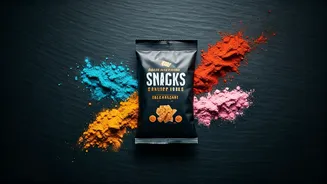
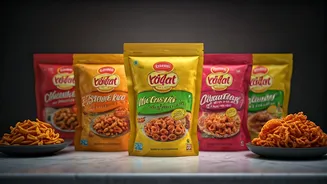
for clean labels and low calorie counts. The result was a landscape of virtuous but often boring options that felt more like a punishment than a treat. That era is decisively over. Today, brands are realizing that health-conscious consumers aren’t willing to sacrifice taste. In fact, they’re demanding more of it. This shift has opened the door for a new approach to flavor, one that moves beyond simple salt, pepper, or cheese dust. Brands are now looking to global flavor profiles to create snacks that are not only good for you but also genuinely exciting to eat.
The Turmeric Takeover
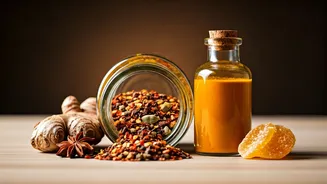
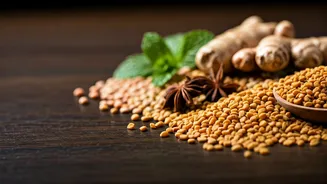
If there’s one spice that symbolizes this shift, it’s turmeric. With its brilliant golden hue and earthy, slightly bitter flavor, turmeric has become the poster child for the fusion of wellness and taste. Once relegated primarily to curry powders in the American kitchen, it’s now a star ingredient in everything from popcorn and chickpea puffs to protein bars and roasted nuts. Its popularity isn’t just about taste. Turmeric’s rise is intrinsically linked to the wellness boom. Celebrated for centuries in Ayurvedic traditions and widely publicized in the West for its anti-inflammatory properties (thanks to its active compound, curcumin), turmeric offers a “health halo” that snack brands are eager to leverage. For consumers, a turmeric-dusted snack doesn’t just taste interesting; it feels functional and beneficial, turning a simple indulgence into an act of self-care.
Beyond the Golden Spice
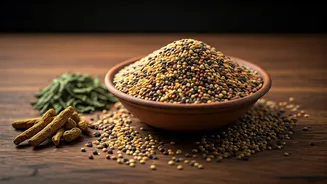
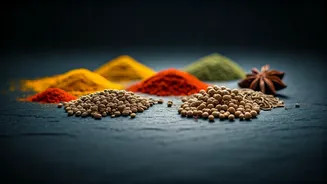
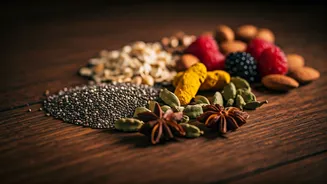
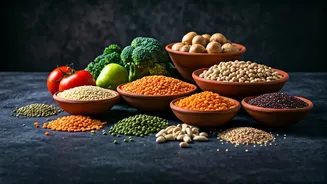
While turmeric may be the most visible, it’s far from the only Indian spice getting a mainstream makeover. Cardamom, with its complex sweet, floral, and spicy notes, is appearing in granola and nut mixes, offering a sophisticated alternative to cinnamon. Cumin’s smoky, savory depth is elevating veggie chips and roasted bean snacks, providing a satisfying richness without added fat. Meanwhile, coriander’s citrusy warmth and ginger’s pungent kick are being used to build complex, layered flavor profiles that make snacks feel less processed and more culinary. These spices work so well because they offer intensity and complexity. They can mimic the satisfying notes of savory foods (smokiness, earthiness) or provide a surprising warmth to sweet snacks. Brands like Hippeas (chickpea puffs) and Biena (chickpea snacks) have successfully used these flavor profiles to stand out in a crowded market, proving that legumes seasoned with a thoughtful spice blend can be just as crave-worthy as a classic potato chip.
Why Now? A Palate Revolution
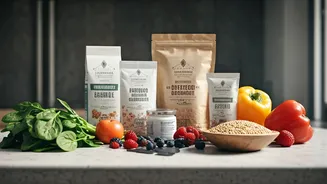
This trend isn’t happening in a vacuum. It’s the direct result of a maturing American palate. Decades of increased access to global cuisines, driven by immigration, travel, and food media, have made U.S. consumers more adventurous than ever. Flavors that were once considered “niche” or “exotic” are now familiar and sought after, especially among younger generations who grew up with a wider variety of food experiences. Snack companies, always attuned to consumer demand, are simply responding to this cultural shift. They recognize that the modern shopper is looking for authenticity and a story. Using spices with deep cultural roots in Indian and other South Asian cuisines provides that narrative. It also aligns perfectly with the move toward plant-based eating and clean labels, as spices are a natural, plant-derived way to deliver incredible flavor without artificial additives or excessive sodium.