



First, What Exactly Are Millets?
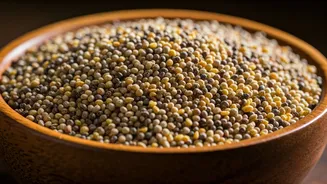
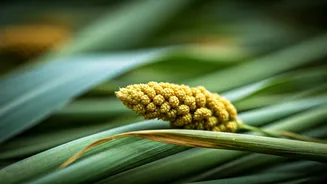
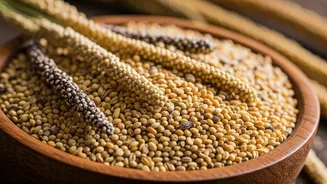
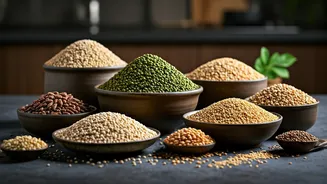
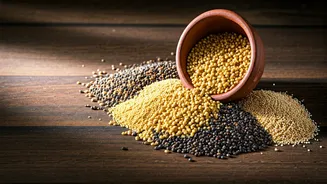
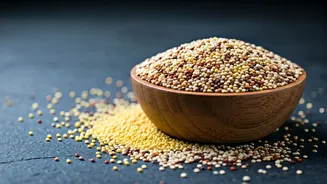
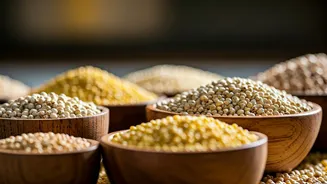
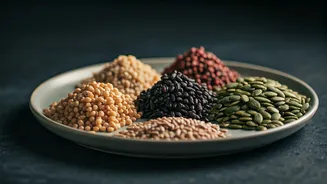
Before they were a trend, they were a staple. Millets aren’t a single grain but a group of small-seeded grasses that have been cultivated for thousands of years in Asia and Africa. Think of them as a diverse family, including varieties like pearl millet
(bajra), finger millet (ragi), sorghum (jowar), and foxtail millet. For centuries, these hardy grains were the backbone of the Indian diet, especially in arid regions where rice and wheat couldn't thrive. However, with the agricultural boom of the Green Revolution in the 1960s, which prioritized high-yield rice and wheat, millets were pushed to the background, often dismissed as “coarse grains” or food for the poor. Now, that perception is undergoing a dramatic and delicious reversal.
The Modern Health Halo
One of the biggest drivers of the millet revival is health. As wellness-conscious consumers in India—much like in the U.S.—seek out nutrient-dense foods, millets check all the right boxes. They are naturally gluten-free, making them an ideal choice for a growing population with gluten sensitivities. They are also packed with fiber, protein, vitamins, and minerals. Crucially, most millets have a low glycemic index, which means they release sugar into the bloodstream slowly, helping to manage blood sugar levels and providing sustained energy. This makes them particularly attractive for diabetics and anyone looking to avoid the energy crash that comes with more refined carbohydrates. They’re being marketed not as a compromise, but as a nutritional upgrade.
A Government-Backed Comeback
This isn't just a grassroots consumer movement; it's a top-down agricultural priority. The Indian government has been actively promoting millets as a solution to several national challenges, including food security, water scarcity, and farmer welfare. Recognizing their potential, India championed a proposal at the United Nations that led to 2023 being declared the “International Year of Millets.” This campaign has sparked widespread awareness, encouraging both farmers to grow them and consumers to eat them. Subsidies, public information campaigns, and even the introduction of millet dishes in parliamentary canteens have sent a clear message: millets are back and they are important.
From Humble Porridge to Gourmet Plates
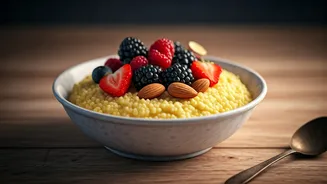
Nostalgia and tradition are powerful, but innovation is making the trend stick. Modern Indian home cooks and chefs are reimagining how millets are used, moving them far beyond simple porridge (khichdi) or flatbreads (roti). Today's trendy millet breakfasts are vibrant and versatile. You’ll find fluffy pancakes and savory crepes (dosas) made from millet flour, light and fluffy upma (a thick porridge traditionally made with semolina) using foxtail millet, and even millet-based granola. This culinary creativity makes incorporating millets feel exciting and modern, not like a return to an austere past. Startups and food brands have jumped on board, offering everything from millet flakes and pasta to ready-to-cook pancake mixes, making it easier than ever for busy families to make the switch.
The Climate-Smart Superfood
Beyond the kitchen, the resurgence of millets is a story of sustainability. These grains are often called “climate-smart crops” for a reason. They are incredibly resilient, capable of growing in poor soil with very little water—a stark contrast to water-guzzling crops like rice and sugarcane. In a country facing increasing climate uncertainty and water stress, promoting a crop that is both drought-resistant and requires fewer pesticides and fertilizers is a logical and necessary step. For many, choosing a millet breakfast isn't just a personal health choice; it’s an environmentally conscious one that supports small-scale farmers and a more sustainable food system.