
From Digital Dream to Daily Reality
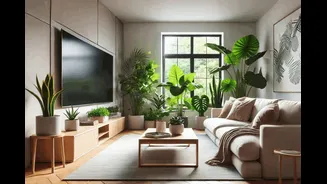
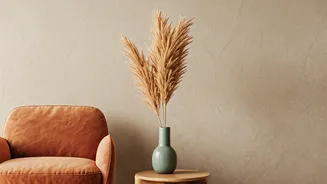
Look around your kitchen. If you’re starting to see more verdant, earthy hues creeping in, you’re not alone. The abstract concept of a “green mood board”—a collection of images evoking nature, tranquility, and health—is being translated into tangible,
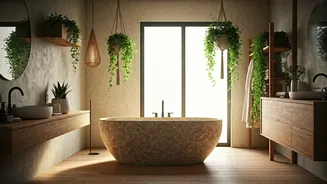
styled vignettes on our countertops. This isn’t about a gut renovation or installing a new backsplash overnight. Instead, it’s a subtle, deliberate styling choice that turns a functional surface into a small-scale sanctuary. Think of it as biophilia in miniature. Biophilic design, which seeks to connect us with nature in our built environments, has been a major force in architecture and interior design for the last decade. This trend is its most accessible, democratic expression. It’s the acknowledgment that even a small, curated corner of green can have an outsized impact on our daily mood and well-being, transforming the mundane act of making coffee or prepping dinner into a moment of mindful calm.
Why Green? And Why Now?
The dominance of green is no accident. In color psychology, green is the great balancer, representing harmony, growth, and restoration. After years of cool grays and stark whites dominating minimalist interiors, the collective design psyche is craving warmth and life. Shades from soft sage and muted olive to deep forest green offer a sophisticated yet soothing alternative to traditional neutrals. This shift is deeply tied to a broader cultural desire for grounding. In a world of digital noise and constant connectivity, our homes have become our primary sanctuaries. Green is the color of the natural world we increasingly seek to escape to. By bringing it indoors, especially into the kitchen—a space of nourishment and gathering—we’re embedding that sense of peace directly into our daily routines. It’s a quiet rebellion against burnout, enacted with a ceramic vase or a pot of fresh basil.
Start with Living Greens
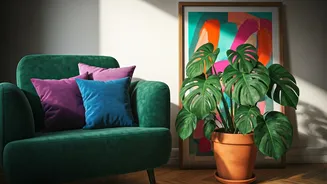
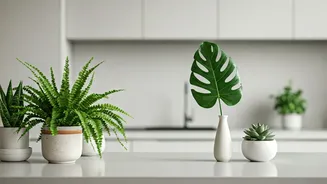
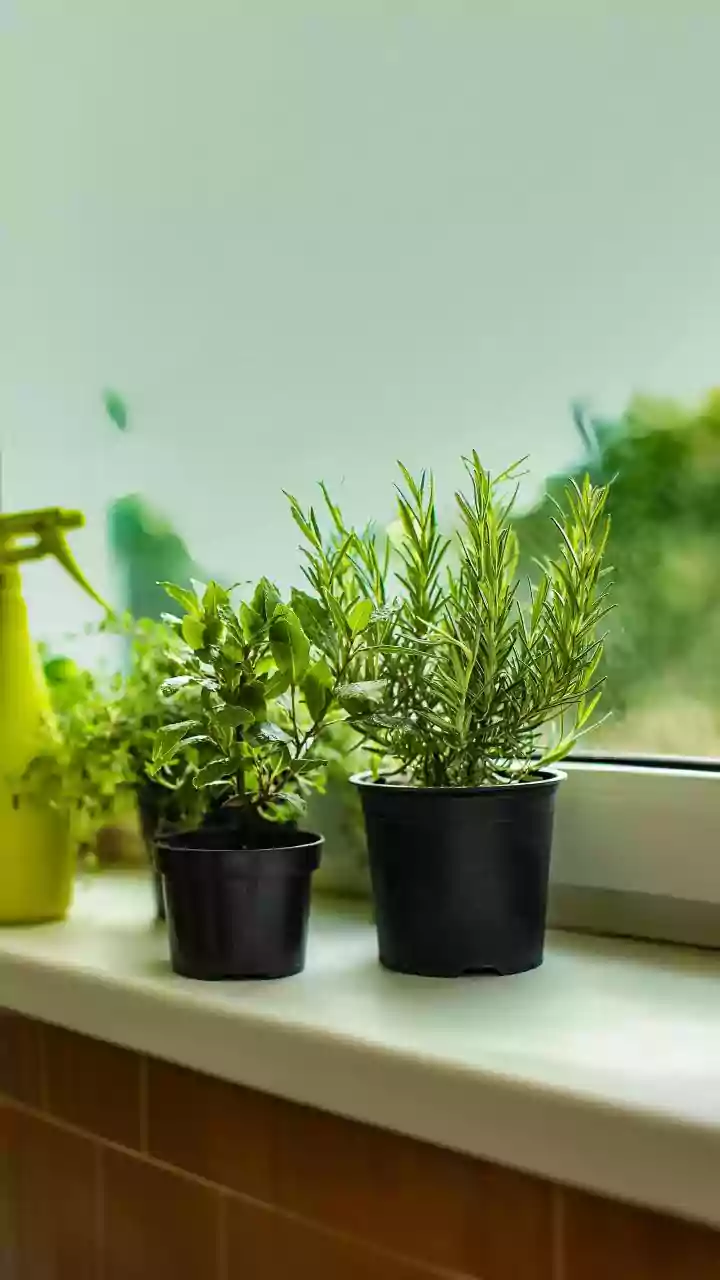
The easiest and most literal way to bring the green mood board to life is with actual, living plants. The kitchen counter is the perfect home for a small, functional herb garden. A few terracotta pots with basil, mint, and rosemary not only add vibrant color and life but are also on hand for cooking. For a lower-maintenance option, a single vase with a few stems of eucalyptus, olive branches, or dramatic monstera leaves can create an instant focal point. Even a simple bowl filled with green apples, limes, or avocados can act as a temporary, edible sculpture that injects a dose of fresh color.
Layer with Textiles and Ceramics
Beyond plants, texture and material are key to creating a compelling countertop vignette. This is where you can truly play with different shades and tones. Drape a beautiful linen dish towel in a muted olive green over your sink or oven handle. Corral your wooden spoons and spatulas in a weighty ceramic utensil holder in a glossy forest green. Decant your dish soap and hand soap into matching green or amber glass dispensers to eliminate visual clutter and create a cohesive look. Even your choice of cookbooks can contribute; stack a few with green spines alongside a small cutting board for a styled, intellectual touch.
Incorporate Lasting Hues
If you find you love the effect, you can make more permanent additions. This doesn’t have to mean painting all your cabinets (though sage green kitchens are having a major moment). Consider adding a single, high-impact green object that lives on your counter or stove. A classic enameled cast-iron Dutch oven in a rich green is both a functional workhorse and a stunning piece of decor. Investing in a set of green-tinted drinking glasses or everyday ceramic bowls can carry the theme from the counter to the table. These are the anchor pieces that make the smaller, styled elements feel intentional rather than random, tying the entire “mood board” together.