



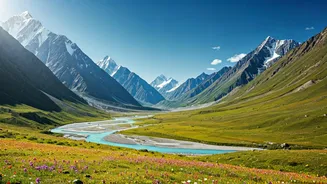


An Escape from the Mainstream Circuit
For decades, the Indian state of Himachal Pradesh has been a magnet for travelers seeking refuge from the blistering summer heat of the plains. Destinations like Shimla and Manali became legendary, first as British colonial hill stations and later as bustling
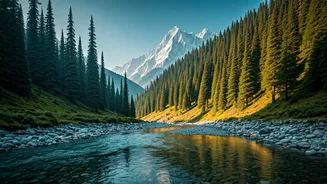
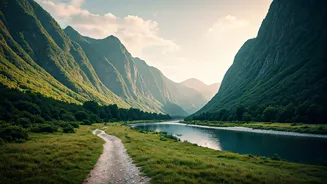
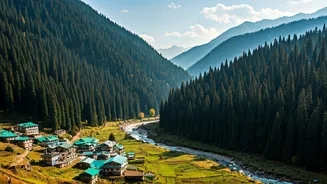
tourist hubs. But with popularity came congestion, commercialization, and a constant thrum of activity that can feel at odds with the majestic tranquility of the Himalayas. Jibhi, tucked away in the Banjar Valley and serving as a gateway to the serene Tirthan Valley, represents a quiet rebellion against this trend. It’s a destination that asks you to slow down. There are no sprawling malls or packed market roads here. Instead, the soundtrack is the rush of the Tirthan River, the whisper of wind through towering deodar pines, and the distant chime of a temple bell. For the American traveler accustomed to national parks, Jibhi feels less like a city break and more like a retreat into a protected, pastoral landscape.
The Architecture of Calm
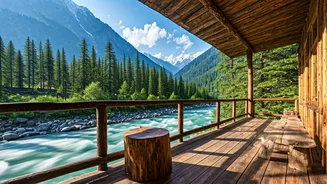
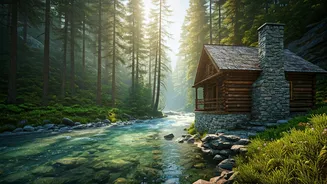
A large part of Jibhi’s charm lies in what isn't there: concrete hotel blocks. The village and its surroundings are dotted with traditional Himachali homes and guesthouses built in the Kath Kuni style. This indigenous architectural method uses interlocking layers of stacked stone and cedarwood beams, creating sturdy, beautiful structures that blend seamlessly into the forested hillsides. These buildings are not just aesthetically pleasing; they represent a sustainable, centuries-old relationship with the local environment. Staying in one of Jibhi’s many family-run homestays or wooden cottages isn't just about finding a room for the night. It’s an immersion into a slower, more deliberate way of life. Mornings are spent on wooden balconies with a cup of chai, watching the fog lift from the valley floor. Evenings are for simple, home-cooked meals and conversations around a fire. This focus on intimate, small-scale lodging preserves the village’s character and ensures the mood remains gentle and personal.
Nature's Gentle Rhythms
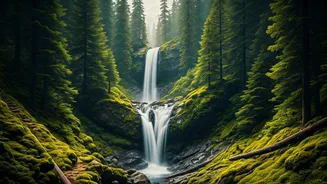
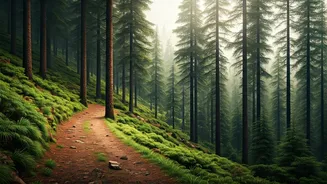
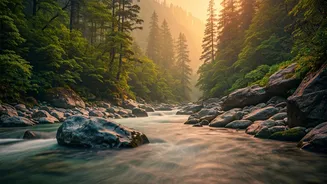
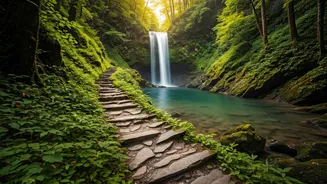
The 'things to do' list in Jibhi is refreshingly simple and revolves entirely around the natural world. Instead of a packed itinerary, a day might involve a leisurely walk to Jibhi Waterfall, a small but picturesque cascade hidden in a thicket of trees. You might spend an afternoon by the Tirthan River, trying your hand at trout fishing or simply finding a smooth boulder to sit on and read a book. The area is a paradise for casual hikers, with trails leading through fragrant pine forests to small, undiscovered meadows and neighboring villages. Unlike the demanding, high-altitude treks found elsewhere in the Himalayas, the paths around Jibhi are more forgiving, encouraging exploration without requiring specialized gear or extreme fitness. The goal isn't to conquer a peak but to connect with the forest, listen to the birds, and breathe in the clean mountain air. It’s an active form of relaxation.
A Gateway to Wilder Places
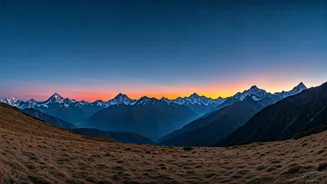
While Jibhi itself is a haven of peace, it also serves as a comfortable base for exploring the more rugged beauty of the region. A short, scenic drive takes you to the Jalori Pass, a high mountain pass at over 10,000 feet. From the pass, a short trek leads to Serolsar Lake, a stunning high-altitude body of water surrounded by dense oak trees and held sacred by locals. Jibhi is also on the edge of the Great Himalayan National Park, a UNESCO World Heritage Site renowned for its incredible biodiversity, including elusive species like the snow leopard and blue sheep. While deep treks into the park require permits and guides, the periphery offers a taste of this pristine wilderness. Jibhi provides the perfect balance: the ability to touch the wild, untamed Himalayas by day and return to the comfort and warmth of a cozy riverside cottage by night. It’s a soft entry point to one of the world's most formidable mountain ranges.