

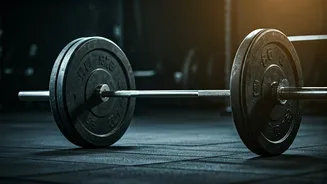


Strength Training Is the New Standard
If it feels like everyone you know is suddenly deadlifting, you’re not wrong. For years, cardio was seen as the default for general health, while strength training was a niche pursuit for bodybuilders. That script has completely flipped. Today, lifting weights
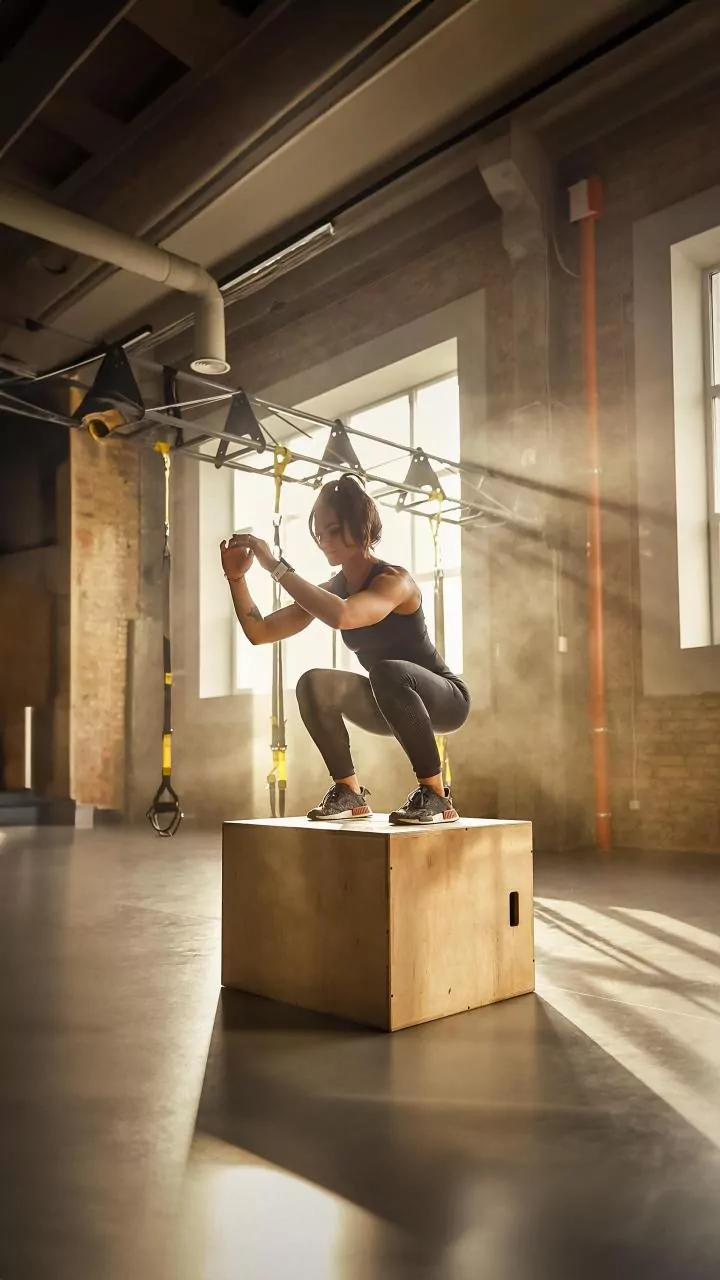
is recognized as a cornerstone of long-term health for everyone. Major health organizations now emphasize its importance for maintaining muscle mass as we age, which is crucial for metabolic health and preventing frailty. It also boosts bone density, improves insulin sensitivity, and, yes, makes everyday tasks like carrying groceries or lifting a suitcase feel effortless. The trend isn't just about lifting heavy; it’s about 'progressive overload'—gradually increasing the demand on your muscles. This focus on functional strength over pure aesthetics is making the weight room a more inclusive and essential space.
The Hybrid Athlete Goes Mainstream
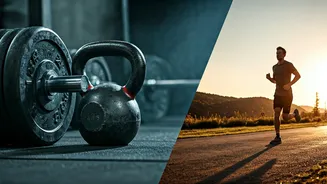
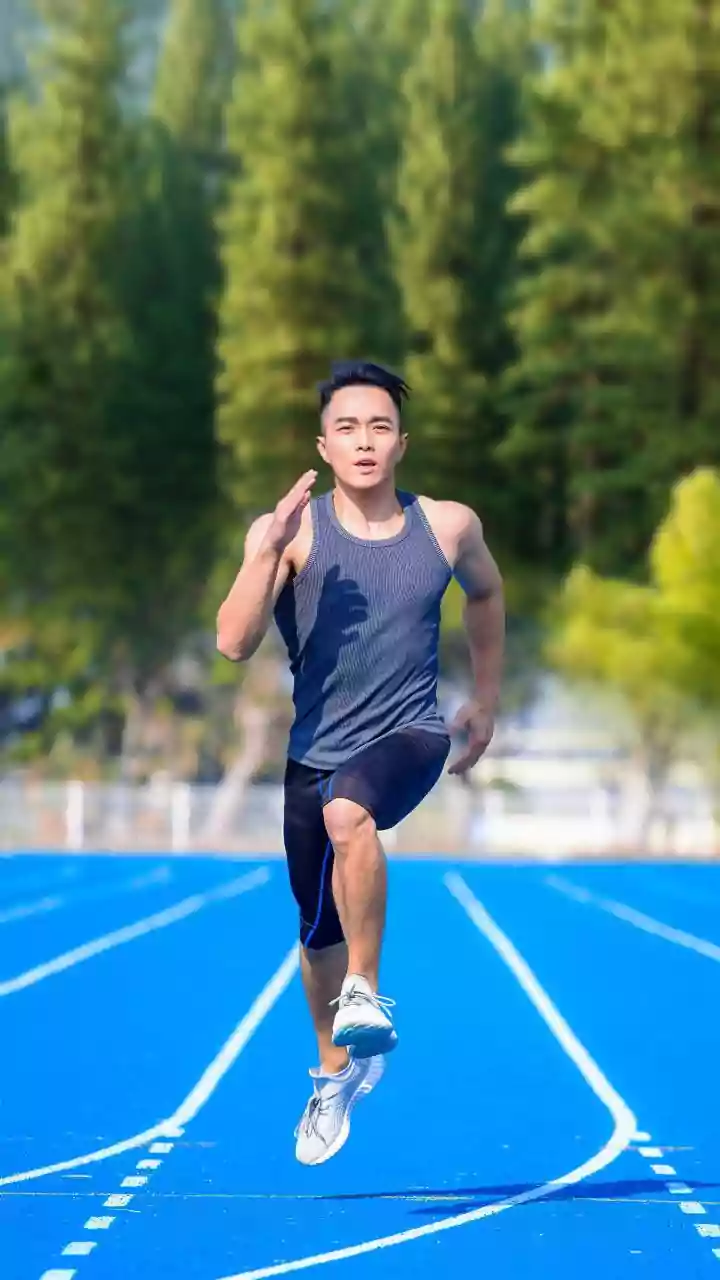
Why choose between being strong and being fast? The 'hybrid athlete' model, which combines serious strength training with dedicated endurance work, is exploding in popularity. This isn't about dabbling in both; it's a structured approach to excelling at them simultaneously. Think of people training for a marathon and a powerlifting meet in the same year. This movement rejects the old-school thinking that you have to sacrifice muscle to run far or that cardio kills your gains. Instead, it promotes a more holistic vision of fitness, creating well-rounded individuals who are both powerful and resilient. The appeal is obvious: it builds a body that’s prepared for any challenge, whether it’s a 10K race, a heavy lifting session, or a strenuous weekend hike. It’s the ultimate expression of being 'functionally fit' for the unpredictable demands of life.
Rucking: The Deceptively Simple Powerhouse
At its core, rucking is simple: walking with a weighted backpack (a 'rucksack'). But don’t let its simplicity fool you. This military-inspired activity is a potent 'Zone 2' cardio workout that’s low-impact on the joints, making it more accessible than running for many people. At the same time, the added weight engages your posterior chain—glutes, hamstrings, and back—and strengthens your core as you work to maintain good posture. It’s a cardiovascular and strength workout rolled into one. Rucking’s popularity is also fueled by its social and accessible nature. You don't need a fancy gym membership; you just need a sturdy backpack, some weight, and the outdoors. It’s become a popular group activity, turning a solo grind into a communal experience that builds both physical and social strength.
Training for Longevity, Not Just PBs
A significant shift is underway from training for peak performance to training for lifelong healthspan. This means prioritizing workouts that will keep you mobile, independent, and pain-free for decades to come. Enter the focus on Zone 2 cardio—low-intensity exercise where you can still hold a conversation—which is proven to improve mitochondrial function and cardiovascular efficiency without over-stressing the body. This is a move away from the 'no pain, no gain' mentality of high-intensity-only routines. Longevity training also emphasizes mobility work, balance exercises, and maintaining a solid base of strength. The goal is no longer just to hit a new personal best (PB) this month, but to be able to play with your grandkids in 30 years. It’s a smarter, more sustainable approach that treats fitness as a lifelong practice, not a short-term sprint.
Fitness Finds Its 'Third Place'
In an increasingly digital and isolated world, the gym or fitness studio is re-emerging as a vital 'third place'—a social hub outside of home and work. This isn't just about having workout buddies; it's about finding a genuine community. Boutique studios, CrossFit boxes, and running clubs are thriving because they offer connection and shared identity alongside a good sweat. This social component is a powerful motivator. It’s much harder to skip a workout when you know your friends are waiting for you. This sense of belonging transforms exercise from a chore into a valued part of your social life, making the habit far 'stickier' and more resilient to the ups and downs of motivation. The workout becomes the means, but the community becomes the reason you keep showing up.