





A World Away in the Himalayas
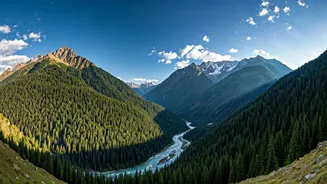
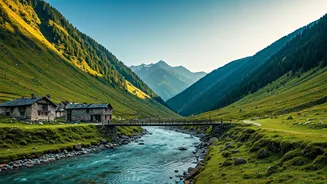
For most Americans, the Himalayas conjure images of grueling Mount Everest expeditions. But nestled in the Indian state of Himachal Pradesh is a gentler, more soulful side of the world's highest mountain range. The Tirthan Valley, a lush corridor of greenery
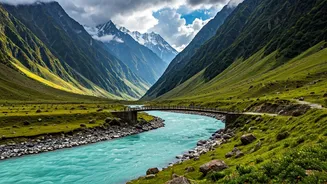
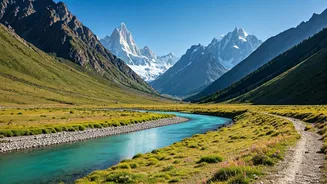
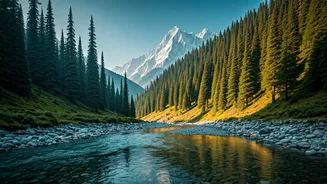
flanking the Tirthan River, serves as an eco-tourism buffer zone for the Great Himalayan National Park, a UNESCO World Heritage Site. This isn't a place of bustling tourist towns or commercial ski resorts. It’s a destination for slowing down, a protected haven where the rhythm of life is dictated by the seasons and the flow of the river. Getting there is a journey in itself, often involving a flight to a regional airport like Kullu-Manali followed by a winding, scenic drive, but that deliberate remoteness is precisely the point. It strips away the noise of modern life before you’ve even taken your first step on a trail.
Walking Through a Cathedral of Pines
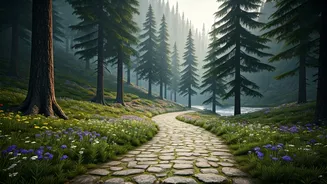
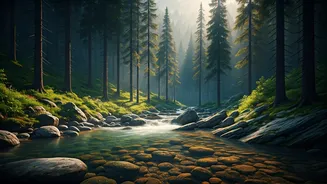
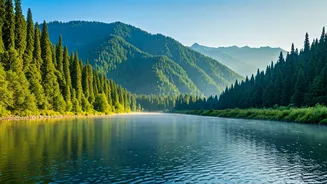
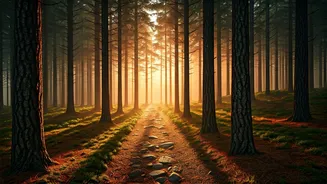
The romance of the Tirthan Valley is rooted in its sensory details, and it all begins with the trees. The trails are predominantly lined with towering deodar cedars, a species of cedar often called the Himalayan pine, whose name in Sanskrit, *devadāru*, translates to 'wood of the gods.' Walking beneath their canopy feels like entering a natural cathedral. The air grows cooler and takes on a sharp, clean, resinous scent that is instantly calming. Sunlight filters through the dense boughs, dappling the path in shifting patterns of gold. These aren't manicured parkways; they are intimate, earthen trails that meander alongside the turquoise river or climb gently into the wooded hills. The soft carpet of fallen needles muffles sound, creating a profound sense of privacy and quiet intimacy. In this hushed environment, conversations feel more meaningful and silence feels comfortably shared, not awkward.
A Pace Set for Connection
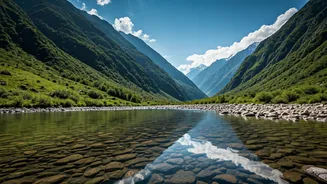
The walks here aren’t about conquering peaks or clocking miles. They are invitations to wander. You might follow a path leading to a hidden waterfall, a tiny, slate-roofed village, or a secluded spot by the river perfect for skipping stones. This unhurried pace is what fosters connection. Without the pressure of a destination, the focus shifts to the journey itself and the person you’re with. It’s on these trails that you find yourself walking in comfortable sync, pointing out a brightly colored bird or stopping to admire the view without a word. The simple act of navigating a narrow path or helping each other over a stream becomes a small, shared adventure. This gentle, cooperative movement through a beautiful landscape is a quiet form of romance, far removed from grand, performative gestures.
Beyond the Trail Itself
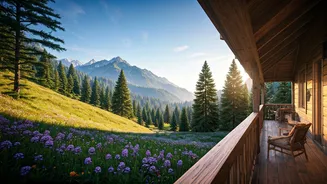
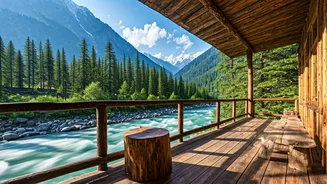
The romantic atmosphere extends beyond the pine forests. The valley is dotted with traditional wooden homestays and small guesthouses, many with balconies overlooking the roaring river. Evenings are spent not in crowded bars, but around a bonfire, sipping tea and watching the stars emerge in a sky unsullied by city lights. The local culture is one of warm, unobtrusive hospitality. There’s a prevailing sense of peace that seeps into your bones. The combination of crisp mountain air, the constant murmur of the river, and the majestic scenery creates an environment where it’s easy to feel present and connected. It’s a reminder that sometimes the most romantic thing you can do is simply exist, together, in a place of overwhelming natural beauty.