

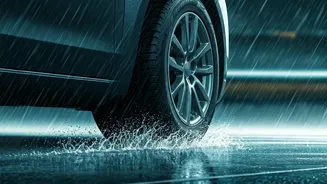


1. Check Your Tire Tread and Pressure
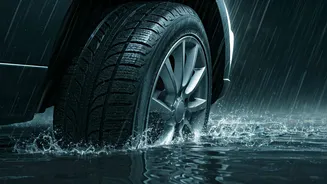
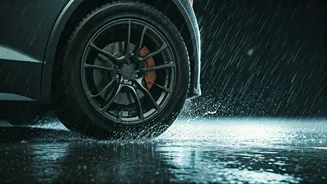
Your tires are your car's only connection to the road, and in wet weather, that connection is everything. Worn tires can't channel water away effectively, leading to hydroplaning—a dangerous situation where you lose steering and braking control. The classic
way to check tread depth is with a penny. Insert it into the tread groove with Lincoln's head upside down. If you can see the top of his head, your tires are worn and it's time for a new set. Additionally, check your tire pressure. Under-inflated tires can also compromise handling in the rain. Your car's recommended PSI is listed on a sticker inside the driver's door jamb. Check it when the tires are cold for an accurate reading.
2. Replace Your Wiper Blades
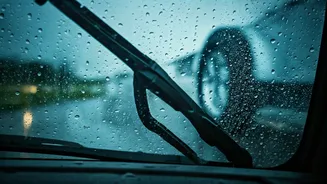
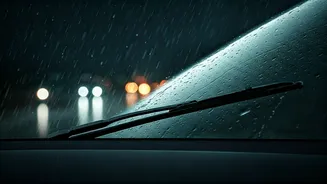
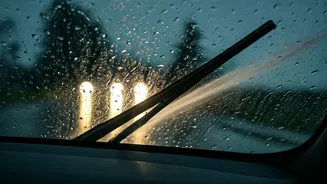
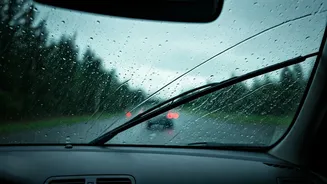
This is one of the easiest and most affordable safety measures you can take. If your wipers are leaving streaks, chattering across the glass, or smearing water instead of clearing it, they're past their prime. Degraded rubber won't give you the clear visibility you need in a downpour. Most auto parts stores can help you find the right size for your vehicle, and many will even install them for you free of charge. While you're at it, top off your windshield washer fluid with a formula designed to repel rain for an extra visibility boost.
3. Test All Exterior Lights
In a heavy rainstorm, visibility drops for everyone. Your car's lights aren't just for you to see; they're for others to see you. Walk around your vehicle and check that your headlights (both low and high beams), taillights, brake lights, and turn signals are all functioning properly. Ask a friend to help you check the brake lights by pressing the pedal while you stand behind the car. A burned-out bulb is a cheap fix that can prevent a costly accident in low-light, rainy conditions.
4. Inspect Your Brakes
Wet roads mean longer stopping distances. This isn't the time to wonder if your brakes are in good shape. Listen for any squealing, grinding, or screeching sounds when you brake. Does the pedal feel spongy or does the car pull to one side when you stop? These are all warning signs that your brake pads, rotors, or fluid may need attention. If you have any doubts, don't wait. Have a trusted mechanic perform a brake inspection to ensure they're ready to perform when you need them most.
5. Protect the Paint with Wax or Sealant
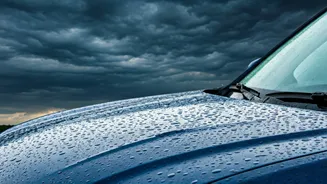
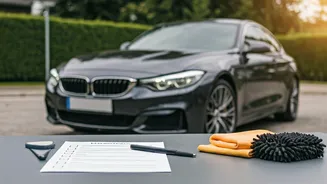
Preventive maintenance isn't just about safety; it's also about preserving your car's value. Rainwater can be acidic and, when mixed with road grime and pollutants, can eat away at your car's clear coat and paint over time. Applying a quality coat of wax or a more durable paint sealant creates a hydrophobic barrier. This causes water to bead up and roll right off, taking dirt with it and making your car easier to clean. More importantly, it shields the paint from moisture and contaminants, preventing rust and oxidation before they start.
6. Check for Leaks and Seal Them
A musty smell or damp floor mats after a storm are tell-tale signs of a leak. The rubber seals around your doors, windows, and sunroof can dry out and crack over time, allowing water to seep into the cabin. This can lead to mold, mildew, and even electrical problems if water reaches sensitive components. Carefully inspect the weather stripping for any visible damage. You can also check for leaks by having a friend run a hose over the car while you sit inside looking for drips. Minor issues can often be fixed with a simple rubber sealant conditioner, but significant tears may require a full replacement.