






The Emerald Transformation
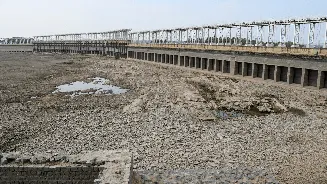
Before the rains, the coastal plains of this southeastern Indian state often lie parched under a relentless sun. The air is thick with dust, the earth a palette of browns and ochres. Then, the monsoon arrives. It’s not a gradual shift but a dramatic takeover.
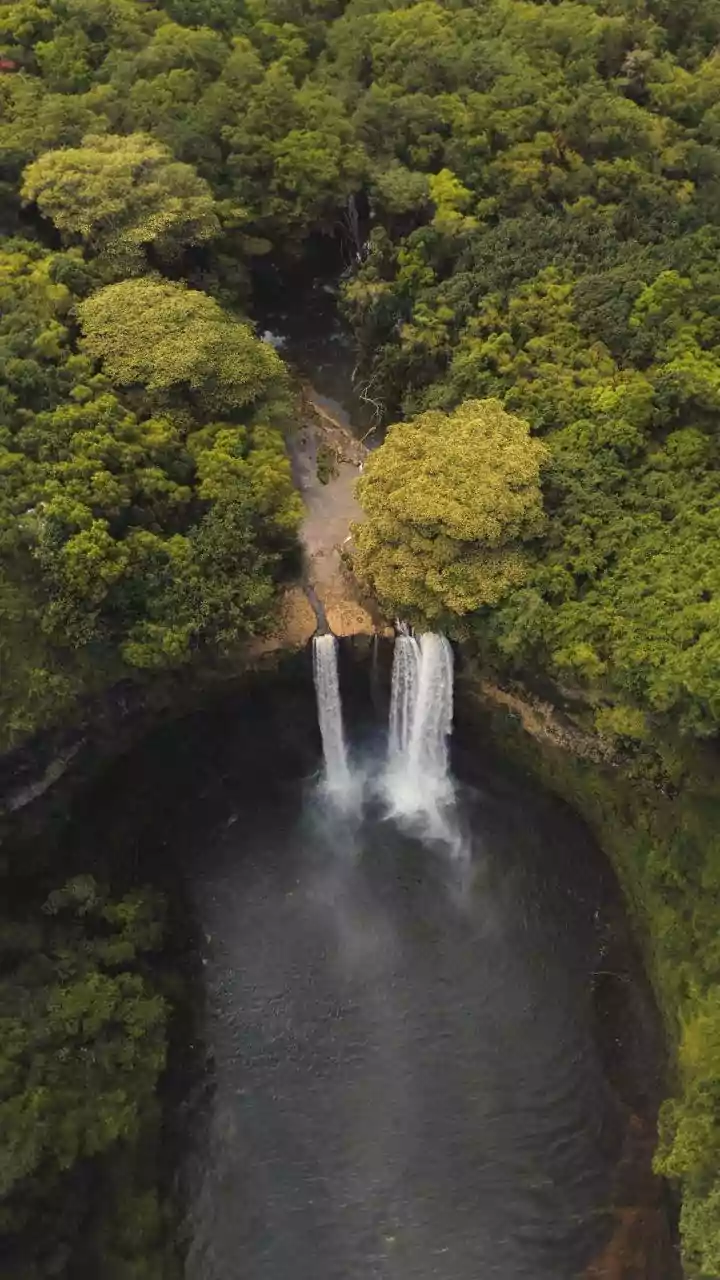
The first scent is of petrichor—the intoxicating smell of rain hitting dry earth. Within days, a staggering transformation occurs. Hills that were skeletal and brown suddenly cloak themselves in a vibrant, almost fluorescent green. Rice paddies, terraced along the landscape, fill with water and become shimmering mirrors reflecting the brooding, silver-grey skies. Rivers like the mighty Godavari and Krishna, which form vast deltas here, swell with life-giving water. It’s a landscape reborn, every surface dripping with saturation, a feast for the eyes after months of heat-induced haze.
The Fury of the Bay
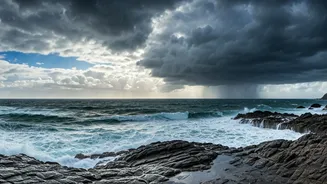
But this beauty is born from a raw, untamed power. The Bay of Bengal, which borders Andhra’s nearly 600-mile coastline, is a notorious hotbed for cyclones. The same weather systems that bring the revitalizing rains can, with a slight shift in pressure or temperature, escalate into terrifying storms. This is the “unpredictable” part of the bargain. A day that starts with a gentle, lyrical drizzle can end with howling winds and horizontal rain that feels solid. For the coastal communities, particularly the fishing villages dotted along the shore, the monsoon is a season of both respect and fear. Fishermen mend their nets and wait, knowing the sea that provides their livelihood is too treacherous to enter. The beaches, beautiful in their wildness, are often battered by waves that erode the shore, reminding everyone of nature’s ultimate authority.
Where Hills Meet an Angry Sea
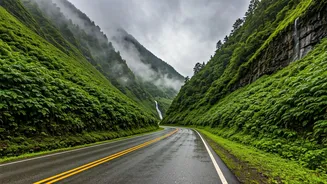
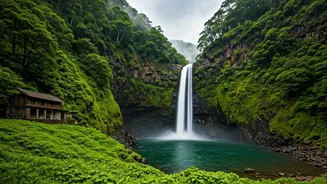
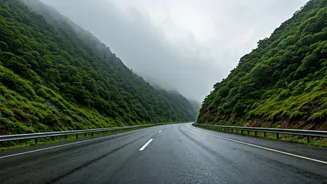
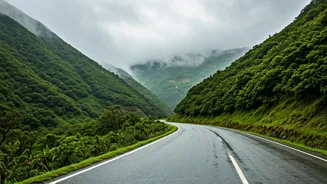
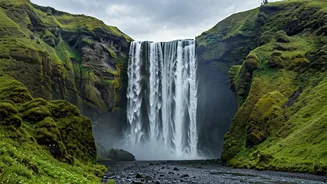
The geography of the Andhra coast makes this seasonal drama even more compelling. This isn't just a flat, sandy expanse. The Eastern Ghats, a range of weathered mountains, run parallel to the coast, in some places plunging directly into the sea. In cities like Visakhapatnam, hills cradle the urban sprawl, their green slopes providing a stunning backdrop to the churning monsoon ocean. During the rains, waterfalls appear as if from nowhere, cascading down the rocky faces of these hills. Driving along the coastal highways becomes an experience in itself, with the road winding between rain-swept mountains on one side and the turbulent bay on the other. It’s a landscape of constant, powerful contrast—the solid, ancient rock against the fluid, ever-changing water.
A Culture Adapted to the Chaos
Life, of course, doesn’t stop. Instead, it adapts. The monsoon season dictates its own rhythm. The local cuisine shifts to embrace the bounty of the rain; markets fill with seasonal vegetables and the air carries the scent of fried snacks—the perfect accompaniment to a cup of hot chai on a rainy afternoon. There’s an indoor-focused coziness that settles over the region. It’s a time for family, for stories, and for waiting out the worst of the storms. This annual cycle of destruction and renewal has forged a deep resilience in the culture. People here understand the dual nature of the monsoon. It is the bringer of water for the crops that feed millions, but it is also a force that demands caution and respect. It’s a powerful reminder that some of the most beautiful places on Earth are also the most profoundly wild.