
The Undisputed Star of Summer
While berries and watermelon have long been the familiar faces of American summer, the mango has staged a spectacular takeover. This tropical fruit has officially graduated from a niche, exotic ingredient to a mainstream headliner. You’ll find it blended
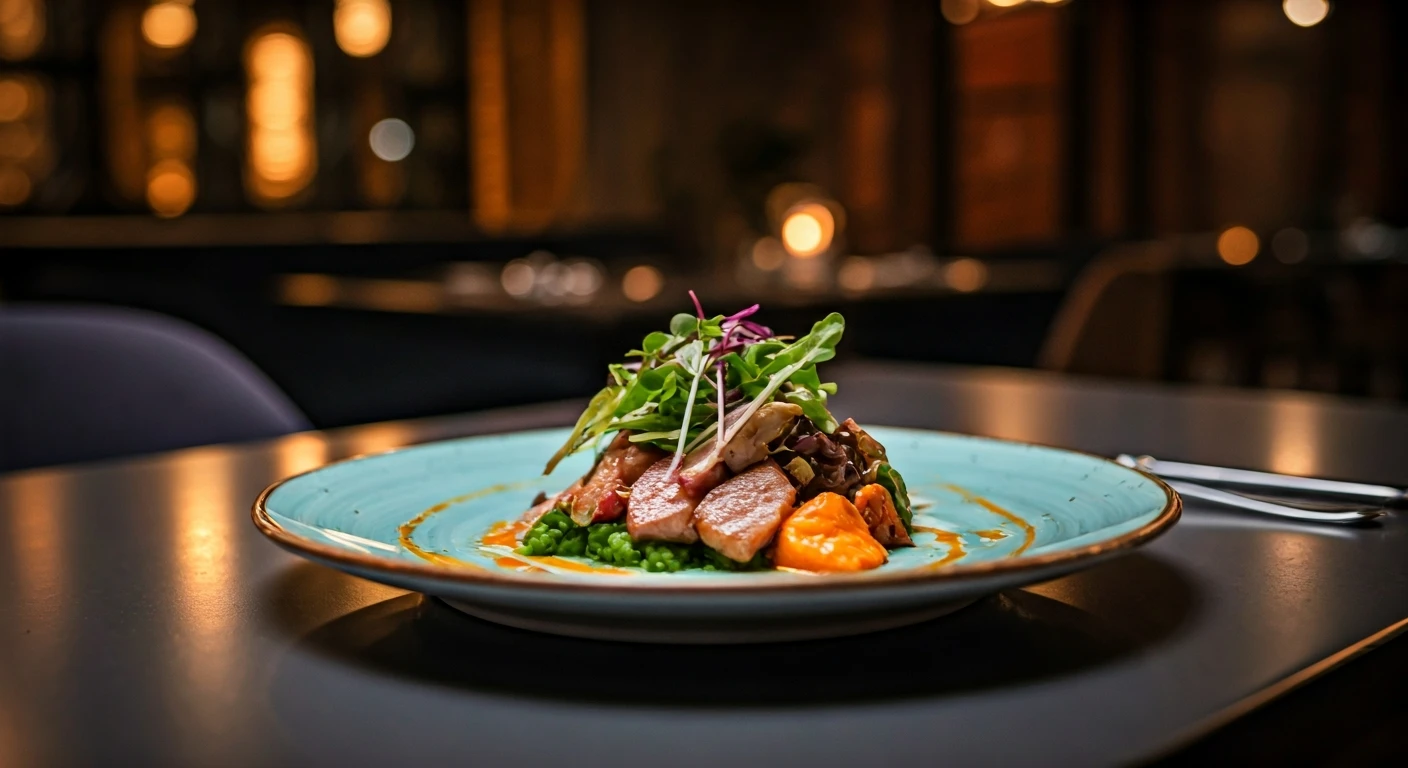
into smoothies at your local café, diced into salsa at chain restaurants, and elegantly plated in fine-dining establishments. Why the sudden surge? Versatility is key. Unlike some fruits that are confined to the dessert menu, mango plays well with a dizzying array of flavors. Its unique profile—a blend of pineapple, citrus, and peach notes—allows it to bridge the gap between sweet, spicy, and savory dishes with remarkable ease. It can be grilled, roasted, pureed, pickled, or served fresh, making it a dream ingredient for creative chefs.
Beyond the Dessert Plate
Perhaps the biggest sign of mango's culinary dominance is its migration across the entire menu. For years, its primary role was in sweet applications like sorbets, cheesecakes, or fruit tarts. Today, its savory potential has been fully unlocked. Summer menus are brimming with examples: grilled fish tacos topped with a zesty mango-jalapeño salsa, quinoa salads dotted with sweet mango chunks for a surprising burst of flavor, or sticky mango-glazed chicken wings that offer a perfect sweet-and-spicy kick. This shift reflects a broader American palate that has become more adventurous, embracing complex flavor combinations that balance sweetness with heat, acid, and salt. The mango provides that perfect anchor, delivering a taste of the tropics that elevates everything from a simple salad to a sophisticated main course.
A Global Passport on a Plate
Mango’s rise is intrinsically linked to the growing influence of global cuisines in the American food scene. The fruit is a staple in many parts of the world, particularly in South Asia, Southeast Asia, and Latin America, and its journey to our plates is a story of cultural fusion. The creamy, yogurt-based mango lassi, once found only in Indian restaurants, is now a common brunch offering. Thai mango sticky rice, a classic dessert, has become a foodie favorite. In Mexican and other Latin American cuisines, mango is often enjoyed with a sprinkle of chili powder, lime, and salt—a flavor combination that has inspired countless cocktails, snacks, and sauces. As these culinary traditions become more integrated into mainstream American dining, the mango has come along for the ride, acting as a delicious ambassador for a world of flavor.
Engineered for the Instagram Era
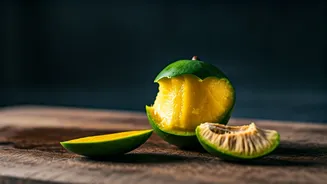
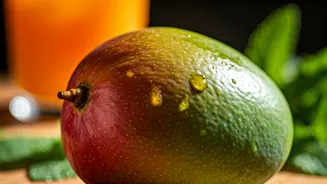
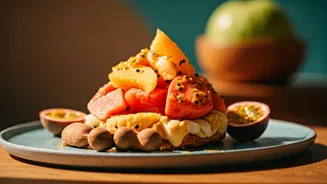
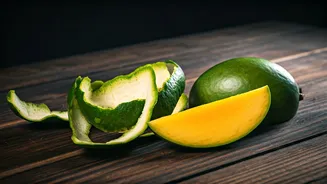
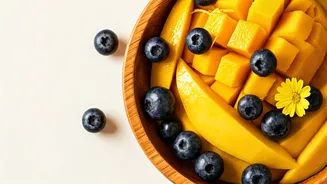
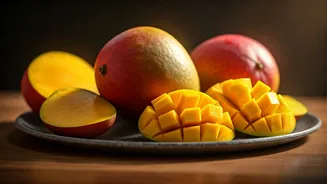
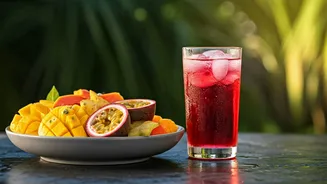
In today’s visually driven world, we eat with our eyes first, and this is where mango truly shines. The “colour” in the headline is no accident. The fruit’s vibrant, saturated hues of golden yellow, fiery orange, and deep red are practically custom-made for social media. A dish featuring mango instantly looks more appealing, more vibrant, and more summery. Chefs know this, and they use it to their advantage, creating plates that are as beautiful as they are delicious. A swirl of mango puree, a scattering of diced fruit, or a glistening mango glaze can transform a dish from mundane to magnificent. This visual appeal creates a powerful feedback loop: diners see a beautiful mango dish on Instagram, they seek it out, they post their own photo, and the trend’s momentum continues to build.