



First, What Is a Monsoon Diet?
In South Asia and other tropical regions, the monsoon season is more than just rain—it's a dramatic shift in the environment that impacts daily life, agriculture, and health. High humidity, a drop in temperature, and an increase in water-borne pathogens
create a unique set of challenges for the human body. Digestion is thought to become more sluggish, and the risk of infection rises. A “monsoon diet” isn't a restrictive, modern fad; it's a traditional, common-sense approach to eating that addresses these seasonal challenges. Rooted in practices like Ayurveda and reinforced by modern medical advice, its goal is simple: keep the body light, fortify the immune system, and avoid foods that are hard to digest or may carry contaminants. Doctors are now boiling this wisdom down to a few core principles that anyone can benefit from, especially during seasonal transitions.
Prioritize Light and Warm Meals
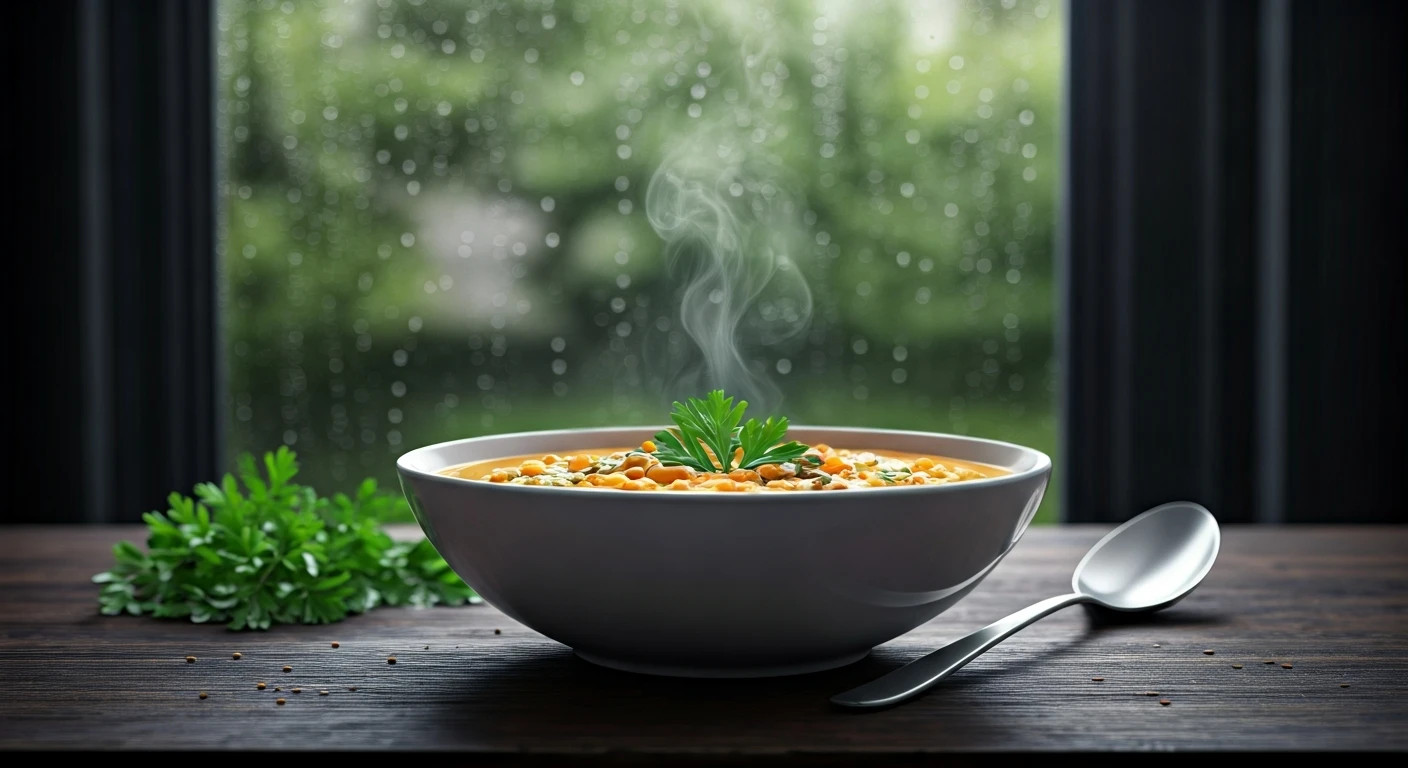
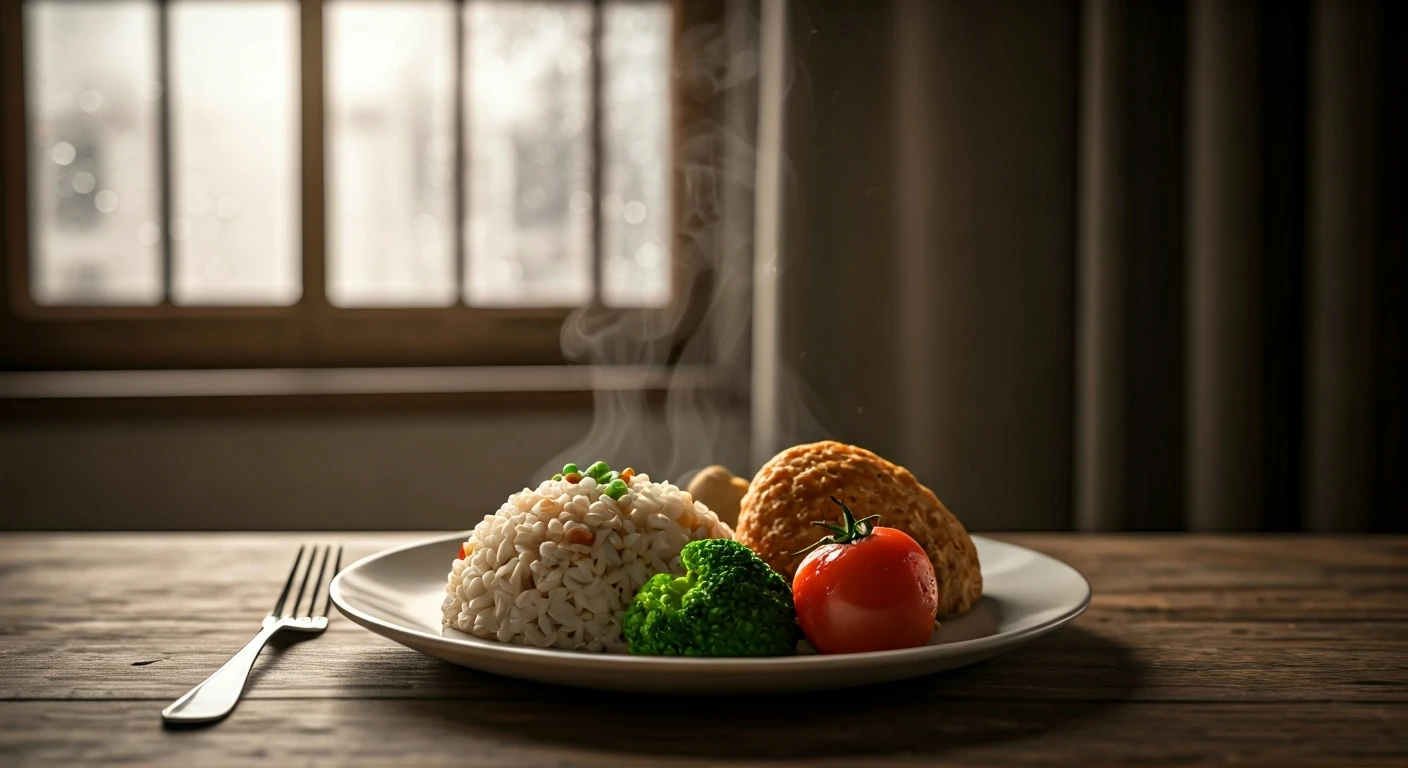
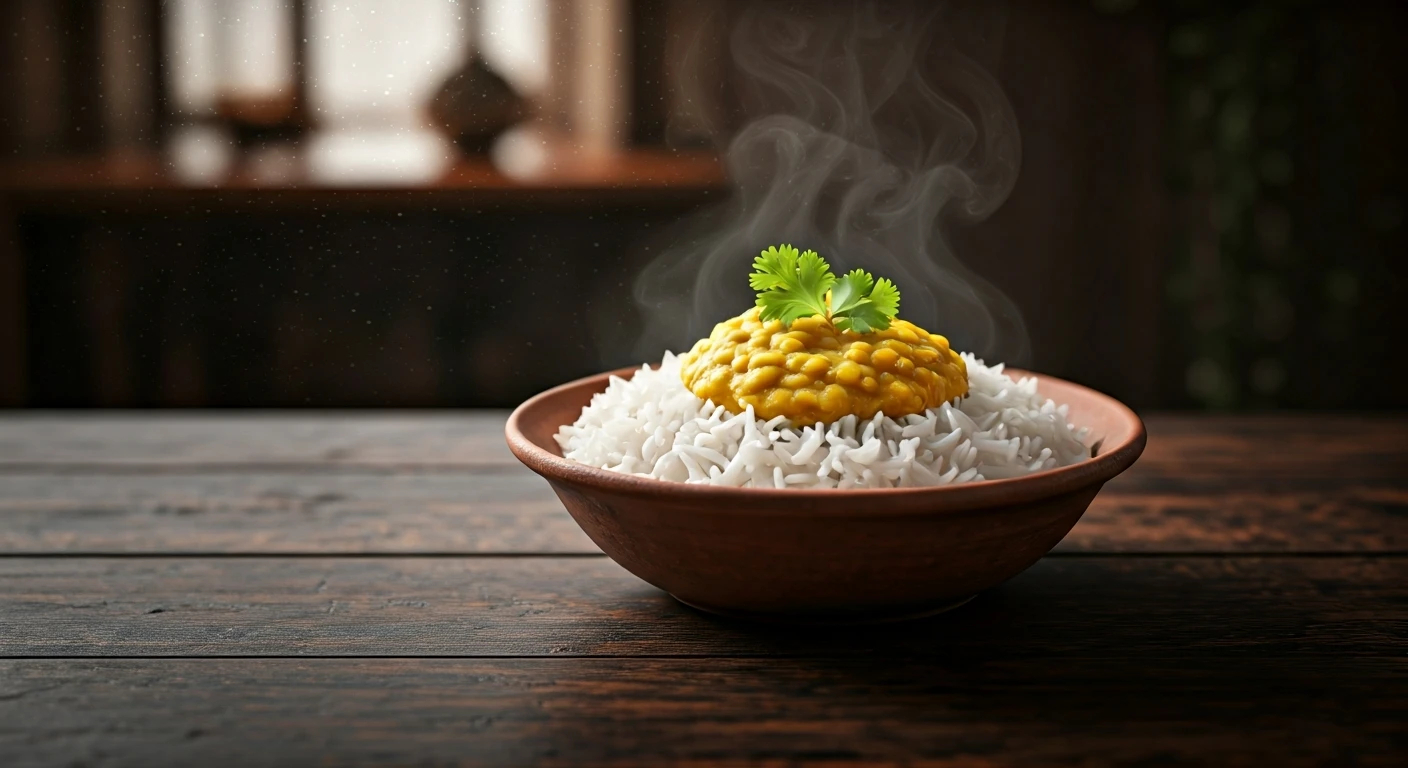
The number one piece of advice is to ease the burden on your digestive system. During humid weather, the body’s “digestive fire” is considered weaker. Heavy, oily, and fried foods that are difficult to process are discouraged. Instead, doctors and dietitians recommend focusing on meals that are warm, cooked, and easy to digest. Think hearty vegetable soups, steamed foods, and simple grain dishes like lentils and rice (khichdi). These meals provide ample nutrition without making you feel heavy or lethargic. The warmth is also believed to be comforting and beneficial for the gut, contrasting with the damp, cool weather outside. This principle is universal: when you feel sluggish, choosing lighter, cooked foods is a simple way to support your body.
Boost Your Immunity with Spices
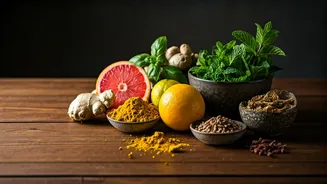
The monsoon season is notorious for a spike in colds, flu, and other infections. Consequently, a key part of the diet focuses on naturally boosting the immune system. This is where kitchen spices become medicine. Doctors consistently recommend incorporating ingredients known for their antimicrobial and anti-inflammatory properties. Ginger, a staple in teas and cooking, helps with digestion and soothes sore throats. Turmeric, with its active compound curcumin, is a powerful anti-inflammatory. Garlic is prized for its antibacterial and antiviral effects, while a pinch of black pepper not only adds flavor but also enhances the absorption of nutrients from other foods. A simple daily habit could be sipping on warm water infused with ginger and a dash of honey.
Be Cautious with Raw Vegetables
This might seem counterintuitive in a health-conscious world that loves big salads, but it’s a crucial monsoon tip. Raw leafy greens and other vegetables can be problematic during the rainy season. The high moisture content in the soil and air creates a perfect breeding ground for bacteria, worms, and other microbes that can cling to produce. While these vegetables aren't off-limits, the advice is to be extra vigilant. It's strongly recommended to wash all greens and vegetables thoroughly, perhaps with a bit of salt or vinegar in the water, and to cook them well before eating. Steaming or blanching vegetables is a great compromise, as it kills potential pathogens while retaining many nutrients. This reduces the risk of stomach infections significantly.
Rethink Your Hydration and Street Food Habits
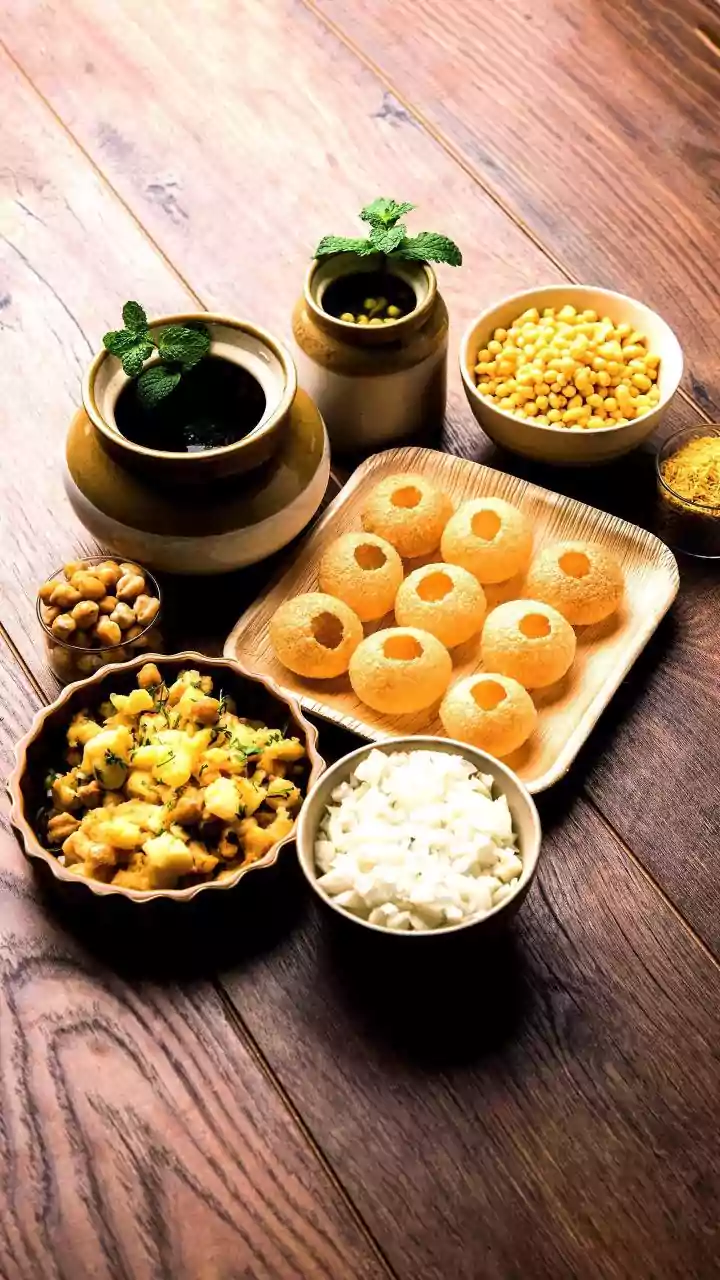
Staying hydrated is always important, but *how* you hydrate matters during the monsoon. Contaminated water is the primary source of illnesses like typhoid and cholera. Doctors advise avoiding tap water unless it's been boiled or properly filtered. This extends to ice cubes in drinks, which are often made from unfiltered water. The preference is for warm water or herbal teas, which are considered safer and more soothing for the digestive tract. This caution also applies to street food, especially items that are uncooked (like chutneys) or have been sitting out. As tempting as they are, the risk of food poisoning is simply too high. Opting for freshly prepared, hot food from trusted sources is the safest bet.