



The Delicious Dilemma
Imagine trying to eat your way across Europe in two weeks. You might get a taste of Parisian bistro fare, Roman pasta, and maybe a Berlin currywurst, but you’d barely scratch the surface. That’s the challenge facing food-loving travelers in India. The
country is a mosaic of 28 states and 8 union territories, each with a culinary identity as distinct as its language and landscape. The creamy, wheat-based dishes of Punjab in the north have little in common with the tangy, coconut-laced seafood curries of Goa in the west, or the delicate, steamed rice cakes of Tamil Nadu in the south. For decades, American diners knew “Indian food” as a monolith, mostly representing the rich, tandoor-centric cuisine of the North. But a trip to India reveals a staggering, wonderful, and frankly overwhelming variety. You could spend a lifetime exploring it and still find new flavors. This presents a problem: how do you experience this breadth without spending months on the road?
The Solution: Curated Culinary Tours on a Plate
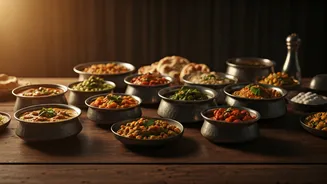
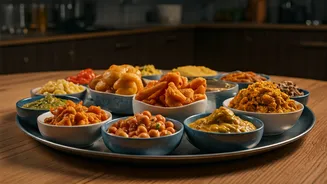
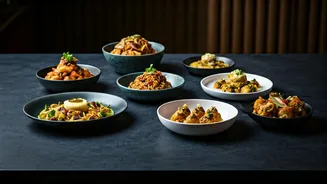
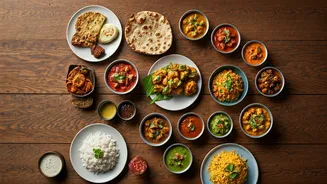
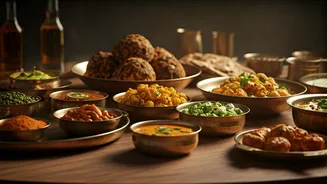
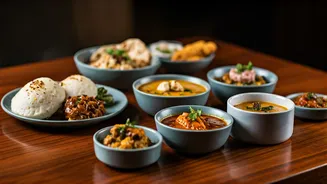
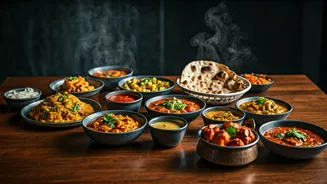
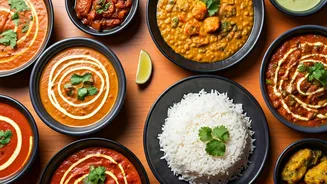
Enter the multi-regional restaurant, India’s savviest and most delicious travel hack. Instead of focusing on a single region—like a traditional Punjabi dhaba or a South Indian idli shop—a growing number of innovative eateries in major hubs like Delhi, Mumbai, and Bangalore are curating menus that read like a culinary map of the nation. These aren't fusion restaurants blending disparate flavors into one confused dish. Rather, they are culinary galleries, carefully presenting authentic, region-specific dishes side-by-side. One page of the menu might offer a fiery Laal Maas from the deserts of Rajasthan, while the next features a subtle Patrani Macchi, a Parsi preparation of fish steamed in a banana leaf, popular in Gujarat and Mumbai. This allows diners to embark on a gastronomic journey without ever leaving their table. It’s the perfect strategy for a time-crunched traveler wanting to understand the true scope of Indian food beyond the familiar butter chicken.
A Cheat Sheet to India’s Flavor Zones
To make the most of these menus, it helps to know the key flavor profiles. Think of India in four broad culinary zones. In the North (Punjab, Delhi, Rajasthan), expect rich, dairy-forward gravies, smoky flavors from the tandoor (clay oven), and breads like naan and roti. In the South (Kerala, Tamil Nadu, Andhra Pradesh), the staples are rice, lentils, coconut in all its forms (milk, oil, shredded), and a brighter spice profile featuring mustard seeds, curry leaves, and tamarind. The East (Bengal, Odisha) is a paradise for seafood lovers, known for its freshwater fish, pungent mustard oil, and a unique five-spice blend called panch phoron. Finally, the West (Goa, Maharashtra, Gujarat) offers a dynamic mix, from Goa’s Portuguese-influenced, spicy and sour vindaloos to Gujarat’s subtly sweet vegetarian thalis.
How to Spot These Culinary Hubs
Finding these gems is easier than you think. They are rarely the tourist-trap restaurants with massive, laminated menus in multiple languages. Instead, they are often modern, stylish bistros and “canteens” popular with locals. Look for clues on the menu. Do the descriptions specify a dish's state of origin, like 'Malabar Fish Curry (Kerala)' or 'Galouti Kebab (Lucknow)'? This is a great sign. Restaurants with names that suggest breadth, like 'The Bombay Canteen' in Mumbai or 'Jamun' in Delhi, are often excellent examples of this trend. They pride themselves on sourcing regional recipes and ingredients, celebrating forgotten home-style dishes alongside famous classics. Don't be afraid to ask the staff for their recommendations on building a regionally diverse meal. They're usually passionate about the stories behind the food and eager to guide you on a flavorful expedition.