




It’s an Experience, Not Just a Meal
For many Millennials and members of Gen Z, the concept of value has evolved beyond a simple calculation of cost versus quantity. Raised in an era of digital saturation and a shaky economy, they often prioritize spending on experiences over material goods.
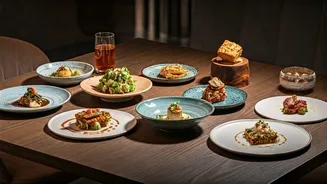
Food has become a primary, accessible stage for this phenomenon. A meal isn't just fuel; it's a form of entertainment, a social activity, and an opportunity for discovery. Think about it. A bespoke cocktail at a speakeasy-style bar isn't just a drink; it's an evening's plot point. A trip to a farmers market to buy heirloom tomatoes is more than grocery shopping; it's a tactile, community-oriented event. This “experience economy” transforms a simple purchase into a memorable moment, and for that, younger consumers are often willing to pay a premium. The food itself is only part of the package; the ambiance, the service, the feeling of being somewhere unique—that's what they’re really buying.
The Power of a Good Story
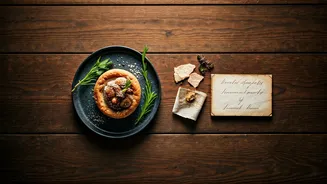
The single most powerful ingredient that can justify a higher price tag is a compelling narrative. Today’s special isn’t just special because it’s delicious; it's special because the chef foraged the mushrooms herself, the cheese comes from a fourth-generation family farm 50 miles away, or the company donates a portion of its profits to environmental causes. This is the currency of authenticity. Younger consumers are deeply skeptical of faceless corporations and mass-produced goods. They crave connection and transparency. A story provides that. It imbues a product with meaning and values. When a coffee shop can tell you the name of the farmer who grew the beans, it’s no longer just a cup of coffee; it’s a vote for a more equitable supply chain. This alignment of personal values with purchasing decisions makes the higher cost feel less like an expense and more like an investment in a world they want to live in.
If You Didn't Post It, Did You Eat It?
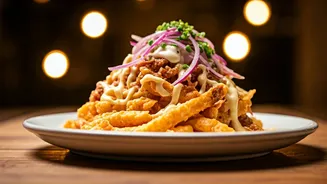
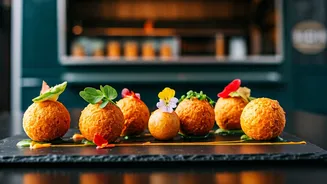
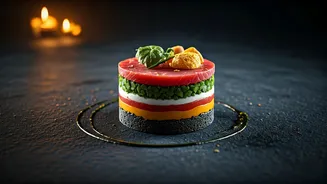
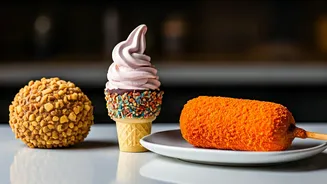
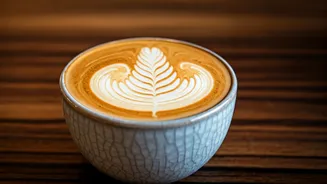
While it can be reductive to chalk everything up to social media, it’s impossible to ignore its influence. In a world documented on Instagram and TikTok, aesthetics are paramount. Food that is visually striking—or “Instagrammable”—has a built-in marketing advantage. The vibrant swirl of a smoothie bowl, the perfect “cheese pull” of a pizza slice, the artful foam on a matcha latte—these are visual assets. For the consumer, sharing these images is a form of social currency and self-expression. It signals taste, adventurousness, and being “in the know.” For businesses, this is free advertising. They understand that a dish's visual appeal can be as important as its flavor profile. This creates a feedback loop: restaurants design food to be photogenic, consumers pay for and share that food, which in turn drives more customers to the restaurant. The premium price covers not just the ingredients, but the cost of creating a shareable work of art.
The Thrill of the Chase
Finally, “special” often means scarce. Limited-time offers, seasonal ingredients, pop-up restaurants, and exclusive collaborations all tap into a powerful psychological driver: the fear of missing out (FOMO). Scarcity creates urgency and enhances desirability. If a particular pastry is only available on Saturdays in October, the perceived value skyrockets. This isn't just a marketing gimmick; it's a way of making consumption feel like a discovery. Younger consumers, particularly those in urban areas, are often on a quest for novelty. They want to be the first in their friend group to try the new ghost kitchen, to snag the viral croissant, or to taste a flavor combination they’ve never encountered before. This hunt for the new and the fleeting transforms eating from a routine into an adventure. The higher price is simply the cost of admission to that exclusive experience.