
First, What Is a Traditional Thali?
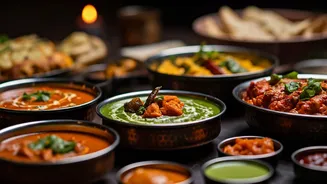
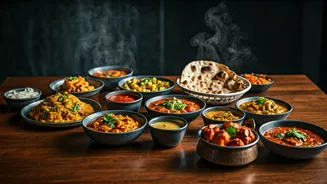
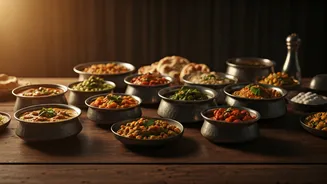
Before you can appreciate the remix, you need to know the original track. A thali (meaning “plate” or “platter” in Hindi) is the ultimate all-in-one meal. It’s not a single dish but a curated collection served on a circular tray. The concept is rooted
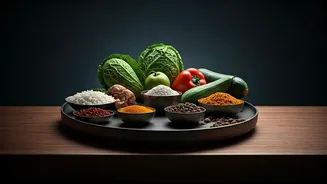
in Ayurvedic principles of balancing six key tastes: sweet, sour, salty, bitter, pungent, and astringent. A typical thali features a central serving of rice or flatbread (like roti or naan) surrounded by a constellation of small bowls called katoris. These bowls contain a variety of dishes: a lentil dal, a vegetable curry (sabzi), a yogurt raita, a pickle (achar), and often a small dessert. The combination varies dramatically by region—a coastal Goan thali is heavy on seafood and coconut, while a Gujarati thali is known for its sweet and savory vegetarian notes. It’s a meal that’s both a daily staple and a celebratory feast, representing abundance, balance, and regional pride.
The Makeover: Deconstructed and Instagram-Ready
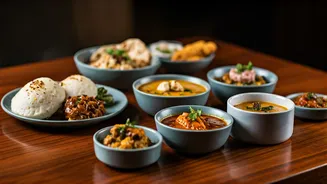
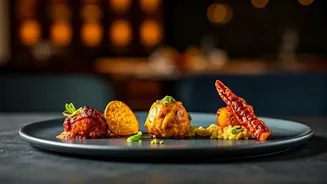
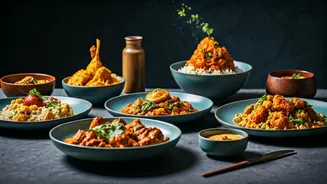
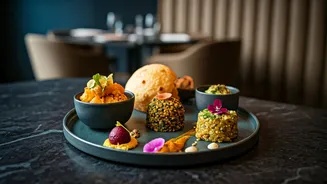
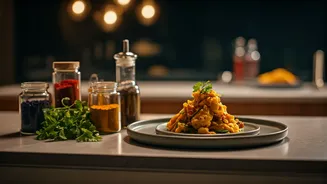
So, what does a Gen Z makeover look like? For starters, it’s visual. The classic, bustling steel platter is being reinterpreted with a minimalist, social-media-first aesthetic. Picture a sleek ceramic plate where a dollop of vibrant chutney is artfully smeared next to a perfectly molded dome of quinoa instead of rice. The katoris might be replaced by a bento-box-style compartmentalization or disappear entirely in favor of a “thali bowl” that layers components like a grain bowl. You’ll find brunch thalis featuring a tiny uttapam pancake alongside spiced avocado and a masala omelet. Restaurants and pop-ups are deconstructing the experience, focusing on fewer, more intensely flavored components presented with fine-dining precision. It’s less about overwhelming quantity and more about curated, photogenic quality. The goal is to create something that looks as good on an Instagram grid as it tastes.
New Rules, New Ingredients
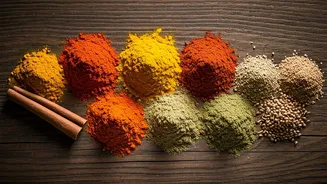
The changes aren’t just cosmetic. This new wave of creators is rewriting the ingredient list. While their parents and grandparents might have relied on specific, imported spices and vegetables to replicate the exact taste of home, younger chefs are confidently incorporating local, seasonal American produce. Think beet-infused raita, kale saag paneer, or a sweet potato sabzi. This isn’t just about convenience; it’s a philosophical shift. It asserts that Indian food doesn’t have to be a museum piece, perfectly preserved from the old country. It can adapt, evolve, and reflect its new environment. This approach also extends to dietary preferences. Vegan thalis, once a special request, are now a menu staple, with jackfruit subbing for meat and oat milk standing in for dairy. Gluten-free options using millet or quinoa are common. It’s a thali that meets the modern American diner where they are.
More Than a Meal: It's About Identity
This trend is about much more than food. For many second- and third-generation Indian Americans, reinventing the thali is an act of cultural reclamation. It’s a way to connect with their heritage on their own terms, free from the pressure of absolute “authenticity.” For years, diaspora food was often relegated to cheap buffets or seen as something you only ate at home. By plating it with style and intention, these young chefs and influencers are demanding a place for Indian cuisine in the broader American culinary conversation—from fast-casual spots to upscale dining rooms. They are challenging the notion that their ancestral food must be either strictly traditional or completely Westernized. Instead, they are creating a hybrid that is personal, innovative, and unapologetically their own. This new thali tells a story: “I am Indian, I am American, and this is what my food looks like.”