



The Paradise Paradox
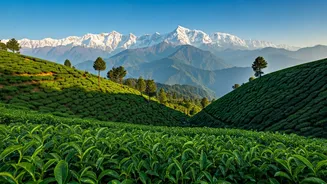
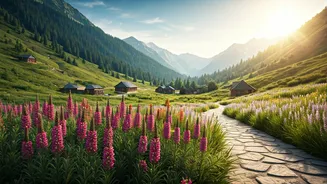
For over a century, Shimla has been India’s quintessential mountain getaway. Established as the summer capital of British India, the “Queen of Hills” offered a cool, pine-scented escape from the sweltering plains. Its pedestrian-only Mall Road, Victorian-Gothic
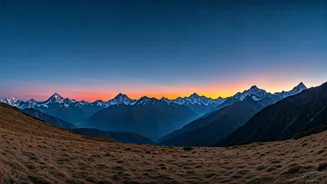
Christ Church, and stunning views of the snow-capped Himalayas have drawn generations of travelers. But that idyllic image is under increasing strain. Today, Shimla is a case study in the perils of overtourism. The very things that make it beloved are being threatened by the sheer volume of people who come to enjoy them. The town groans under the weight of traffic congestion, a mounting plastic waste crisis, and, most critically, severe water shortages that have become an unfortunate annual headline. This isn't a unique story—it's a narrative playing out in fragile, beautiful places around the world, from Venice to Zion National Park. The question for Shimla, and for all destinations like it, is how to balance economic reliance on tourism with environmental survival.
A Festival with a Mission
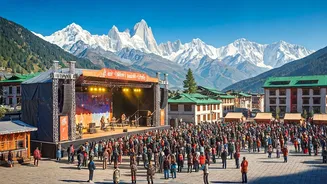
Enter the Shimla Summer Festival. Held annually on the town’s iconic Ridge, this multi-day event has long been a highlight of the tourist calendar, a vibrant celebration of music, food, and culture. For years, its purpose was simple: entertainment. But recently, a significant shift has occurred. Facing the tangible consequences of unchecked tourism, local authorities and organizers have begun to re-imagine the festival not just as a party, but as a platform. The new mission is to transform the event into a showcase for a different kind of tourism—one that is sustainable, responsible, and conscious of its footprint. The goal is to use the festival’s high visibility to educate both visitors and locals, proving that celebrating a place doesn’t have to mean destroying it. It’s an ambitious pivot from pure spectacle to public purpose.
Sustainability on the Ground
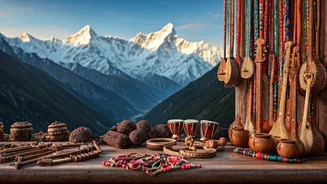
This new ethos isn't just talk; it's being put into practice in tangible ways. During the festival, organizers have been implementing a series of green initiatives aimed at tackling Shimla's biggest environmental pain points. One of the most visible efforts is the war on plastic. There are stricter enforcements of the state-wide ban on single-use plastics, with vendors encouraged to use biodegradable alternatives. Food stalls at the festival now heavily feature traditional Himachali cuisine made from local, organic ingredients, reducing the carbon footprint associated with transporting food and supporting local farmers. Beyond waste, the festival promotes conscious mobility. With the town’s main arteries already choked with cars, visitors are strongly encouraged to use the “lift” (a public elevator system connecting different levels of the town) and explore on foot. Events like “plogging” drives—where participants jog while picking up litter—combine wellness with environmental cleanup, turning conservation into a communal activity. The focus on local artisans and cultural troupes also serves a dual purpose: preserving intangible heritage while providing tourists with authentic, non-consumptive experiences.
A Model for Mountain Tourism
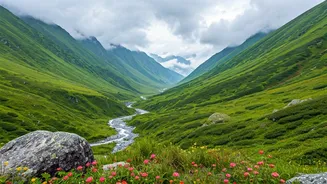
What Shimla is attempting with its summer festival is more than a local cleanup effort; it’s an experiment in creating a new blueprint for hill tourism. The challenges Shimla faces are endemic to mountain communities globally. The Himalayas, the Alps, the Andes, and the Rockies are all seeing their delicate ecosystems pressured by an influx of visitors seeking pristine nature, often leaving a not-so-pristine trail behind. By embedding sustainability into its premier cultural event, Shimla is testing a model that could be replicated. It demonstrates that a destination can actively shape tourist behavior and industry practices, rather than passively suffering their consequences. It reframes the visitor from a simple consumer to a potential partner in preservation. If a legacy event in a high-traffic town can successfully pivot toward sustainability, it sends a powerful message to other tourist hotspots that change is not only necessary, but possible.