




1. Grow a Personal 'Lawn' for Lounging
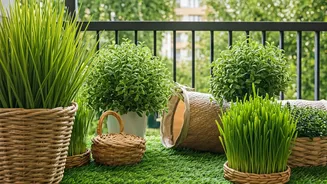
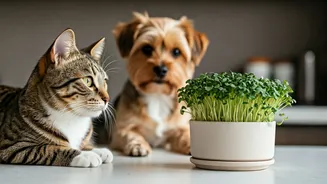
One of the simplest and most rewarding textures you can introduce is a patch of grass. Forget the manicured lawn; think of a small, personal meadow grown in a simple tray or shallow pot. Pet-safe grasses like wheatgrass, oat grass, or barley grass are
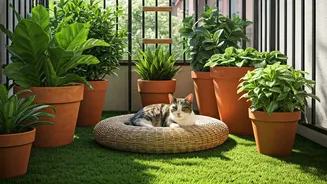
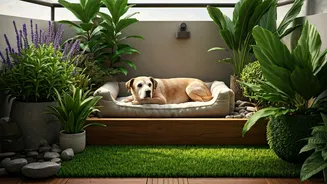
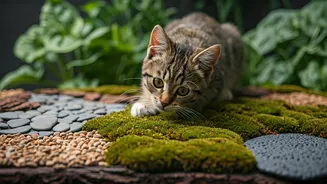
incredibly easy to grow from seed indoors and provide a lush, cool surface for cats and dogs to lie on, sniff, or even safely nibble. For a cat, it’s a tiny patch of jungle. For a small dog, it’s a comfortable, natural bed that smells of the outdoors. This small-scale “lawn” satisfies a primal need for a soft, earthy surface, directly borrowing the urban farming principle of maximizing small spaces for a green purpose. It offers tactile stimulation for their paws and a fresh scent that breaks up the monotony of indoor air.
2. Plant a Garden for Their Noses
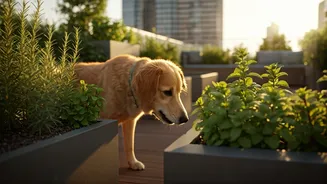
We experience the world through sight, but our pets navigate it primarily through smell. An urban herb garden can double as a sensory 'scent station' for your pet. While catnip and catmint are the obvious choices for felines, other aromatic herbs provide wonderful, safe stimulation for both cats and dogs. A pot of basil, parsley, or rosemary offers a complex bouquet of scents that enriches their environment. You don't need them to eat the plants (though many are safe in moderation); the act of sniffing is the enrichment. Allow them to gently explore the different fragrances under supervision. This practice mimics the way animals investigate their environment in the wild, using their powerful noses to gather information and stay mentally sharp. Just be sure to always verify a plant is non-toxic via the ASPCA's official list before introducing it.
3. Create a 'Crunchy' Foraging Box
The sound and feel of crunching leaves is a sensory delight many indoor pets miss. You can replicate this experience safely with a dedicated foraging box. Take a shallow cardboard box or a low-sided plastic bin and fill it with pet-safe materials. Dried, crinkly leaves from a non-toxic houseplant like a spider plant or prayer plant are perfect. You can also add empty paper towel rolls, pinecones (baked on low heat to clean them), or even a few of their favorite toys. Sprinkle a handful of their kibble or some high-value treats inside to encourage them to rustle through the textures to find their reward. This activity engages their paws, ears, and nose, satisfying their natural instinct to forage and hunt for food.
4. Offer Edible Textures from the Garden
Many plants grown in a container garden offer safe and interesting textures for pets to eat. A crunchy piece of a carrot top, a snap pea, or a small chunk of bell pepper can be a healthy and stimulating treat for a dog. Edible flowers like pansies, nasturtiums, or marigolds add both visual interest to your garden and a unique textural snack. For cats, a small nibble of a finely chopped strawberry top or a bit of melon can be a fun experience. The key here is moderation and safety. These shouldn't replace their balanced diet, but serving as an occasional treat, they provide a novel taste and texture that connects them to the 'produce' you're growing. It’s a shared harvest that benefits everyone in the household.
5. Build a Safe and Sanctioned Dig Pit
Does your dog try to dig into the couch cushions? Does your cat treat your fiddle-leaf fig like their personal litter box? This is a clear sign of an unmet instinct. Urban farming provides the perfect solution: a container garden. Dedicate a medium-sized pot or a sturdy storage bin as a designated 'dig pit.' Fill it with a pet-safe substrate, like clean, organic topsoil (free from chemical fertilizers or pesticides) or sterile coconut coir. You can bury a durable chew toy inside to make it even more exciting for your dog. This sanctioned spot allows them to engage in natural digging behavior without destroying your home or garden. It gives them a productive, physical outlet for their energy and instincts—a win-win for pets and their owners.