






Rediscover the Power of Walking
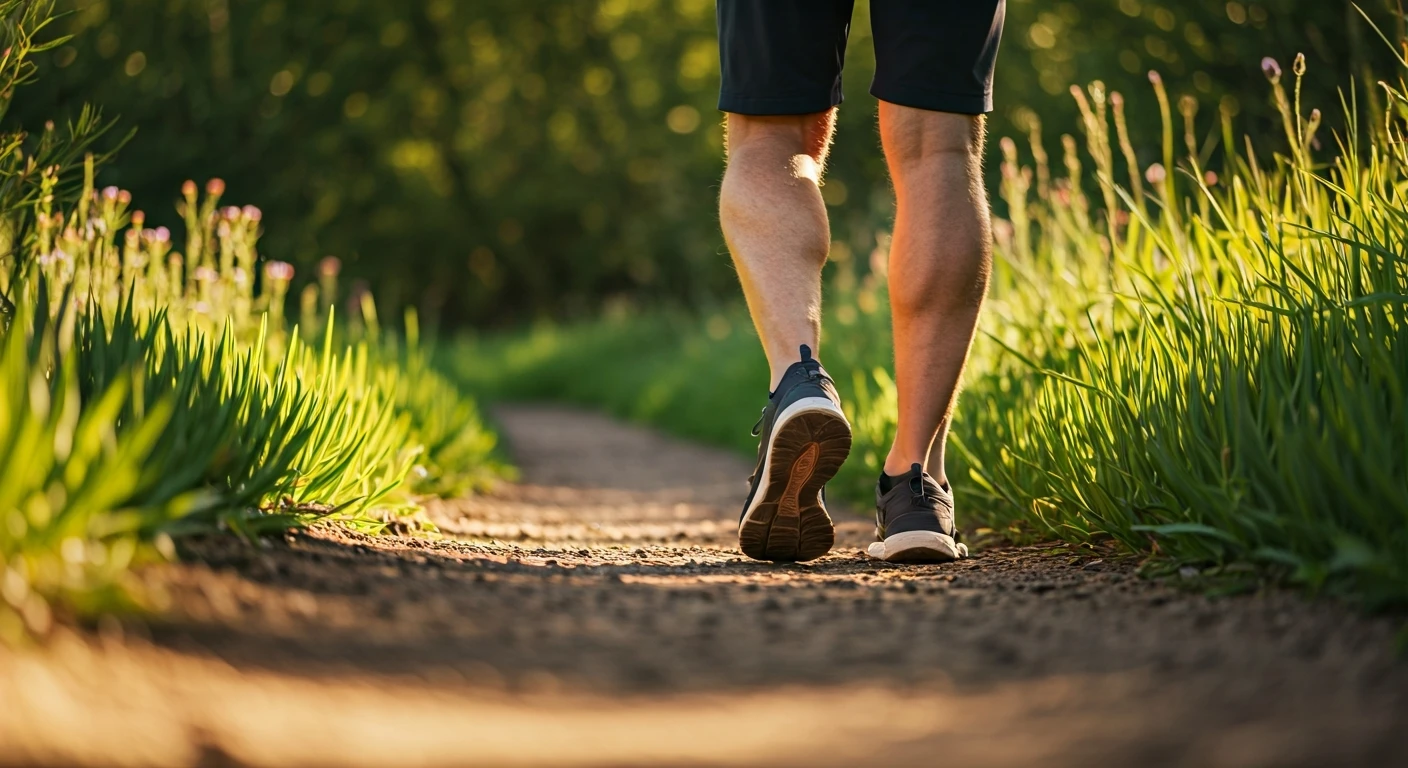
It’s the most underrated form of exercise. Walking is free, accessible to most people, and incredibly effective. The Centers for Disease Control and Prevention (CDC) recommends 150 minutes of moderate-intensity aerobic activity a week, and brisk walking
absolutely counts. But you don't have to start there. Begin with 10-minute walks and gradually increase your duration and pace. Turn it into a habit: walk during your lunch break, take calls while pacing, or institute a post-dinner family stroll. Beyond the physical benefits—like improved cardiovascular health and weight management—walking is a powerful tool for mental clarity, reducing stress and boosting your mood. Instead of seeing it as a chore, frame it as dedicated time for yourself to decompress and connect with your surroundings.
Turn Your Home into a Personal Studio
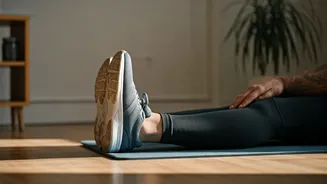
Your living room has more potential than you think. Bodyweight exercises are a cornerstone of fitness, requiring nothing but you and a bit of floor space. Planks, push-ups (on your knees is a great start), squats, lunges, and crunches can be combined to create a full-body workout. The key is form and consistency. Thousands of free, high-quality workout videos are available on platforms like YouTube, catering to every fitness level and interest, from high-intensity interval training (HIIT) to gentle yoga and Pilates. You can find 15-minute routines for busy mornings or 45-minute sessions for the weekend. This approach eliminates travel time and allows you to work out in a comfortable, private environment without worrying about what anyone else is doing.
Find Your Playground in Nature
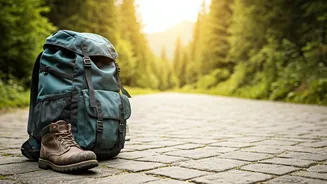
The great outdoors is the original gym. Hiking combines the cardio of walking with the strength-building challenge of uneven terrain and inclines. It’s also a proven stress-buster, with studies showing that spending time in nature can lower cortisol levels. Look up local trails on apps like AllTrails and start with something marked 'easy.' Beyond hiking, you can dust off your old bicycle for a ride through the park, go for a run on a local track, or even find outdoor fitness parks with equipment for calisthenics. In warmer months, swimming in a lake or the ocean provides a fantastic, low-impact, full-body workout. Connecting your fitness to nature makes it feel less like a workout and more like an adventure.
Embrace Play and Community
Who said fitness has to be repetitive and solitary? Think back to what you enjoyed as a kid. Was it shooting hoops, kicking a soccer ball, or dancing? Join a recreational sports league in your community. These leagues are often designed for adults of all skill levels and are more focused on fun and socializing than on intense competition. Taking a dance class—whether it’s salsa, hip-hop, or ballroom—is another fantastic way to get your heart rate up while learning a new skill. The social component is a powerful motivator; when you’re having fun with other people, you’re more likely to stick with it. It’s exercise in disguise.
Incorporate 'Exercise Snacks'
One of the biggest hurdles to fitness is the all-or-nothing mindset that suggests you need a solid, uninterrupted hour to make it count. This simply isn't true. 'Exercise snacks' are short bursts of activity spread throughout the day. The concept is simple: take five or ten minutes to do something active. This could be a set of squats while waiting for your coffee to brew, a quick walk around the block between meetings, or holding a plank during a commercial break. These small efforts add up, keeping your metabolism engaged, improving circulation, and breaking up the negative effects of a sedentary day. A 10-minute 'snack' is far better than a zero-minute workout you never got around to.