





A New Current in Global Travel
Japan is experiencing a remarkable tourism boom, and one of the most interesting new currents in that wave is coming from India. While travelers from India have long visited Japan for business or traditional sightseeing, travel agencies and tourism officials
are reporting a significant shift. Post-pandemic, a younger, more pop-culture-savvy demographic is leading the charge. The Japan National Tourism Organization (JNTO) has noted a sharp recovery and growth in visitors from India, often outpacing pre-COVID figures. But numbers only tell part of the story. The motivation behind these trips is what’s truly fascinating—a deep and passionate connection to Japanese pop culture, particularly anime and manga.
The Streaming Revolution Hits Home
This trend isn't happening in a vacuum. For years, anime was a niche interest in India, accessible only to the most dedicated fans. The game changed with the global rise of streaming platforms. Services like Netflix and, most notably, Crunchyroll, have made enormous libraries of anime legally and easily accessible with subtitles and even Hindi dubs. Suddenly, shows like *Jujutsu Kaisen*, *Demon Slayer*, *Attack on Titan*, and classics like *Naruto* and *One Piece* went from underground hobbies to mainstream phenomena, discussed widely on social media among millions of young Indians. This digital access created a generation of fans who aren't just watching a show; they’re immersing themselves in its world.
Pilgrimage to Anime's Sacred Sites
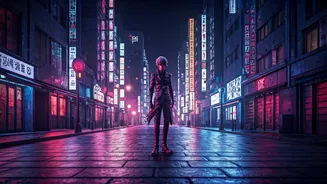
For these new fans, a trip to Tokyo is less a vacation and more of a pilgrimage. The Japanese have a term for this: *seichi junrei*, or “sacred site pilgrimage,” where devotees visit the real-world locations featured in their favorite anime or manga. Indian travelers are now joining this tradition in droves. Tokyo's Shibuya district, with its iconic scramble crossing, has become a must-visit for fans of *Jujutsu Kaisen* and *Tokyo Revengers*. The stairs featured in the heartfelt finale of the film *Your Name* are now a popular photo spot. Tourists are specifically seeking out the neighborhoods, train stations, and parks they’ve only seen in animated form, creating a powerful link between fiction and reality. This desire to literally walk in the footsteps of their heroes is a potent travel motivator that traditional itineraries often miss.
Beyond the Screen: A Broader Cultural Appetite
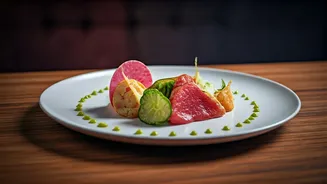
While anime is the primary driver, this boom is indicative of a broader appetite for Japanese culture. These pop-culture tourists are also diving headfirst into Japanese cuisine, seeking out ramen shops and sushi bars they've seen characters enjoy. They’re flocking to stores like Uniqlo for its popular anime-themed T-shirt collaborations and browsing the multi-story anime merchandise shops in Akihabara. This creates a feedback loop: the media they consume inspires the trip, and the trip, in turn, deepens their appreciation for the culture. Japanese businesses are beginning to take notice, recognizing a passionate and free-spending demographic eager to engage with authentic experiences tied to their fandoms. It’s a powerful demonstration of “soft power,” where cultural exports become a country’s most effective tourism advertisement.