



The Ghost of Recalls Past
To understand today’s vigilant pet owner, you have to look back to 2007. That year, a massive pet food recall shook the industry to its core. Contaminants, specifically melamine, were found in pet food ingredients sourced from China, leading to the sickness
and death of thousands of dogs and cats across North America. This event was a watershed moment. It shattered the public’s blind trust in big-name brands and created a generation of owners who suddenly felt they had been betrayed. The takeaway was simple and terrifying: the supply chain was vulnerable, and the consequences were dire. This collective trauma still echoes in every forum discussion about ingredient origins. Every question about where a brand’s chicken is farmed or its peas are grown is a direct legacy of this industry-wide failure.
Pets Are People, Too (Sort Of)
Over the past two decades, a quiet but profound cultural shift has occurred: pets have been promoted. They are no longer just animals that live in our homes; for millions, they are bona fide family members. This trend, often called the “humanization of pets,” has a direct impact on the contents of their food bowls. As consumers, we have become more conscious of our own diets, seeking out organic, non-GMO, and locally sourced foods. We read labels, avoid preservatives, and prize transparency. It was only a matter of time before this wellness-focused mindset was projected onto our pets. If we wouldn’t eat mysterious “meat by-products” or foods loaded with unpronounceable chemicals, why would we feed them to a beloved member of our family? The desire for “human-grade” pet food isn’t just a marketing gimmick; it’s a natural extension of this emotional bond.
Learning to Read the Label
The online obsession with pet food has created a new kind of literacy among owners. Forums and social media groups have become classrooms for decoding ingredient labels. Novices learn to scrutinize the order of ingredients (is a protein or a cheap filler listed first?). They debate the merits and drawbacks of common components. Terms that were once industry jargon are now part of the pet owner lexicon. “By-products” are often viewed with suspicion, seen as low-quality leftovers. “Grain-free” became a massive trend, driven by the belief that grains are unnatural fillers for carnivores (a topic of ongoing debate among veterinarians). Now, you see discussions around “single-source protein” for allergies, the benefits of “cold-pressed” processing, and the ethics of sourcing. This empowerment through information, whether perfectly accurate or not, gives owners a sense of control in an area where they previously felt powerless.
A Market of Mistrust
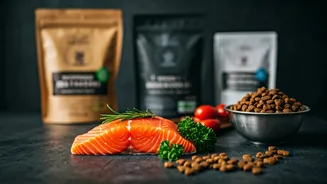
Where there is distrust in giants, there is opportunity for newcomers. The skepticism toward legacy pet food brands created a perfect opening for a wave of niche, premium, and direct-to-consumer companies. These brands built their identity around what the big companies seemingly lacked: transparency. They tell stories about their ingredients, featuring photos of the farms where their beef is raised or the fishermen who catch their salmon. They market themselves on being “ancestral,” “biologically appropriate,” or “gently cooked.” While their marketing is savvy, they are speaking directly to the fears and desires of the modern pet owner. The proliferation of these brands fuels the online conversation, as owners share their experiences, compare results, and passionately advocate for the food that they believe transformed their pet’s health, coat, or energy levels.