


The Science of Drowning
It’s one of gardening’s great ironies: the very thing plants need to survive is often what kills them. We’re so afraid of our plants drying out that we give them too much of a good thing. The result is 'wet feet,' a gentle-sounding term for the fatal
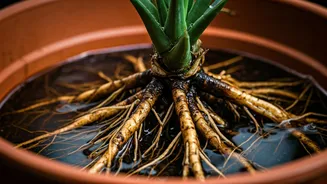
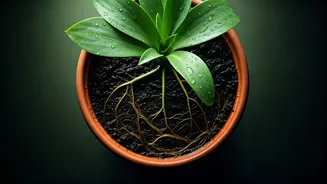
condition of waterlogged roots. Plant roots aren’t just straws for sucking up water; they also need to breathe. Soil is full of tiny air pockets that provide roots with the oxygen they require for respiration—the process of converting sugars into energy. When you overwater, these air pockets fill up with water, effectively drowning the roots. Deprived of oxygen, root cells begin to die. This creates a perfect breeding ground for opportunistic fungi and bacteria, leading to the dreaded condition known as root rot.
Spotting the Deceptive Signs
The cruelest part of overwatering is that its symptoms often mimic those of underwatering. A plant with waterlogged roots will often look thirsty, with wilting, yellowing, or drooping leaves. Confused, a well-meaning gardener might see the wilt and think, 'Oh, it needs more water!'—inadvertently speeding up the plant’s demise. So how do you tell the difference? Look for context clues. Is the soil consistently damp or even soggy to the touch? Are the lower leaves turning yellow first? Do you see fungus gnats—those tiny, annoying flies—hovering around the base of the plant? You might also notice a musty, sour smell coming from the soil. These are all classic red flags that the problem isn't a lack of water, but a suffocating excess of it.
The Usual Suspects: Pot and Soil
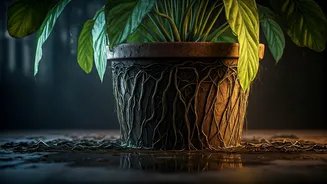
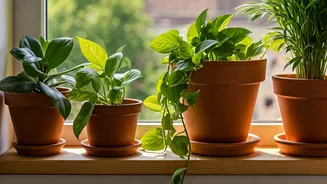
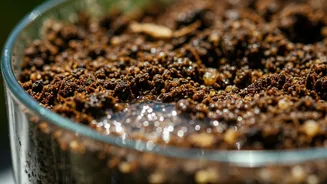
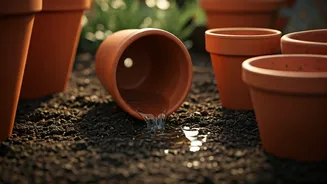
While your watering habits play a role, the problem often starts with the plant's environment. The two biggest accomplices in this crime are improper pots and poor soil. A container without a drainage hole is a death sentence for most plants. It turns the bottom of the pot into a swamp, guaranteeing that roots will sit in stagnant water. Even if a pot has a hole, it can be blocked or insufficient. Decorative pots that don't have drainage are meant to be used as 'cachepots'—you're supposed to keep the plant in its plastic nursery pot and place it inside the prettier one, removing it to water. Heavy, compacted soil is the second major issue. Standard garden soil or dense potting mixes can retain too much moisture and lack the air pockets that roots need. This is especially true for indoor plants. The best potting mixes for containers include ingredients like perlite, vermiculite, or bark chips specifically to improve drainage and aeration.
How to Water the Right Way
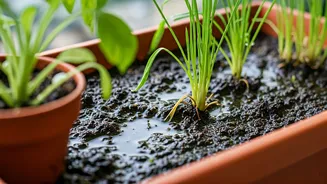
The golden rule of watering is simple: check the soil, not the calendar. Don't water on a rigid schedule. Instead, learn to read your plant's needs. The easiest way is the 'finger test.' Stick your index finger about two inches into the soil. If it comes out clean and dry, it’s time to water. If soil sticks to your finger, wait a few more days and check again. When you do water, do it thoroughly. Drench the soil until water runs freely from the drainage hole. This encourages deep root growth. After a good soak, be sure to empty any saucer or cachepot so the plant isn't sitting in runoff. The goal is to make the soil moist, not saturated. This 'drench and dry' method is far more effective than giving the plant little sips of water every day, which promotes shallow, weak roots.
Your Plant Rescue Plan
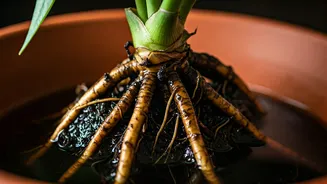
What if you suspect root rot has already taken hold? It may be possible to save the plant if you act fast. Gently remove the plant from its pot and inspect the roots. Healthy roots are firm and typically white or light-colored. Rotted roots will be brown or black, mushy, and may fall apart when you touch them. They’ll often have a foul odor. Using a clean, sharp pair of scissors or pruners, carefully trim away all the dead, mushy roots. Be ruthless—leaving any rot behind will allow it to spread. If you had to remove a significant portion of the root ball, you should also prune back about a third of the plant's leaves. This reduces the stress on the remaining roots, which now have less foliage to support. Finally, repot the plant in a clean pot with fresh, well-draining potting mix and a proper drainage hole. Water it lightly and place it in a spot with indirect light while it recovers.