






From Trash to Treasure
In many parts of the world, especially across the Indian subcontinent, wasting any part of a fruit or vegetable is unthinkable. This resourceful mindset, born from both necessity and a deep respect for ingredients, has given rise to incredible culinary
innovations. The practice of turning watermelon rinds into a pickle, known in Hindi as 'tarbooz ke chhilke ka achar,' is a perfect example. The rind, which has a wonderfully crisp, cucumber-like texture when cooked, is a blank canvas. It readily absorbs the bold, complex flavors of spices, transforming from a bland byproduct into a condiment that is salty, sour, spicy, and utterly addictive. By making this pickle, you’re not just reducing food waste; you're participating in a long and delicious tradition of culinary ingenuity. It’s a simple act that connects your modern American kitchen with generations of resourceful Desi home cooks.
Gather Your Ingredients
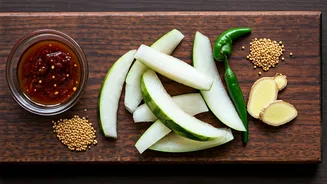
This recipe uses common South Asian pantry staples. If you don't have an Indian grocery store nearby, most of these spices are available in the international aisle of larger supermarkets or can be easily found online. * Rind from half a medium watermelon (about 4 cups, chopped) * 2-3 tablespoons salt, plus more for prepping * 1/4 cup mustard oil (or a neutral oil like canola if you prefer a milder taste) * 1 teaspoon mustard seeds * 1 teaspoon fenugreek seeds * 1/2 teaspoon asafoetida (hing) * 1/2 teaspoon turmeric powder * 1-2 teaspoons red chili powder (like Kashmiri, adjust to your heat preference) * 2 tablespoons white vinegar or lemon juice * 1 tablespoon jaggery or brown sugar (optional, for balance)
The Simple, Flavorful Process
Making the pickle is a straightforward process that involves prepping the rind and then tempering it with spices. Don't be intimidated by the list of ingredients; it comes together quickly. **1. Prepare the Rind:** Using a vegetable peeler, remove the tough, dark green outer skin from the watermelon rind. Cut the remaining pale green/white part into small, bite-sized cubes (about 1/2 to 3/4 inch). Place the cubes in a bowl, toss with 2 tablespoons of salt, and let them sit for about an hour. This step draws out excess water, ensuring a crisp pickle. After an hour, rinse the rinds thoroughly under cold water and pat them completely dry with a clean kitchen towel. **2. Bloom the Spices:** Heat the mustard oil in a heavy-bottomed pan or skillet over medium heat. Once the oil is hot (it will shimmer slightly), add the mustard seeds. When they begin to pop and sputter, add the fenugreek seeds and asafoetida. Stir for about 10-15 seconds until fragrant. **3. Cook the Pickle:** Immediately add the dried watermelon rind cubes to the pan. Stir well to coat them in the spiced oil. Add the turmeric and red chili powder, stirring continuously for about 2-3 minutes. You want to cook the raw taste out of the spices without burning them. Lower the heat if necessary. **4. Finish and Cool:** Add the remaining salt (start with 1 teaspoon), vinegar or lemon juice, and optional sugar. Stir everything together and cook for another minute. Turn off the heat and let the pickle cool completely in the pan. The flavors will meld and intensify as it cools.
How to Serve and Store
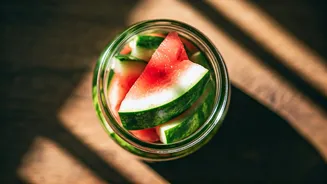
Once cooled, transfer your watermelon rind pickle to a clean, airtight glass jar. It can be enjoyed immediately, but the flavors will deepen and improve after a day or two in the refrigerator. This pickle is incredibly versatile. Its tangy, spicy crunch is a perfect accompaniment to a simple meal of dal and rice. It can add a surprising and delightful kick to a grilled cheese sandwich or a burger, much like a classic bread-and-butter pickle, but with a more complex flavor profile. Try it on a cheese board alongside sharp cheddar or creamy goat cheese, or simply serve it as a condiment with roasted meats or vegetables. Stored in the refrigerator, the pickle will last for several weeks, giving you plenty of time to find your favorite way to enjoy it.