



The Old Definition of 'Flex'
Remember the fitness culture that dominated the 2010s? It was loud, intense, and deeply performative. Influencers posted staggering deadlift numbers, marathon finish-line photos, and before-and-after shots that promised radical transformation was just
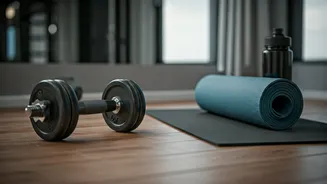
a six-week shred away. The prevailing ethos was 'no pain, no gain,' and the ultimate 'flex' was an aesthetic one—a six-pack, sculpted shoulders, or the visible proof of extreme discipline. This culture, largely shaped by Millennial 'hustle' mentality, framed exercise as a battle to be won. Rest days were for the weak, and pushing through pain was a badge of honor. It was a culture of peaks: the peak lift, the peak race time, the peak physical form. But maintaining those peaks is exhausting, and for many, ultimately unsustainable.
The Pivot to Process Over Peak
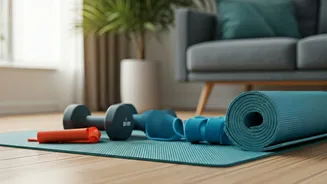
Enter Generation Z, a cohort that came of age with a front-row seat to the burnout caused by that very culture. For them, the definition of a 'flex' is quietly but radically shifting. It’s no longer about the single, shareable moment of triumph. Instead, the real status is found in the unglamorous, un-shareable act of consistency. The new flex is the 15-minute 'cozy cardio' session on a Tuesday night. It’s the daily 'hot girl walk' that’s more about clearing your head than burning calories. It's choosing a low-impact Pilates class over a high-intensity interval session because it’s what your body needs. This isn’t laziness; it’s a strategic re-evaluation of what fitness is for. It’s about playing the long game, prioritizing sustainability over intensity, and valuing the process itself, not just the outcome.
Mental Health Over Max Reps
This shift isn't happening in a vacuum. It’s rooted in Gen Z's well-documented prioritization of mental health. Where previous generations saw exercise primarily as a tool for physical change, Gen Z largely views it as a tool for mental and emotional regulation. A 2022 report by the fitness company Les Mills found that for 77% of Gen Z who exercise regularly, the primary motivation is improving their mental health. They are the first generation to grow up with a widespread public discourse around anxiety, depression, and burnout. Consequently, they gravitate toward forms of movement that feel restorative, not punishing. A grueling workout can spike cortisol and add stress to an already overloaded nervous system. A gentle walk, a mindful yoga flow, or a fun dance class, however, can be a powerful antidote. The goal is to feel better, not just to look better.
Rejecting the Perfectionist Trap
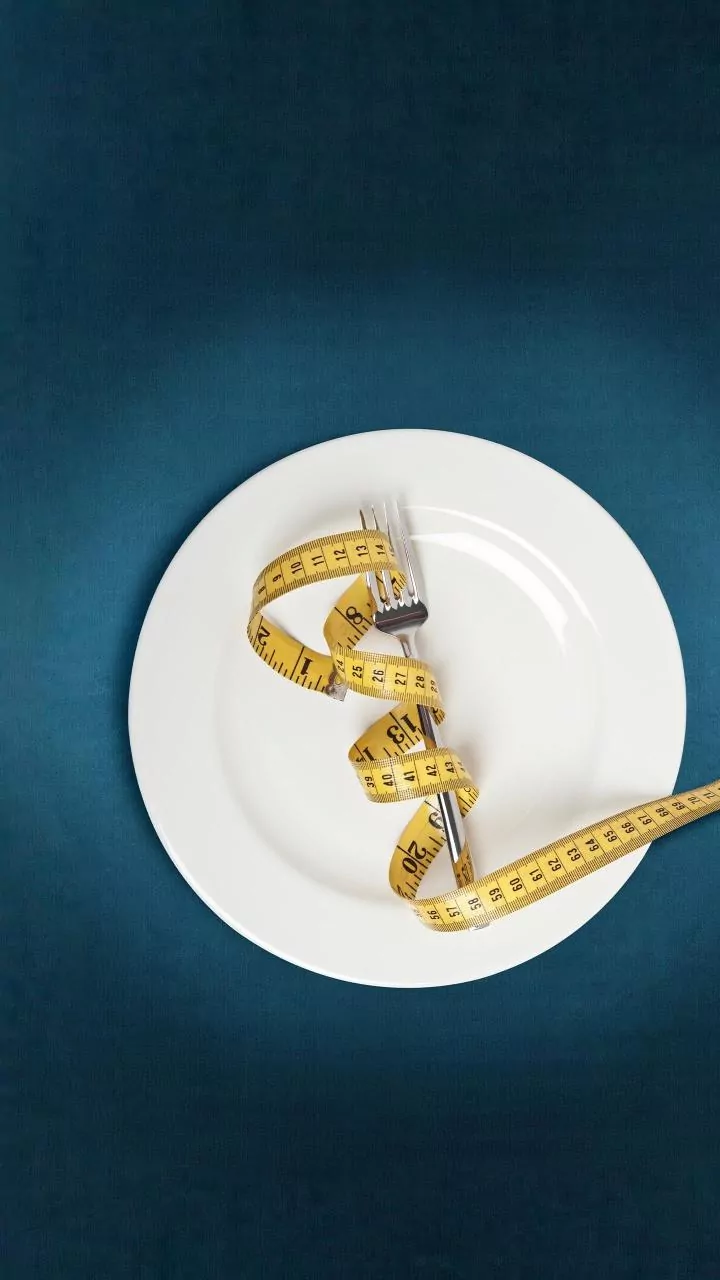
This new fitness mindset is also a direct rebellion against the culture of perfection that thrived on platforms like Instagram. The hyper-curated feeds of impossibly fit bodies and restrictive 'what I eat in a day' videos have created a counter-movement toward authenticity and realism. Gen Z is more drawn to influencers who talk about skipping a workout because they were tired, who show their unfiltered bodies, and who promote balance over obsession. The idea of a 'rest day' is being reclaimed not as a failure but as a crucial part of the process. This rejection of an all-or-nothing approach makes fitness more accessible. If you miss a workout, you haven’t 'fallen off the wagon.' You just pick it back up tomorrow. This grace makes consistency possible, because the pressure to be perfect is removed.