






The Familiar Tale of the 3 PM Face
You’ve been there. You catch a glimpse of yourself in a reflective surface—a car window, your phone screen—and barely recognize the person staring back. The smooth, even canvas you painstakingly created this morning has devolved into what can only be described
as a “midday meltdown.” Your foundation has settled into fine lines, your T-zone is shining bright enough to guide ships to shore, and your concealer has simply vanished. It’s a frustrating cycle that can make you feel like you’re wasting expensive products and precious time. This phenomenon isn't your fault, and it’s not necessarily a sign you need a new $60 foundation. More often than not, it’s about how your skin’s natural oils interact with your makeup over several hours. As your skin produces oil, it breaks down the foundation from underneath, causing it to slip, separate, and fade.
The Solution: Reverse Your Routine
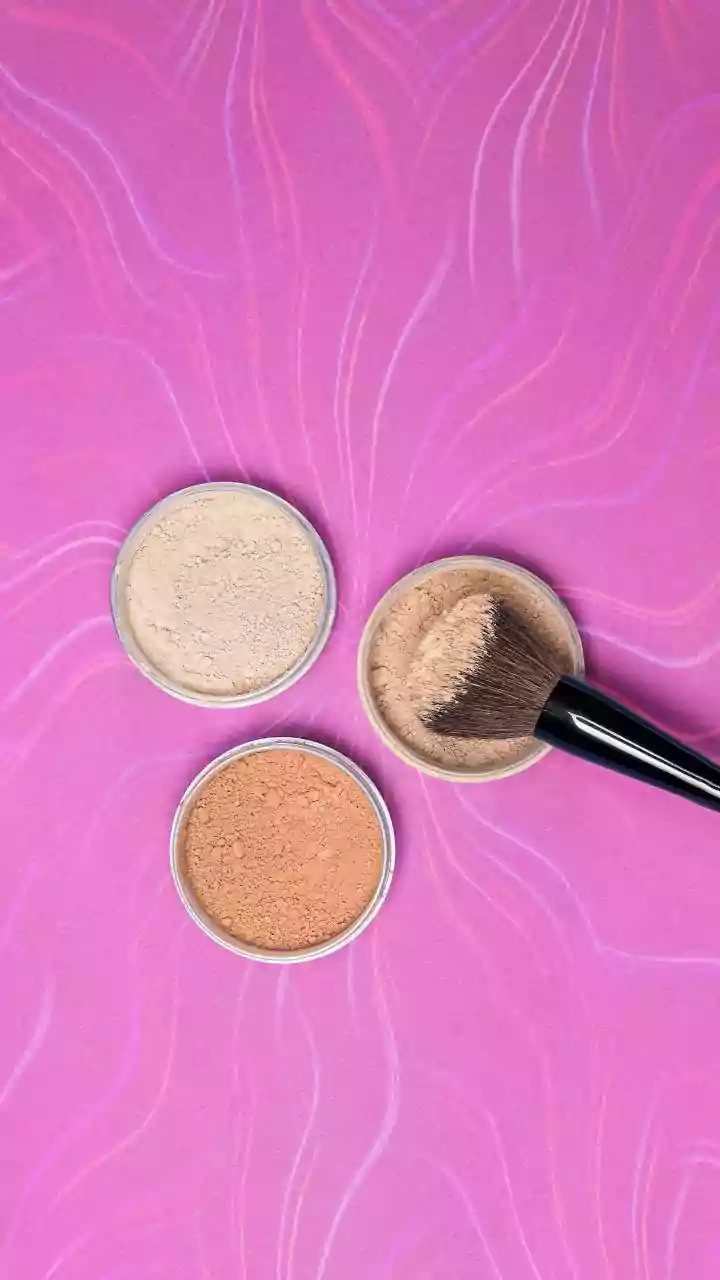
The secret to preventing this doesn't lie in a mythical, bulletproof primer you haven't discovered yet. Instead, it’s a technique that flips a fundamental makeup rule on its head. The hack is this: apply a light dusting of translucent setting powder *before* you apply your liquid foundation, not after. This technique, often credited to veteran makeup artist Wayne Goss, essentially creates a primer-like barrier using a product you already own. By putting down a fine layer of powder first, you’re giving your skin’s oils something to be absorbed by throughout the day. It’s a shield that sits between your skin and your foundation, protecting your makeup from the very thing that usually destroys it. It sounds strange, even wrong, but this simple reversal is the key to all-day wear.
Your Step-by-Step Guide to the Hack
Ready to try it for yourself? The process is simple and adds less than a minute to your routine. 1. **Prep Your Skin as Usual:** Start with your normal skincare routine. Cleanse, apply your serums, and most importantly, moisturize. Let your moisturizer fully absorb for a few minutes. This ensures your skin is hydrated and prepped. 2. **Apply Translucent Powder:** Using a large, fluffy brush, pick up a small amount of a fine, translucent setting powder. Tap off any excess—this is crucial. You want a barely-there veil, not a thick, cakey layer. Lightly dust the powder all over your face, focusing on areas where you tend to get oily, like your T-zone. 3. **(Optional) Add a Setting Spray:** For extra staying power, you can lightly mist your face with a setting spray after applying the powder and before moving on to foundation. Let it dry completely. 4. **Apply Your Foundation:** Using your preferred method—a beauty sponge, brush, or your fingers—gently apply your liquid foundation over the powdered base. You’ll notice the foundation glides on smoothly, creating a soft-focus, almost airbrushed finish. Stipple or press the foundation into the skin rather than dragging or rubbing, which can disturb the powder underneath. Finish the rest of your makeup as you normally would.
Making It Work for Your Skin Type
While this technique is a holy grail for those with oily or combination skin, it can be adapted for almost anyone. The key is moderation and knowing your skin. * **For Oily Skin:** You can be a bit more generous with the powder, especially in the T-zone. This method will likely be a game-changer for controlling shine all day long. * **For Combination Skin:** Focus the powder application only on the oily parts of your face, typically the forehead, nose, and chin, leaving the drier areas like your cheeks bare until you apply foundation. * **For Dry Skin:** This hack can still work for you, but with a few adjustments. First, ensure your skin is exceptionally well-moisturized. Second, use a very minimal amount of powder—just the lightest whisper. You might also opt for a more hydrating powder formula if you can find one. If you find it too drying, this might be a trick you save for special occasions when longevity is paramount, rather than for daily wear. * **For Mature Skin:** The fear with powder is that it will settle into fine lines. However, because you are using such a fine, light layer *under* your foundation, it can actually have the opposite effect, creating a smoother canvas that prevents liquid makeup from creasing later.