



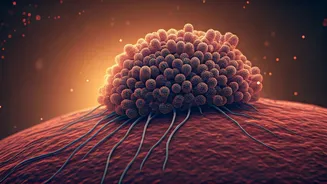
The Probiotic Gold Rush
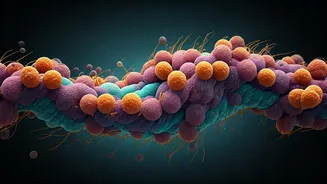
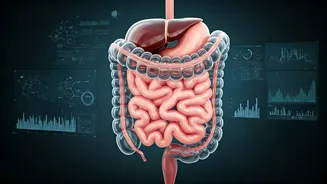
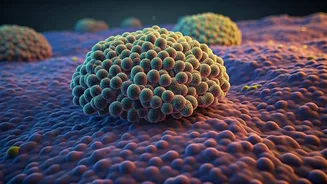
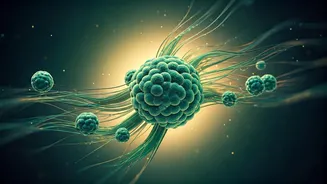
Let's be clear: probiotics aren't 'bad.' The concept is sound. Your gut is home to trillions of microbes—a complex ecosystem called the microbiome—and some of them are incredibly beneficial. Probiotics are live microorganisms, typically bacteria, that
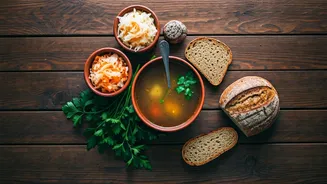
are thought to provide a health benefit when consumed. Think of the live cultures in yogurt or kimchi, or the countless supplements lining pharmacy shelves. The idea was simple: our modern lifestyles deplete our good bacteria, so we should replenish the supply. This led to a multi-billion dollar market and a generation of consumers who equate 'gut health' with 'probiotics.' But scientists now understand that just parachuting in new bacteria isn't always the most effective strategy. It’s like trying to reforest a barren landscape by just scattering a few seeds from a plane; some might take root, but it doesn't guarantee a thriving forest.
Enter Prebiotics: Fuel for Your Native Microbes
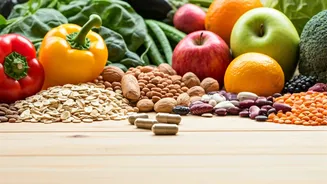
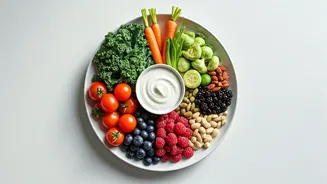
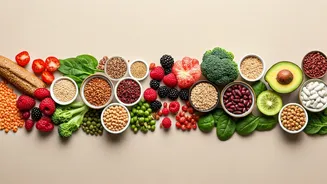
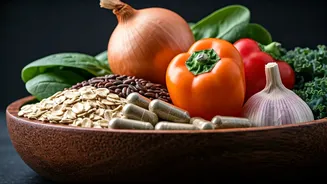
If probiotics are the seeds, prebiotics are the fertilizer. Instead of introducing foreign bacteria, the focus on prebiotics is about nourishing the beneficial microbes you already have. Prebiotics are specialized plant fibers that your body can't digest. They pass through your system to the large intestine, where they become food for your native gut bacteria. When your good microbes feast on these fibers, they thrive and multiply. This approach is seen by many experts as a more personalized and sustainable way to improve your gut ecosystem. You’re not guessing which new bacteria might help; you're strengthening the home team. You're already consuming prebiotics if you eat foods like onions, garlic, bananas (especially greener ones), asparagus, and whole grains. The recent surge in 'gut-friendly' sodas and snacks is largely driven by added prebiotic fibers like inulin or oligofructose.
The New Kid: Postbiotics
This is where the science gets really interesting. If probiotics are the factory workers and prebiotics are their lunch, then postbiotics are the valuable goods they produce. Postbiotics are the bioactive compounds that are created when probiotic bacteria digest prebiotic fibers. These substances include short-chain fatty acids (like butyrate), enzymes, and other cellular components. Researchers are discovering that many of the health benefits we once attributed solely to probiotics might actually be coming from the postbiotics they create. These compounds can help strengthen the gut lining, reduce inflammation, and influence the immune system. The exciting part for product developers is that postbiotics are not alive. This makes them more stable and easier to add to a wider range of foods and supplements without worrying if the microbes will survive processing or the journey through your stomach.
What This Means for You
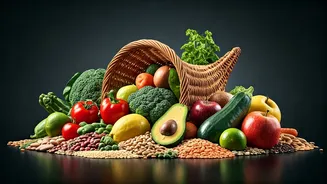
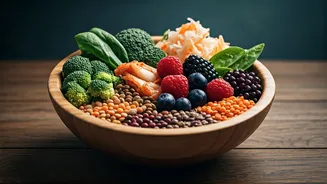
So, should you throw out your probiotic yogurt? Not necessarily. But it’s time to think about gut health more holistically. The shift from a probiotic-only focus to a broader 'biotics' framework—including pre- and postbiotics—is about moving from a simple fix to ecosystem support. Instead of just trying to add good bugs, the new goal is to create an environment where your own unique set of good bugs can flourish. For the average person, this doesn't mean you need to rush out and buy a bunch of new supplements. The foundation of a healthy microbiome remains what it has always been: a diverse, fiber-rich diet. Eating a wide variety of fruits, vegetables, legumes, and whole grains naturally provides the prebiotics your gut needs. Fermented foods provide a source of probiotics. The science of postbiotics is still emerging, but a gut that’s well-fed with prebiotics will be busy producing them on its own.