




More Than a USB Port
Let’s get one thing straight: smart furniture isn’t just about adding a charging port to a nightstand. While that was an early, primitive form, the current boom is centered on something far more ambitious. True smart furniture integrates technology into
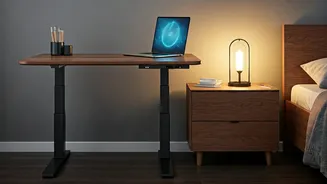
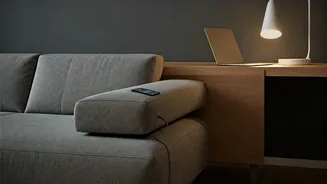
its core function to solve a problem or enhance an experience. We’re talking about furniture that is connected, often to the internet or your smartphone; responsive, adjusting based on your needs or schedule; and data-driven, learning your habits to improve your environment. A smart desk might not just have a built-in wireless charger, but also motorized legs that automatically adjust to your preferred sitting and standing heights, reminding you via a phone notification when it’s time to switch. A smart bed won’t just hold your mattress; it will actively cool or heat itself based on your sleep phases and provide a detailed report on your sleep quality. This is the new baseline: furniture that does a job.
The Work-From-Home Catalyst
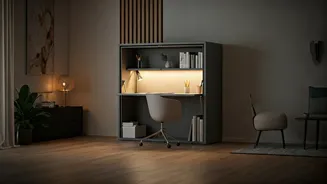
So, why is this happening now? The most significant driver has been the massive, pandemic-accelerated shift to remote and hybrid work. When the home office became the permanent office for millions of Americans, the rickety card table in the corner was no longer sufficient. People began investing serious money into creating ergonomic, productive, and comfortable workspaces. This created a perfect market for smart desks. Companies like Autonomous, Uplift, and even legacy giants like Herman Miller saw a surge in demand for height-adjustable desks that promote better posture and reduce sedentary behavior. These desks often feature memory presets, app integration, and cable management systems that cater directly to the needs of a modern home-based professional juggling multiple monitors and devices. The WFH revolution forced a reevaluation of domestic space, and furniture that could adapt and serve multiple functions became a premium.
Wellness Moves into the Living Room
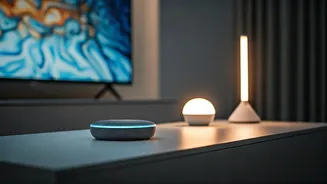
Parallel to the work-from-home trend is the ever-growing consumer focus on wellness. We track our steps, our heart rates, and our calories—why not our sleep? This is where companies like Eight Sleep and Bryte have found their niche. Their smart mattresses and bed covers use a sensor grid to monitor everything from tossing and turning to respiratory rate, then use that data to adjust the bed’s temperature for optimal sleep. It’s the quantified-self movement applied to the most important recovery tool we have. But it doesn't stop in the bedroom. We're seeing smart sofas with integrated speakers and haptic feedback for immersive movie-watching, and coffee tables with built-in refrigerators and ambient lighting. The underlying principle is the same: using technology to make our relaxation and leisure time more seamless and enjoyable.
The Hurdles: Price and Privacy
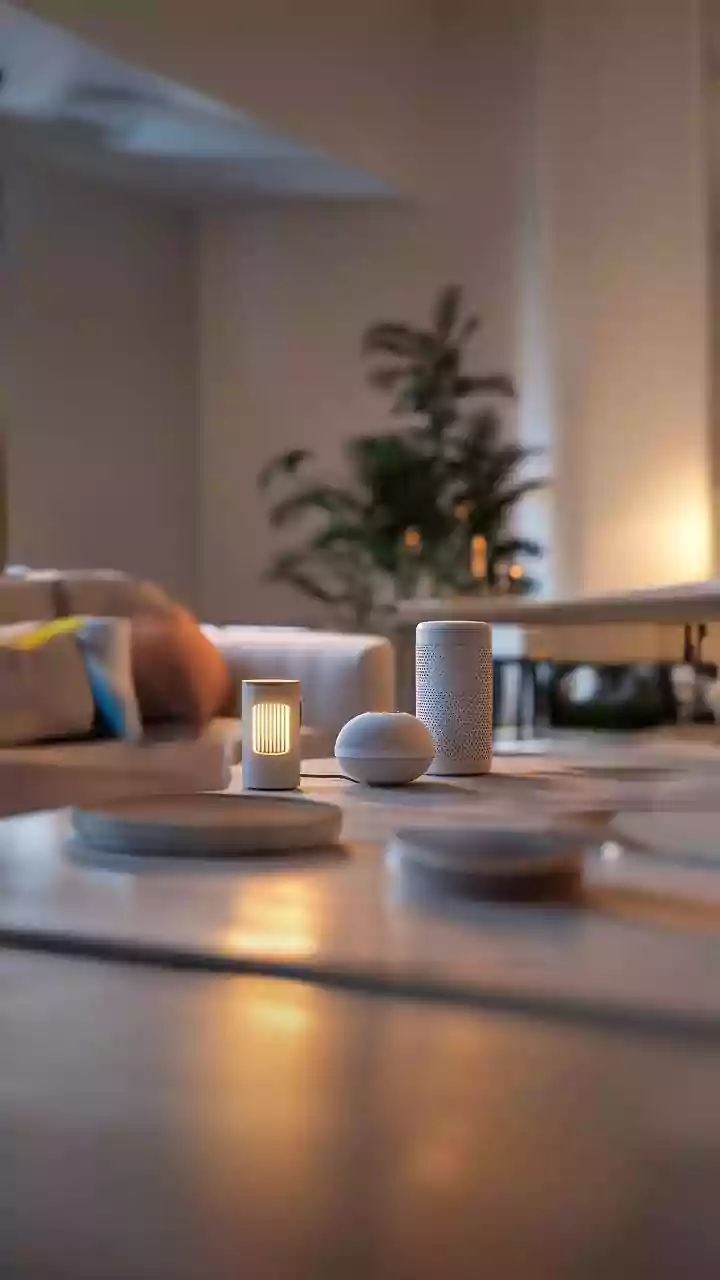
Of course, the path to a fully connected home is not without its obstacles. The first and most obvious is cost. A smart bed can run into the thousands of dollars, and a high-end smart desk is a significant investment compared to its “dumb” counterpart. This currently keeps much of the market in the premium category, accessible only to early adopters and those with significant disposable income. The second major concern is privacy. If your bed is tracking your sleep patterns (and, by extension, when you are and aren't in it), where is that data going? Who owns it? The prospect of your furniture's data being sold or compromised is a real and valid concern that manufacturers are still wrestling with. Finally, there's the issue of interoperability. In a perfect world, your smart alarm would tell your smart coffee maker to start brewing, which would then signal your smart desk to rise to standing position. We’re not there yet, and many devices remain locked in their own proprietary ecosystems.