



The Post-Pandemic Priority Shift
Not long ago, the ideal budget hotel was all about location, location, location—specifically, proximity to the chaotic heart of a city. We accepted shoebox rooms and street-noise lullabies as long as we were steps from the main attractions. But after
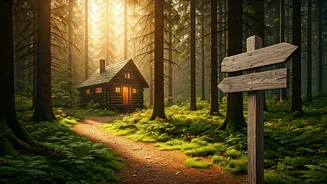
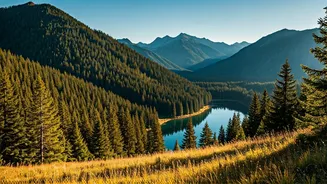
years of being cooped up indoors, our collective priorities have undergone a seismic shift. The pandemic didn't just change how we work; it changed what we crave from our time off. A deep, almost primal need for open space and nature has moved from a 'nice-to-have' to a non-negotiable. Suddenly, the ability to step outside for a walk in a park or simply gaze at a tree from your window feels less like an amenity and more like a crucial component of well-being. This recalibration of values has redefined what 'luxury' means in the travel space, especially for those who can’t afford a five-star resort.
When 'Free' Becomes Premium
The travel industry, ever responsive to consumer desire, has taken note. What was once an incidental detail—'near a park'—is now a headline feature. Budget hotels and Airbnb hosts in slightly less central, but leafier, neighborhoods are rebranding. They are no longer just '15 minutes from downtown'; they are 'steps from the botanical gardens' or 'overlooking the river trail.' They are selling a feeling, not just a location. This is the core of the new luxury: the commodification of tranquility. A view of a park is an asset that can command a higher perceived value without the overhead of a pool or spa. For the traveler, this creates a new calculus. The 'luxury' isn't about spending more money, but about spending it more wisely on something that delivers a tangible mental and emotional return.
The Smart Economics of Seeking Green
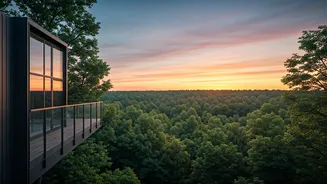
Here's the paradox: chasing this new 'green luxury' can actually save you money. A hotel room with a view of Central Park in Manhattan is, of course, wildly expensive. But a charming guesthouse overlooking Forsyth Park in Savannah or an Airbnb next to Forest Park in St. Louis offers a similar dose of nature for a fraction of the cost of a downtown equivalent in those same cities. By prioritizing green space over a central business district, budget travelers can often find better deals in quieter, more residential neighborhoods. They trade the convenience of being in the tourist-clogged center for the restorative power of a morning coffee overlooking a dew-covered lawn. This strategy flips the traditional travel script. Instead of saving up for a cramped room in the middle of everything, savvy travelers are finding that their budget stretches further on the green, peaceful periphery.
More Than Just a Pretty Picture
This trend is backed by science. The concept of 'biophilia,' popularized by biologist E.O. Wilson, suggests that humans have an innate tendency to seek connections with nature. Studies have shown that even simply looking at green spaces can reduce stress, lower heart rate, and improve mood. A hotel room with a green view isn't just an aesthetic choice; it’s a self-care strategy. It turns your accommodation from a simple crash pad into a restorative sanctuary. After a long day of sightseeing, returning to a room that feels connected to the natural world can be profoundly calming. It allows for a different kind of vacation—one that’s less about frantic box-ticking and more about genuine replenishment.