





1. The Practical Herb Garden
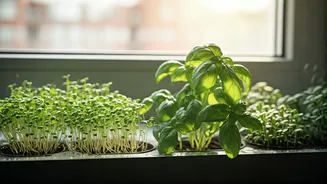
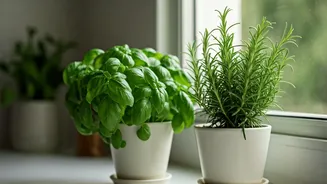
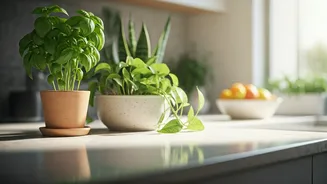
Let’s start with the most logical kitchen greenery: an herb garden. There’s something deeply satisfying about snipping fresh basil for your pasta sauce or grabbing a sprig of mint for a glass of iced tea. Not only are they useful, but they also look incredibly
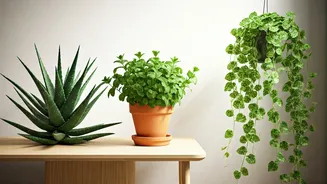
charming lined up in small terracotta pots on a windowsill. Start with hardy favorites like basil, rosemary, mint (keep it in its own pot, as it spreads aggressively), and parsley. Most herbs love sunlight, so find a spot that gets at least six hours of direct light a day. They serve as a functional ingredient, a natural air freshener, and a rustic decorative element all in one.
2. The Indestructible Pothos
If you’re convinced you have a “black thumb,” the Pothos is here to prove you wrong. This vining plant is famously resilient and thrives in a wide range of lighting conditions, from bright, indirect light to lower-lit corners. Its heart-shaped leaves, often variegated with white, yellow, or light green, bring a soft, organic feel to hard kitchen surfaces. The best part? It tells you when it needs water by slightly drooping. Place it on top of your cabinets or on an open shelf and let its vines cascade down for a dramatic, effortlessly chic look. It’s the definition of low-effort, high-reward greenery.
3. The Architectural Snake Plant
For a more modern, sculptural aesthetic, look no further than the Snake Plant (Sansevieria). With its stiff, upright leaves that resemble abstract art, this plant adds vertical interest without taking up much horizontal countertop space. It’s another incredibly low-maintenance option, tolerating infrequent watering and a variety of light levels. In fact, it's one of the few plants that almost thrives on neglect. Its clean lines provide a beautiful contrast to the often-cluttered kitchen environment, bringing a sense of calm and structure. A single Snake Plant in a simple ceramic pot can make a bold statement in a minimalist kitchen.
4. The Prolific Spider Plant
The Spider Plant is a retro classic that’s back in style for good reason. Its arching leaves create a fountain-like effect, and it’s known for producing “pups”—tiny baby plants that dangle from the mother plant, ready to be repotted and shared. This makes it a fun, ever-evolving piece of decor. They are adaptable to different light conditions and prefer their soil to dry out between waterings. Spider Plants are also known for their air-purifying qualities, making them a healthy and happy addition to the busiest room in the house. Place one in a hanging basket near a window or on the corner of a counter where its babies can dangle freely.
5. The Pop of Color: African Violet
If you crave a splash of color, the African Violet is a fantastic countertop companion. These small plants produce clusters of velvety flowers in vibrant shades of purple, pink, blue, and white. They don’t require direct sunlight, which can scorch their leaves, making them perfect for a spot with bright but indirect light. The key to keeping them happy is specific watering: they hate getting their leaves wet, so water them from the bottom by placing the pot in a shallow dish of water for about 30 minutes. It’s a small bit of extra effort for a huge visual payoff, providing a constant source of cheerful blooms.
6. The Sunny Succulent Collection
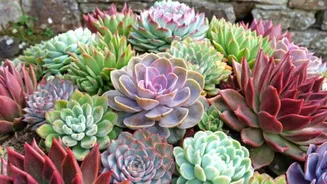
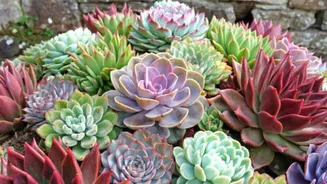
For that sun-drenched spot on your kitchen windowsill that no other plant can handle, a collection of succulents is the perfect solution. These desert natives love bright light and require very little water. With an endless variety of shapes, colors, and textures—from the classic rosette of an Echeveria to the spiky leaves of an Aloe Vera (which is also useful for minor kitchen burns!)—you can create a miniature garden. Arrange a few different types in a shallow bowl or individual small pots for a low-maintenance display that adds a touch of bohemian, sun-kissed style to your kitchen.