






The Himalayan Balcony
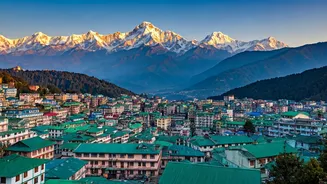
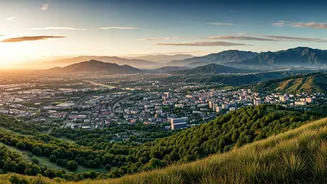
Perched on a steep mountainside over 5,400 feet above sea level, Gangtok is less a city and more a sprawling balcony with a view. Forget the cacophony you might associate with urban India. Here, the soundtrack is the rustle of prayer flags, the distant
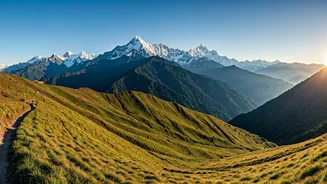
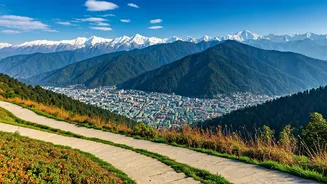
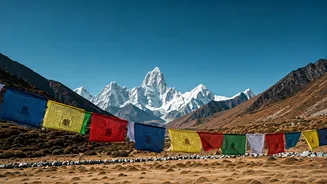
chime of a monastery bell, and the clean, crisp mountain air. On clear mornings, the world’s third-highest peak, Kanchenjunga, dominates the horizon, a colossal, snow-dusted reminder of nature’s scale. The city is built in tiers along the ridge, meaning a stunning vista is never more than a few steps away. This constant connection to the immense, peaceful landscape is the first step in Gangtok’s gentle rewiring of a frazzled mind.
Order Amidst the Clouds
Perhaps the most startling thing for a first-time visitor isn't the mountain view, but the civic order. Gangtok is famously, almost shockingly, clean. Since the 1990s, this city has been a pioneer in environmental policy, banning disposable plastic bags long before it was a global trend. Spitting and littering carry hefty fines, and public smoking is prohibited. The city’s main artery, MG Marg, is a revelation: a wide, pedestrian-only boulevard lined with benches, flower pots, and shops. It’s not a tourist trap; it’s the city's living room, where locals of all ages gather in the evenings to stroll and socialize. This deep-seated culture of cleanliness and public order creates a background of calm that is profoundly relaxing. It’s a city that respects itself, and in doing so, respects your peace of mind.
A Spiritual Stillness
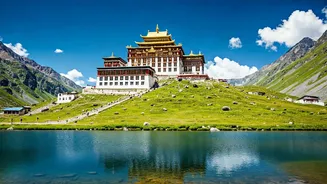
The feeling of reset is anchored in Gangtok’s spiritual atmosphere. As the gateway to the former Buddhist kingdom of Sikkim, the city is steeped in the gentle rhythms of Tibetan Buddhism. Colorful prayer flags flutter from every rooftop and hillside, carrying mantras on the wind. Monasteries aren't just historical sites; they are living, breathing centers of the community. A short drive takes you to Rumtek Monastery, a vast complex with intricate murals and a palpable aura of devotion. Closer to town, the smaller Enchey Monastery offers a quiet sanctuary. You don’t need to be a believer to feel the effects. The quiet hum of chanting monks, the smell of juniper incense, and the slow, deliberate pace of life around these sacred sites invite a level of introspection that feels both ancient and incredibly modern.
Where Tradition Meets Today
What keeps Gangtok from feeling like a museum is its vibrant, youthful energy. This is not a town frozen in time. Alongside traditional eateries serving steaming bowls of thukpa (noodle soup) and delicious momos (dumplings), you’ll find trendy cafes with excellent coffee and free Wi-Fi. Young Sikkimese, known for their unique sense of style, browse modern boutiques. The city’s unique identity—a blend of its Nepali, Bhutia, and Lepcha heritage, mixed with a modern Indian outlook—creates a culture that is both welcoming and distinct. It’s a place where you can spend the morning in contemplative silence at a 200-year-old monastery and the afternoon at a cool cafe listening to contemporary music. This balance is the key to its understated charm; it offers a reset without demanding you disconnect from the world entirely.