





Eat for Dollars, Feast Like a King
Forget fine dining. Kolkata’s soul is found on its sidewalks, served up on a leaf plate for pennies. This is the birthplace of the *kathi roll*, a flaky paratha wrapped around spiced meat or paneer, which you can find at legendary spots like Nizam’s or Kusum
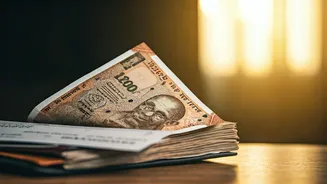
Rolls. But the real star is the *puchka* (also known as *pani puri*). Join the crowd around a vendor as he expertly fills crispy shells with spiced potato and dunks them in tangy tamarind water. A whole plate will cost you less than a dollar and deliver an explosion of flavor. Don't miss out on *jhalmuri*, a puffed rice snack tossed with mustard oil, onions, and spices, or the Bengali sweets like *sandesh* and *rasgulla* from a neighborhood sweet shop. In Kolkata, a truly incredible food tour might set you back the price of a single cocktail in a New York bar.
Get Around on Historic Wheels
While you can always hail one of the city’s iconic yellow Ambassador cabs, getting around like a local is part of the adventure and dramatically cheaper. Kolkata is home to the only operating tram network in India. These rumbling, slightly rickety streetcars are a charming, slow-motion way to see the city unfold for a fare that is almost laughably low. For quicker trips, the city’s metro system is clean, efficient, and air-conditioned—a welcome relief on a hot day. And for short hops, the green-and-yellow auto-rickshaws are your best bet. Negotiate the fare before you get in, and enjoy the breezy, chaotic ride. Using public transport isn’t just about saving money; it’s about immersing yourself in the daily rhythm of the city.
Soak in Culture That Costs Nothing
Kolkata has long been the heart of Indian literature, art, and cinema, and much of this intellectual spirit can be experienced for free. Take a walk down College Street, the world's largest second-hand book market, known locally as *Boi Para* (Book Neighborhood). You don’t have to buy anything to feel the literary energy seeping from the endless stalls. The city is also famous for its *adda* culture—long, passionate, and informal conversations held in coffee houses. Find a seat at the legendary Indian Coffee House, order a cheap cup, and just listen. For a dose of colonial history, wander the grounds of the magnificent Victoria Memorial or take a stroll through the Maidan, the city’s massive central park, where you’ll see cricket games, families picnicking, and life in full swing.
Explore the Markets, Not the Malls
If you want to find the real pulse of local commerce, skip the air-conditioned malls and head straight for the sprawling, chaotic markets. The Sir Stuart Hogg Market, better known as New Market, is a Victorian-era labyrinth of over 2,000 stalls selling everything from silver jewelry and silk sarees to rare cheeses. It’s a sensory overload in the best possible way. For a more local feel, the Gariahat Market in South Kolkata is a prime spot for textiles and traditional Bengali handicrafts. The key is to browse, bargain respectfully, and enjoy the spectacle. Even if you only leave with a small trinket, the experience of navigating these bustling hubs is a core Kolkata memory.
Find Peace by the River
Some of Kolkata’s most profound moments are its simplest. As the day cools, head to Prinsep Ghat, a beautiful colonial monument on the banks of the Hooghly River. Locals flock here to relax, take boat rides, and watch the sunset behind the Vidyasagar Setu bridge. Or, for a more gritty and iconic view, walk across the colossal Howrah Bridge, a cantilevered marvel of engineering that funnels a constant stream of cars, people, and animals into the city. Watching the flower sellers set up their vibrant stalls at the foot of the bridge in the early morning is a spectacle in itself. These are the moments that define the city’s vibe—and they don’t cost a single rupee.