


Discovering the 'Scotland of India'
For most Americans, the name Coorg may not ring a bell. Nestled in the Western Ghats mountain range in the southern Indian state of Karnataka, this idyllic district—officially known as Kodagu—has long been a beloved retreat for locals, who affectionately
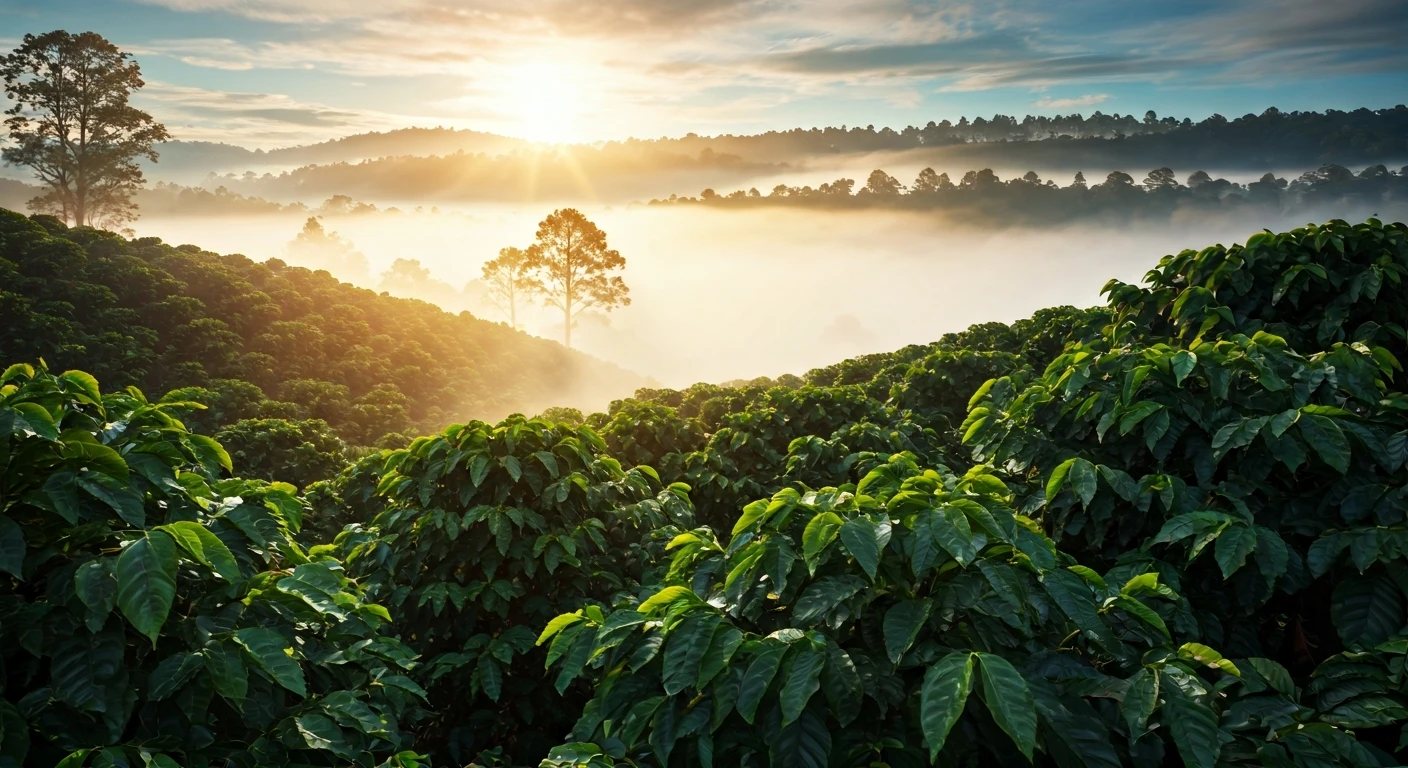
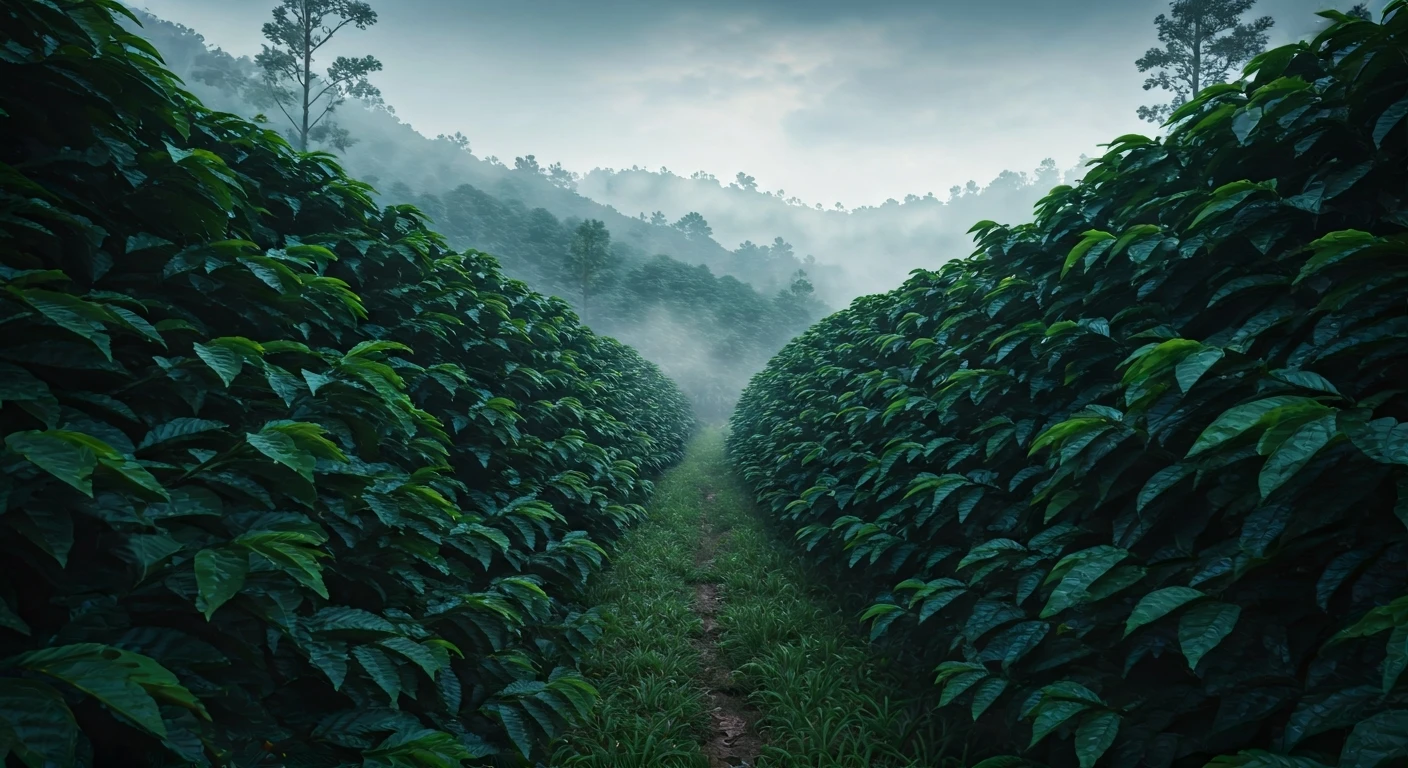
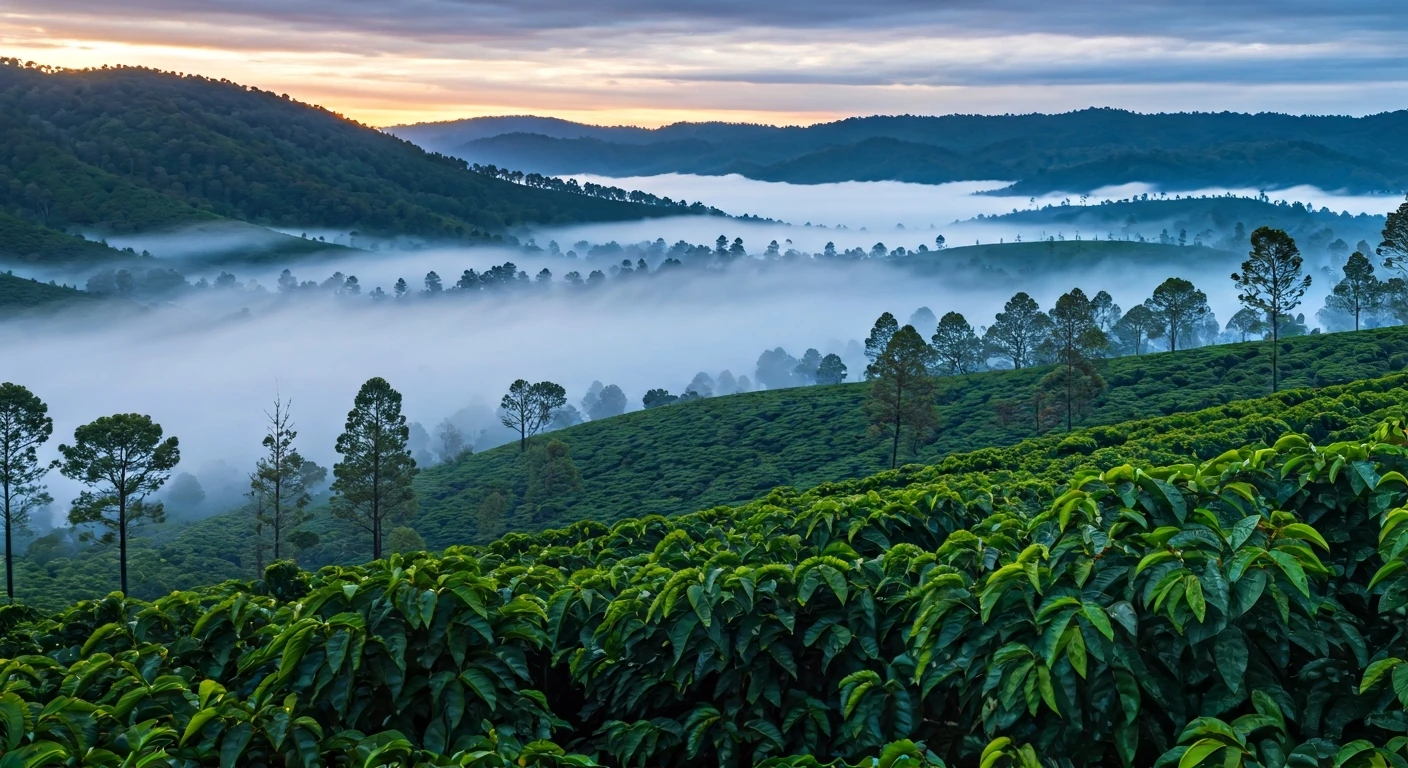
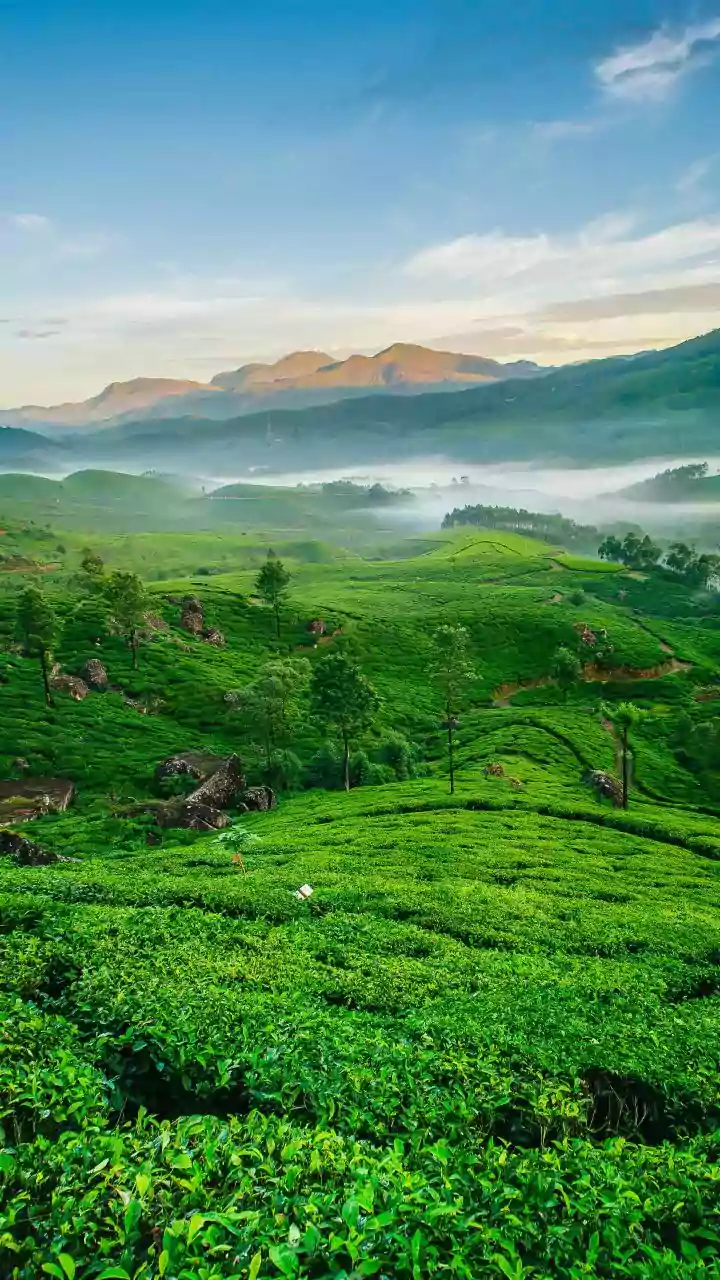
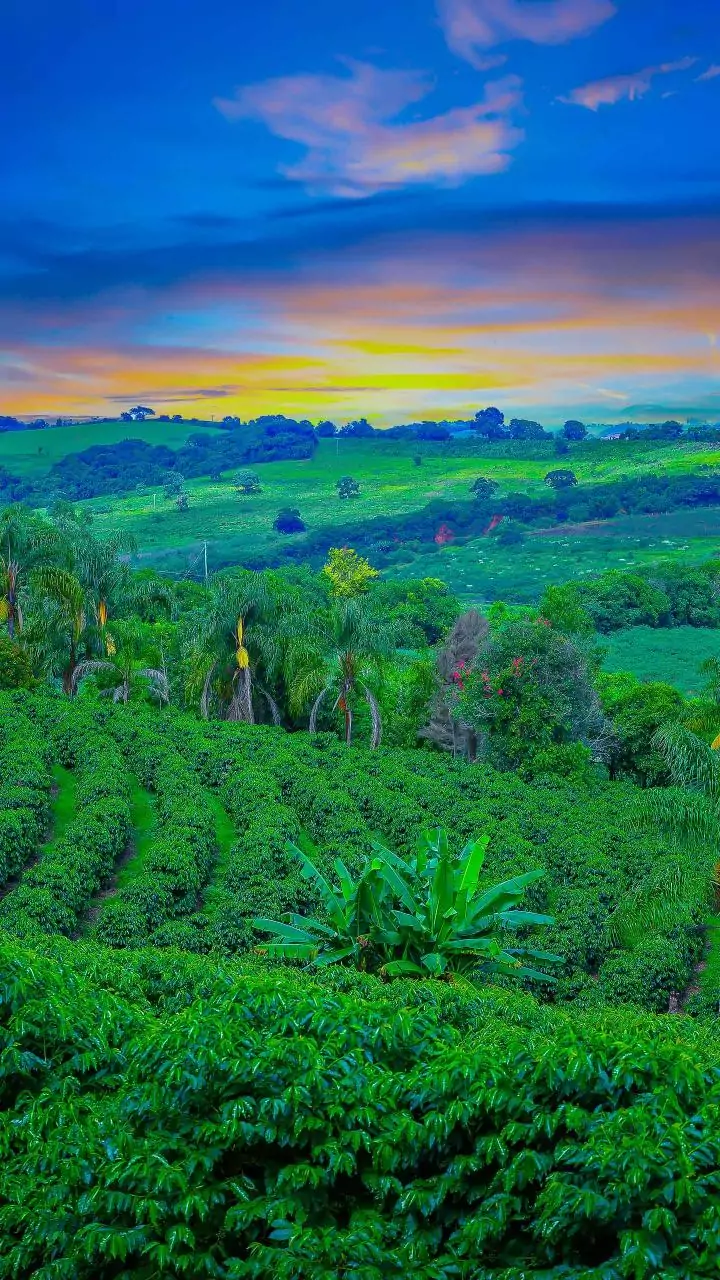
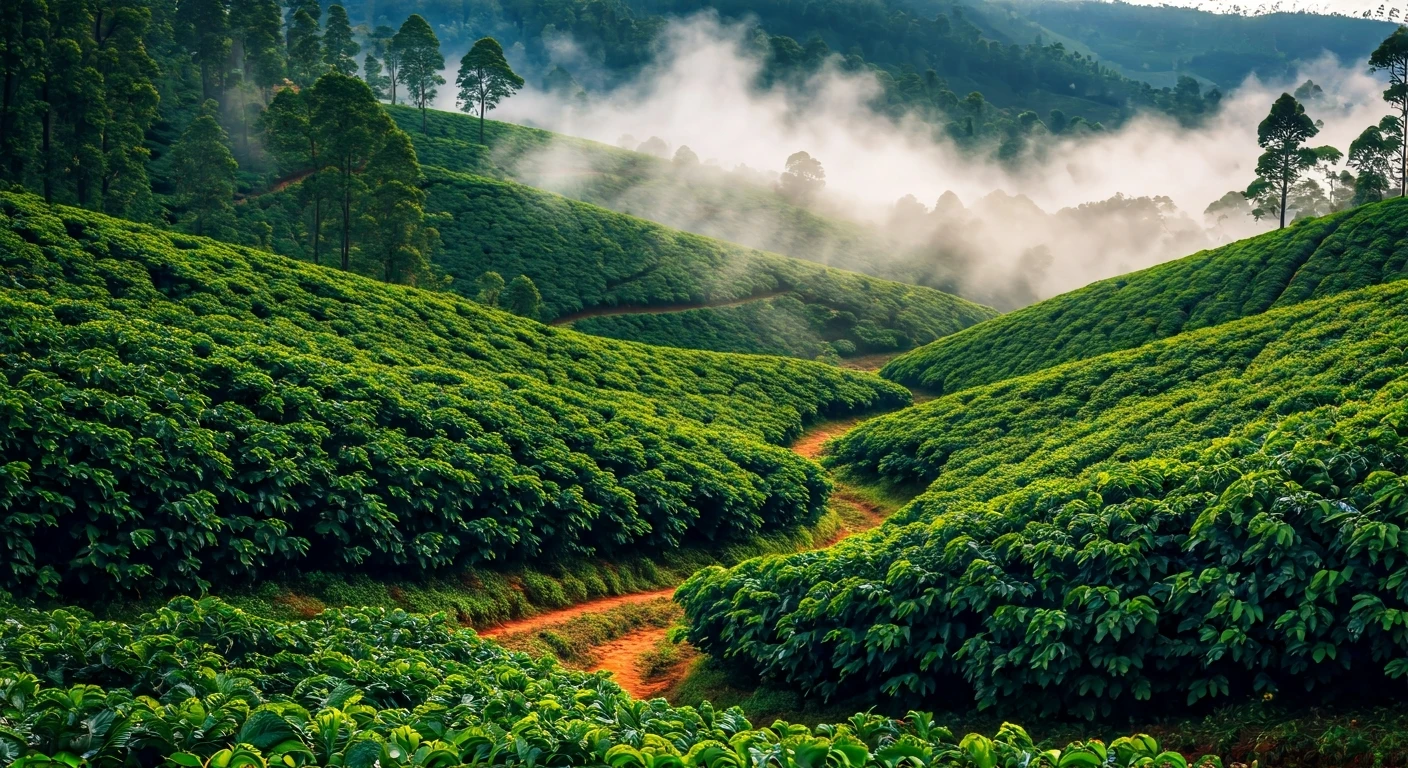
call it the 'Scotland of India.' It's a land of misty hills, dense forests, and sprawling coffee plantations that produce some of the country's finest beans. Unlike the chaotic energy of India’s megacities, Coorg offers a different rhythm: one dictated by nature, the harvest, and the seasons. Its charm lies in its serene landscapes, unique local culture, and the overwhelming sense of peace that settles over its rolling green hills.
The Magic of the First Rains
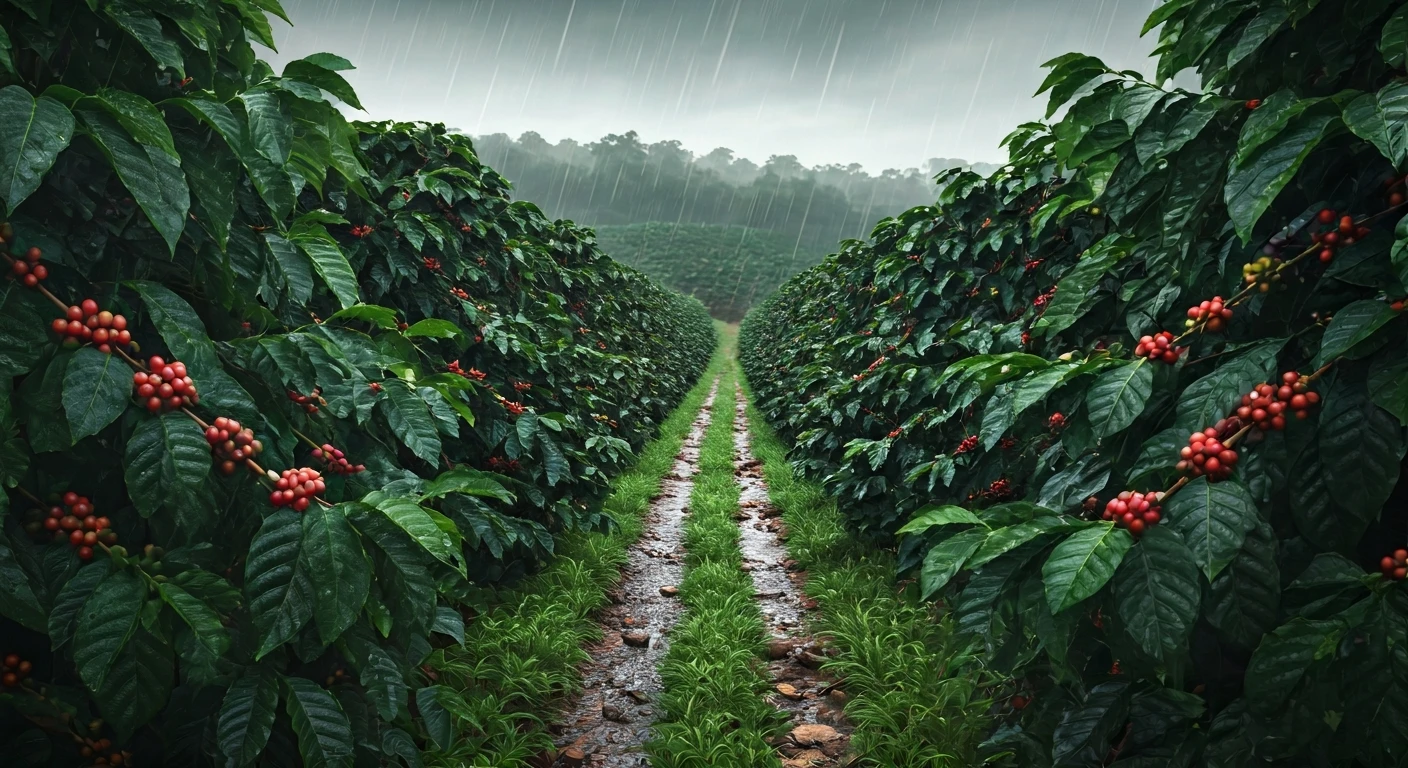
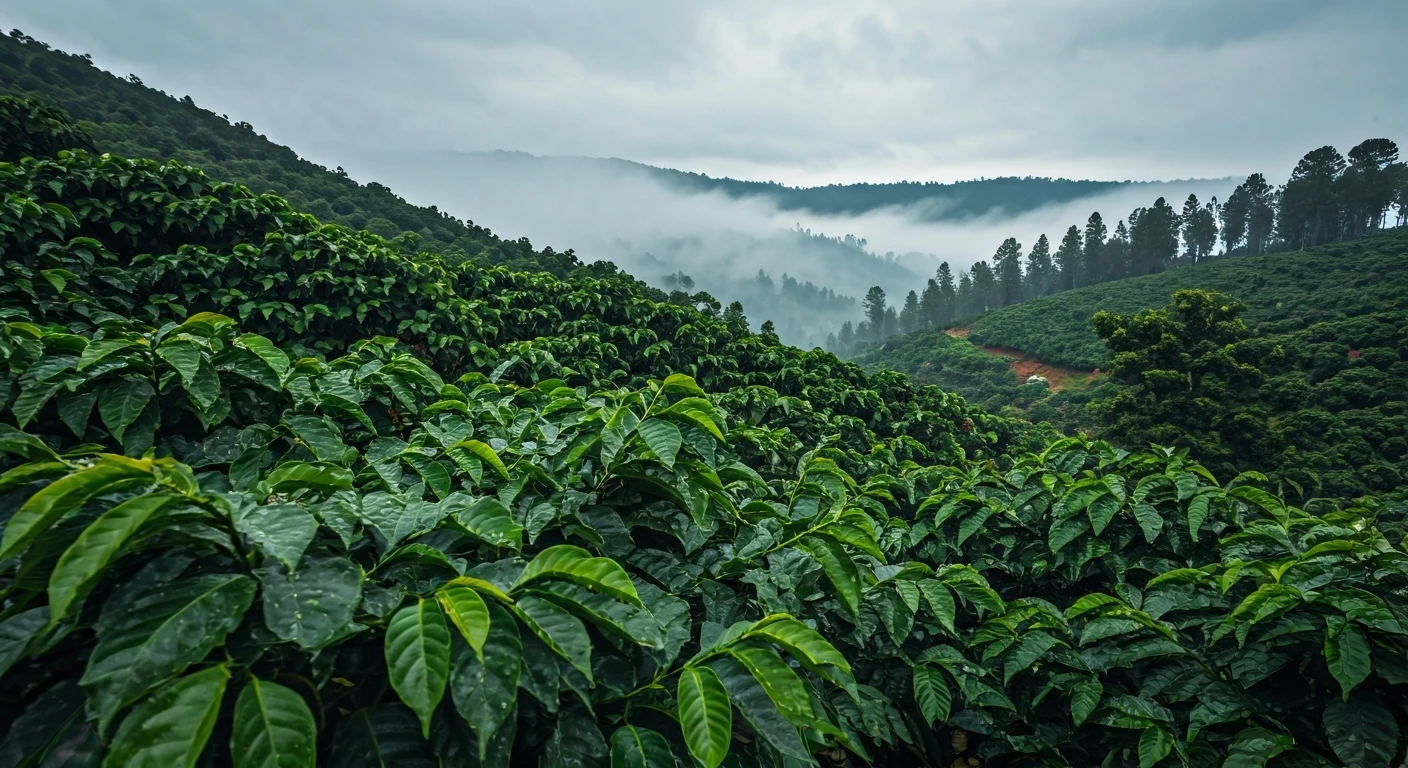
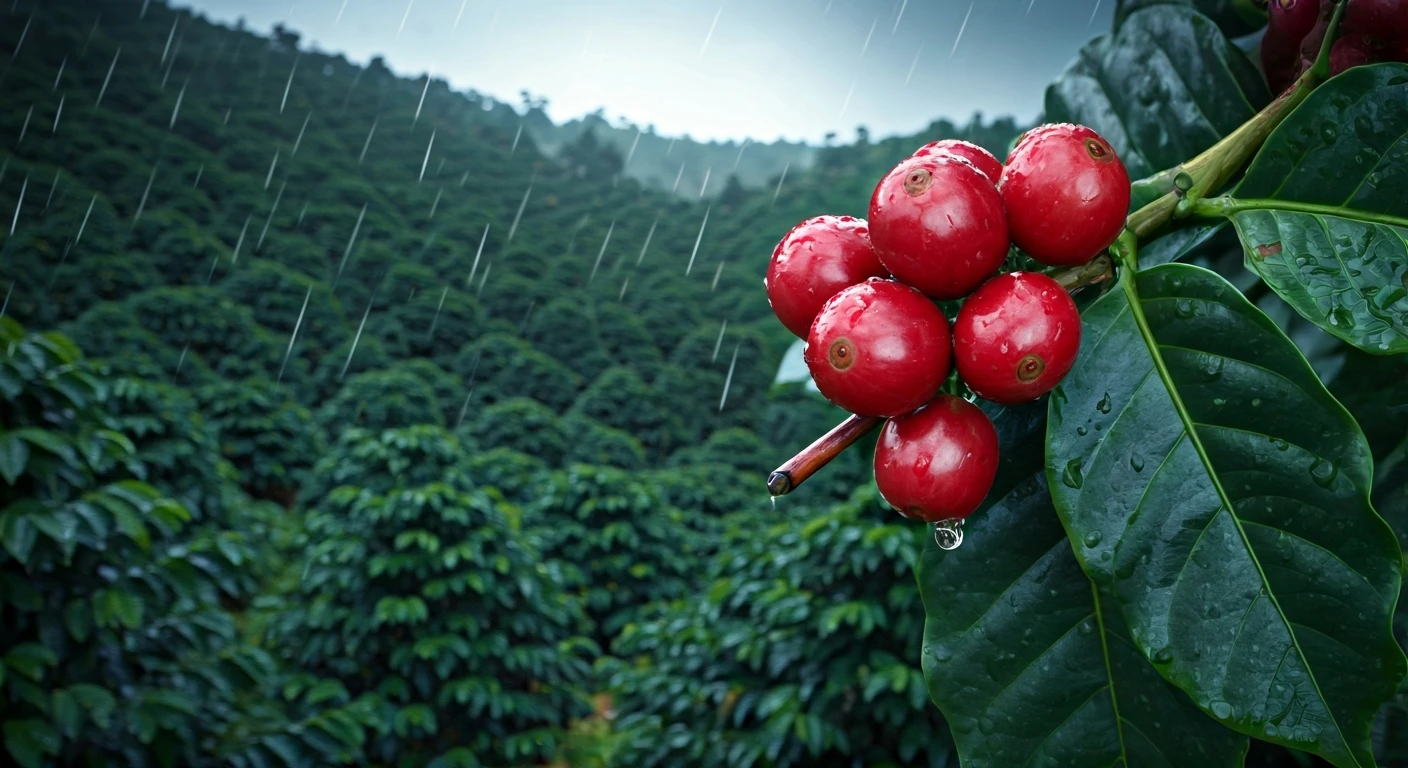
Travelers often chase sunshine, but in Coorg, the magic happens right before the deluge. The pre-monsoon season, typically from late March through May, is a period of sublime transformation. After months of dry heat, the first showers—often called 'blossom showers'—arrive. These aren't the relentless downpours of the full monsoon season but brief, dramatic cloudbursts that wash the dust from the leaves and cool the air. The parched earth awakens, releasing the rich, heady scent of petrichor. The landscape, once a little weary from the sun, springs to life in vibrant shades of green, creating a photographer’s paradise and a deeply atmospheric experience for any visitor.
A Symphony of Scent and Sight
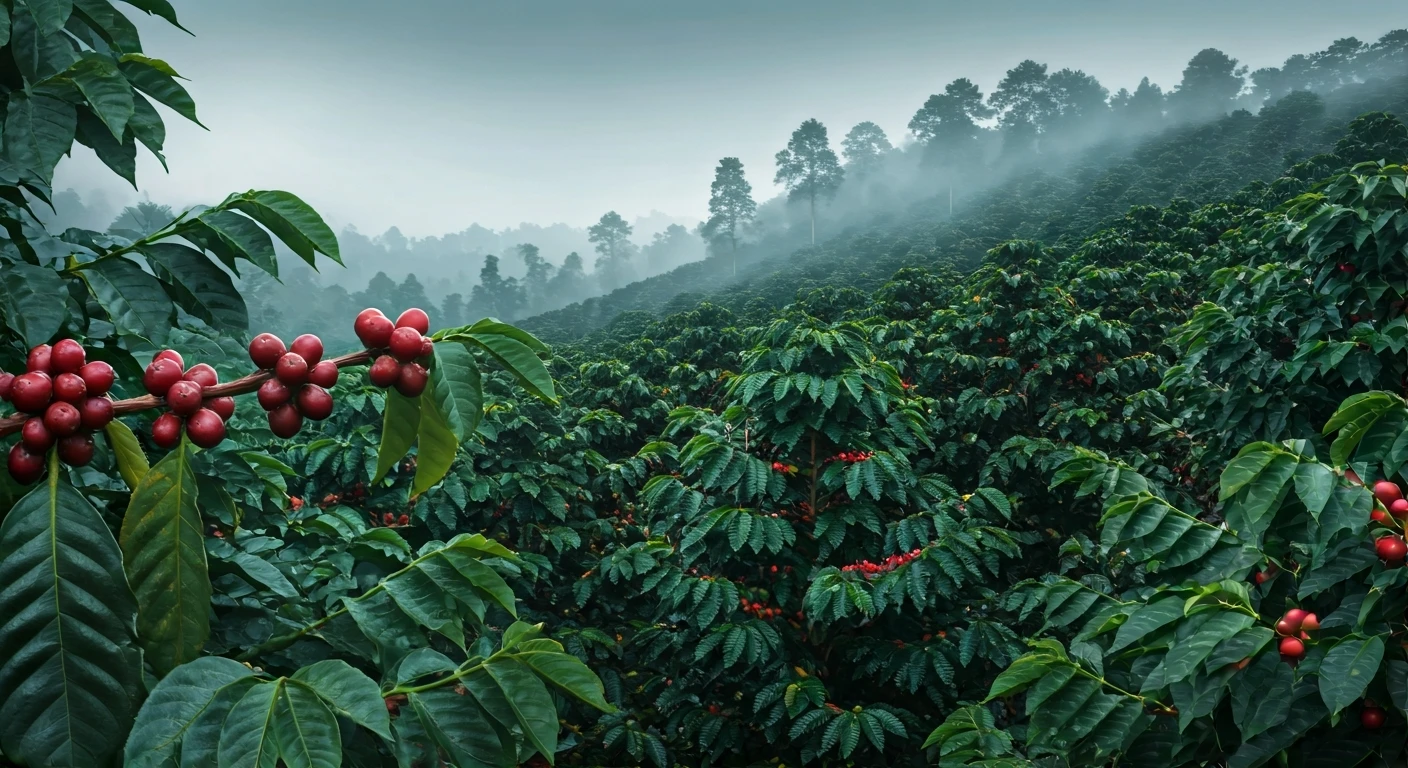
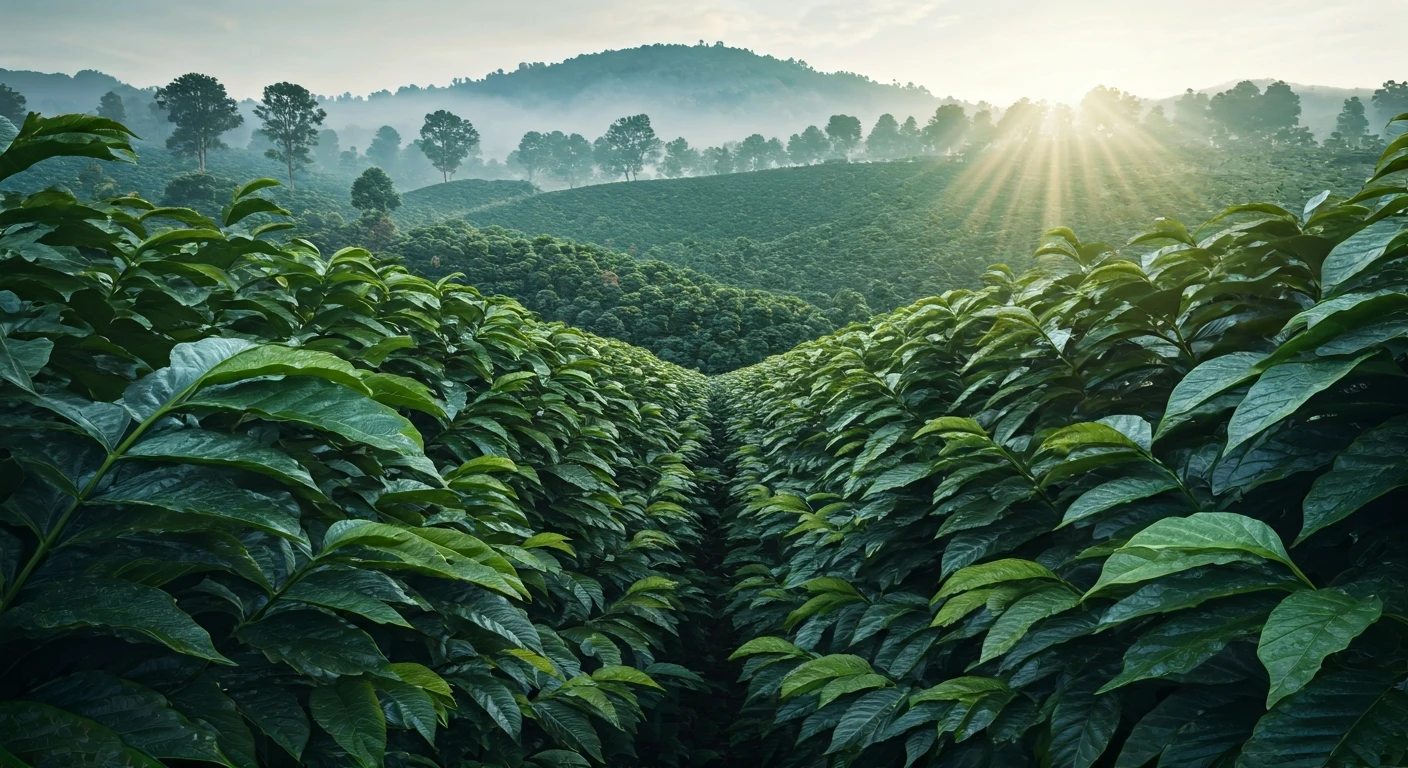
This seasonal makeover is a feast for the senses, and it begins with the coffee. The pre-monsoon rains trigger the coffee plants to burst into flower. For a few glorious weeks, the plantations are covered in a blanket of delicate white blossoms that look like fallen snow and carry a sweet, jasmine-like fragrance. It's a spectacular, short-lived phenomenon. Beyond the coffee, this is also when spice plants come alive. Walk through a plantation and you can smell cardamom, pepper, and vanilla in the air. The markets fill with early-season fruits like mangoes and jackfruit, adding another layer of sensory delight to any visit. This isn’t just a visual makeover; it’s a full reawakening of the land.
Fewer Crowds, Fuller Experience
One of the most compelling reasons to visit Coorg during the pre-monsoon period is the delightful lack of crowds. Most tourists flock here during the cooler, drier winter months (October to February) or after the monsoon has fully saturated the landscape (September). This makes April and May a 'shoulder season'—a sweet spot where you can experience the region more authentically. Accommodations are often more affordable and readily available, viewpoints are less crowded, and you can enjoy a quiet moment at a waterfall or on a plantation tour without jostling for space. It’s the perfect time for a more intimate, reflective getaway, allowing you to connect with the place on a deeper level.
What to See and Do
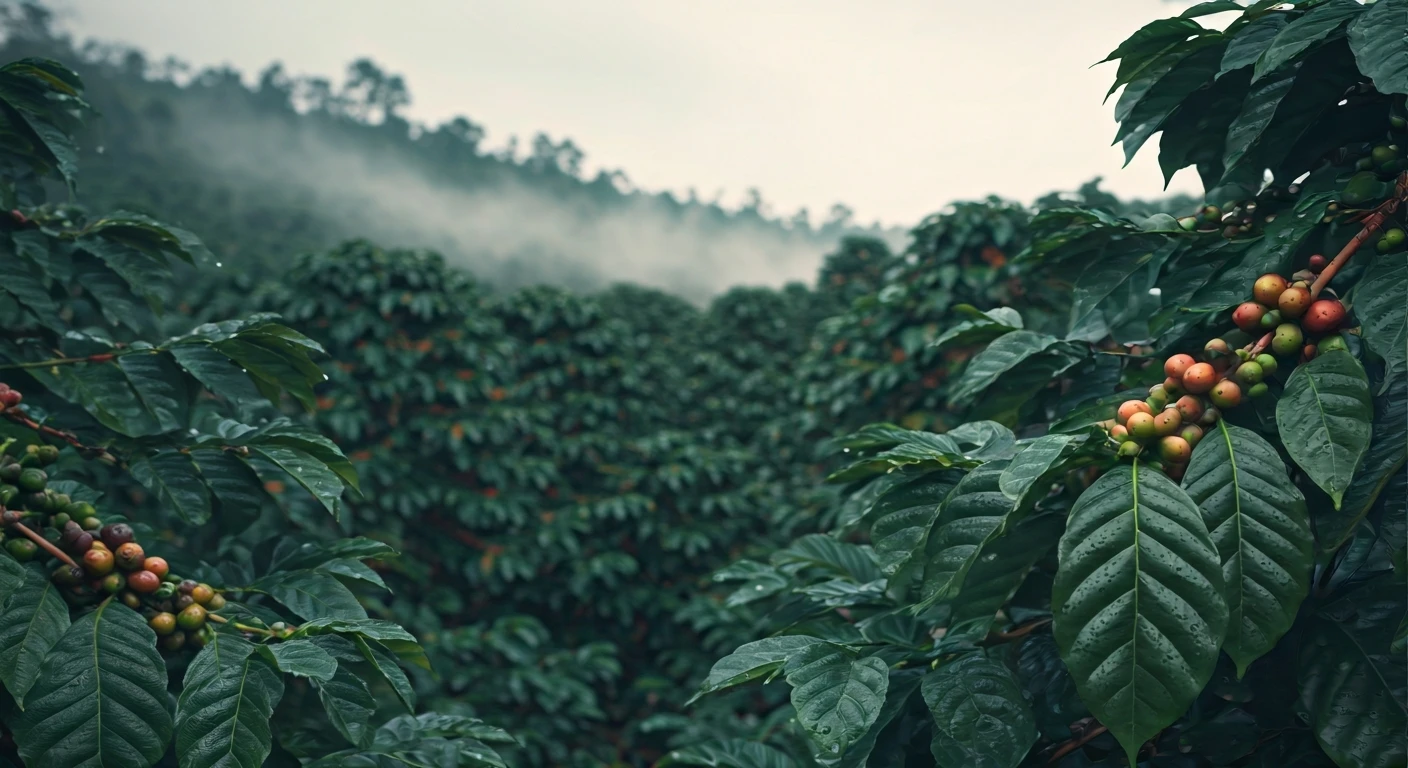
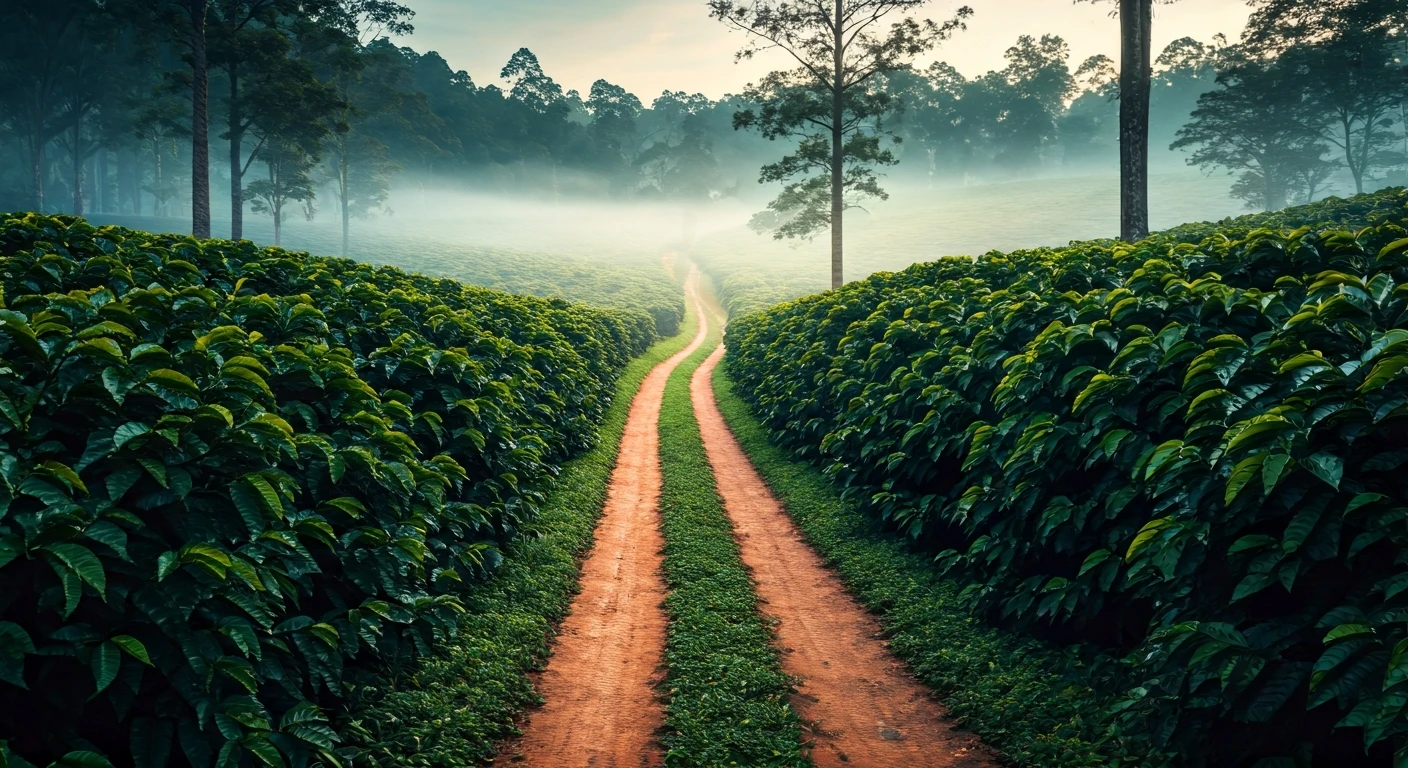
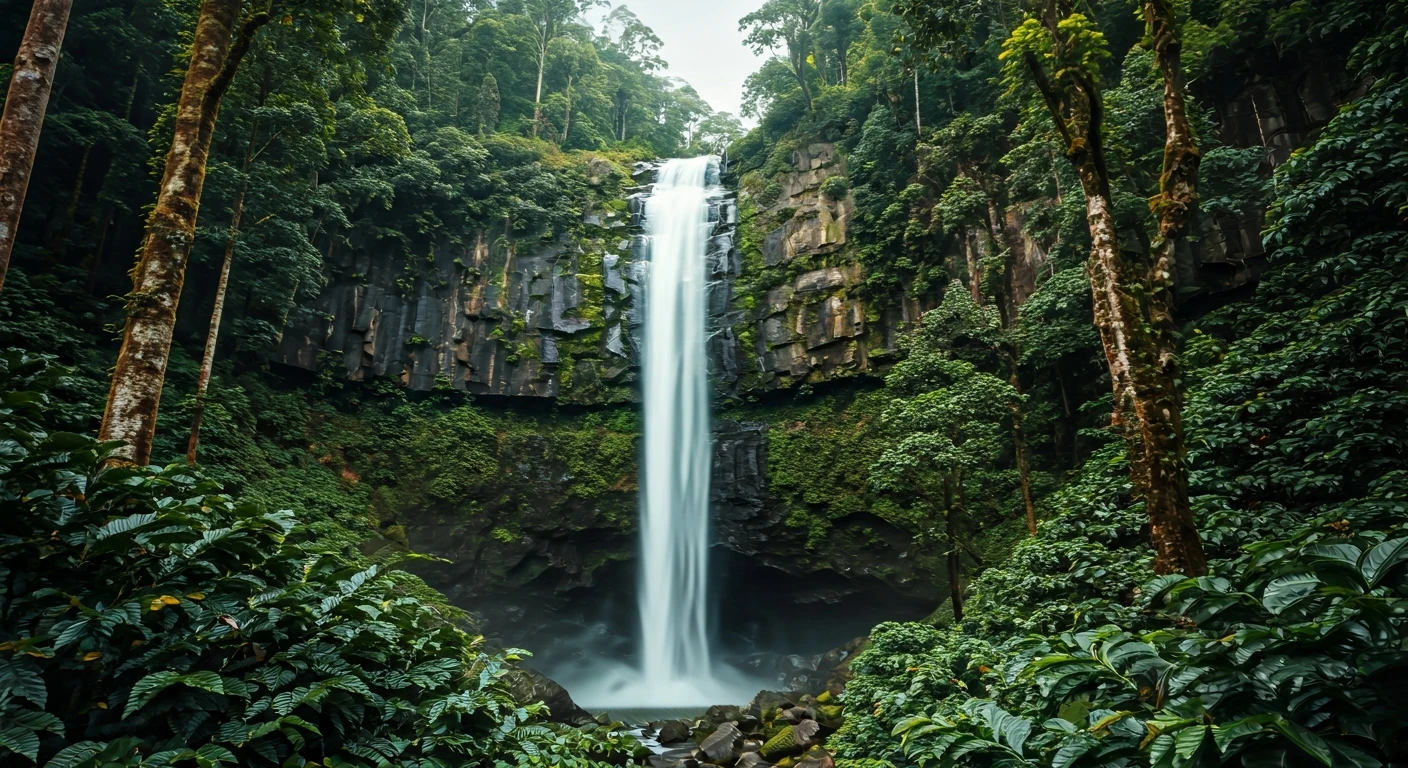
While the main attraction is the atmosphere itself, Coorg offers plenty of activities that are enhanced by the pre-monsoon weather. A visit to a coffee estate is essential; many offer guided tours where you can walk among the blossoming plants and learn about the bean-to-cup process. Waterfalls like Abbey Falls, fed by the early rains, begin to regain their power and majesty. A trip to Raja’s Seat, a historic viewpoint in the town of Madikeri, offers breathtaking panoramic views of the misty valleys at sunrise or sunset. It's also a wonderful time for bird-watching, as the local fauna becomes more active with the change in weather. And no trip is complete without sampling the distinctive Kodava cuisine, known for its flavorful pork dishes and unique local spices.