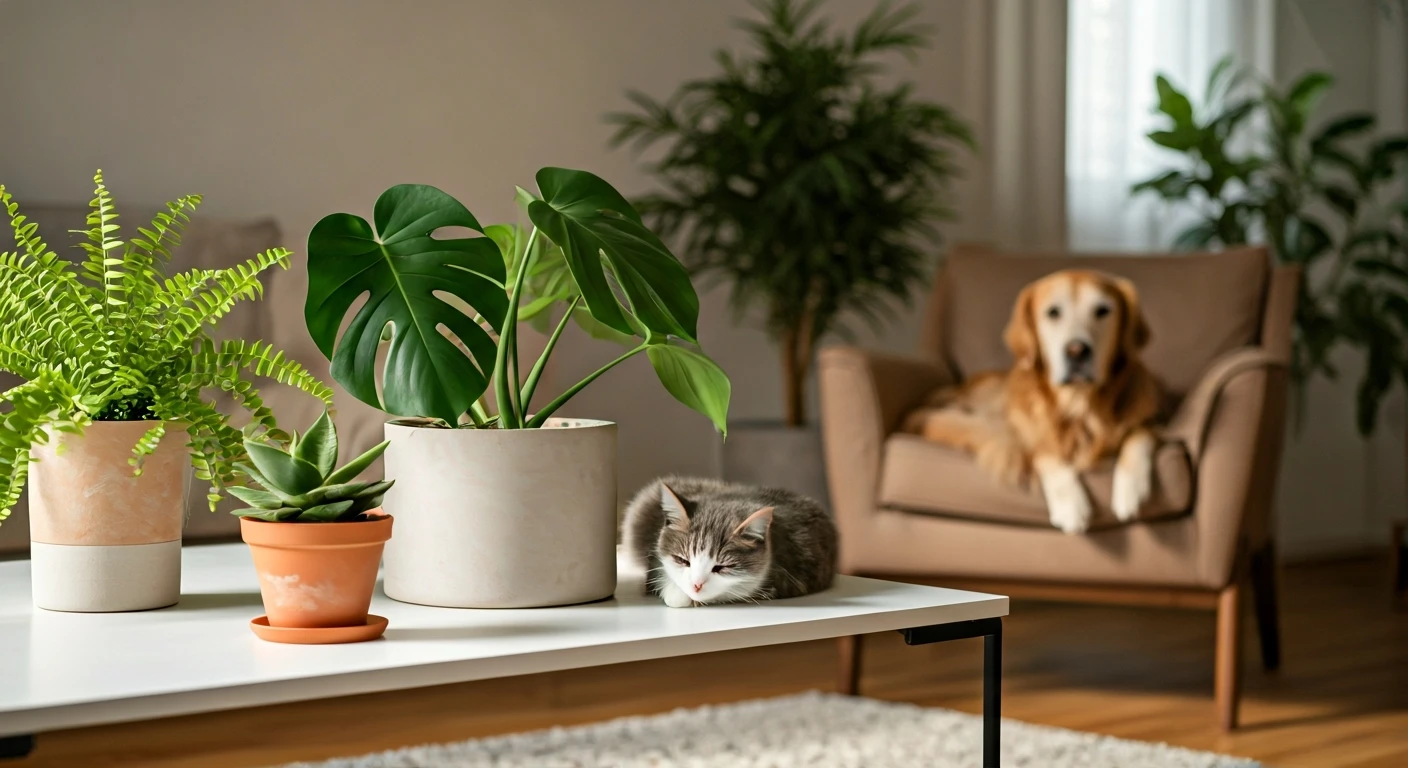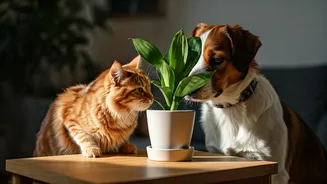





The Stakes: Understanding Plant Toxicity
The concern is valid. Many of the most popular houseplants are unfortunately toxic to cats and dogs if ingested. According to the ASPCA, plants like lilies are famously and severely toxic to cats, potentially causing kidney failure from a single bite.
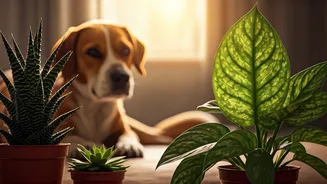
Other common culprits in American homes include the Sago Palm, whose every part is poisonous; Dieffenbachia (Dumb Cane), which causes intense oral irritation and swelling; and the ever-popular Pothos and Philodendron, which contain insoluble calcium oxalates that can lead to pain, drooling, and vomiting. While most pets are discerning, a curious kitten or a bored puppy might be tempted to chew on a leaf. Understanding which plants pose a genuine threat is the first step toward creating a safe environment where both your flora and your fauna can thrive.
Go Green: The Best Pet-Safe Houseplants
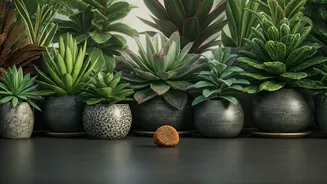
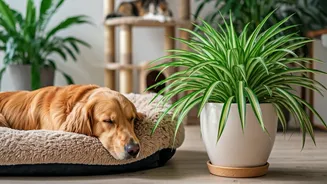
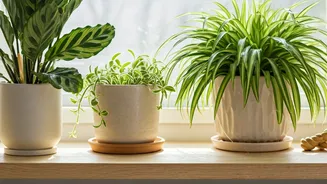
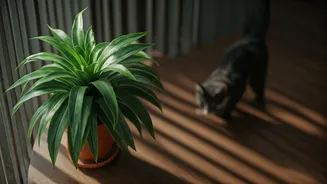
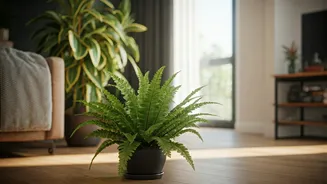
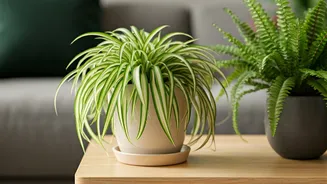
The good news is that you don't have to choose between your pet and your passion for plants. An incredible variety of beautiful, air-purifying, and completely non-toxic options are available. The Spider Plant is a classic for a reason: it's resilient, produces charming little "spiderettes," and is perfectly safe for pets. Similarly, the entire Calathea family, known for its stunning, ornate leaves (like the Rattlesnake Plant), is non-toxic. For those who love a lush, fern-like look, the Boston Fern and Bird's Nest Fern are excellent, pet-friendly choices that add texture and vibrancy. And if you're looking for something a bit different, a Parlor Palm offers a touch of the tropics without the risk, while the quirky Ponytail Palm (which isn't a true palm) is both safe and entertaining for cats who love to bat at its cascading leaves.
Beyond the Bite: Other Hidden Dangers
A plant's toxicity isn't the only potential hazard. True pet-centric plant wellness involves thinking about the entire setup. Heavy ceramic pots placed on unstable surfaces can be easily knocked over by a rambunctious dog or a climbing cat, posing a risk of injury. The soil itself can also be an issue. Many potting mixes contain fertilizers or pesticides that can be harmful if your pet decides to do a little digging. Opt for organic potting soils and pet-safe fertilizers whenever possible. Even decorative elements, like Spanish moss or small pebbles used as a top dressing, can become choking hazards or cause intestinal blockages if swallowed. The goal is to see your plant setup through the eyes of a curious animal and mitigate any potential risks, not just the chemical ones.
Creating a Harmonious Home Ecosystem
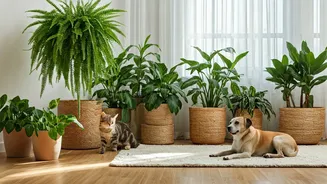
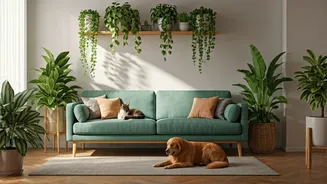
Once you have your pet-safe plants, the final step is managing the environment to discourage unwanted attention. Placement is key: use high shelves, hanging planters, or dedicated plant rooms to keep foliage out of easy reach. For floor plants, you can make them less appealing by placing citrus peels in the soil (most cats and dogs dislike the smell) or using a pet-repellent spray formulated with safe, bitter ingredients. Another successful strategy is diversion. Provide your pet with their own approved plants to chew on. A small pot of cat grass (typically oat, rye, or wheat grass) can satisfy a cat's natural desire to graze, often luring them away from your prized Prayer Plant. By making your houseplants boring and their own designated greens interesting, you create a balance that works for everyone.