





The Scotland of India
Tucked away in the Western Ghats mountain range in southern Karnataka, the region of Kodagu, affectionately known as Coorg, has earned a lofty nickname: 'The Scotland of India.' For an American traveler, the comparison might conjure images of the rugged,
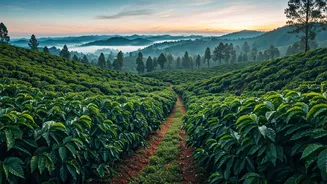
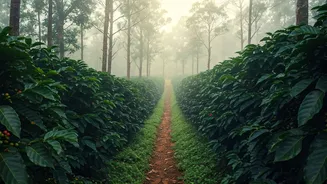
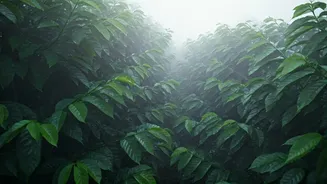
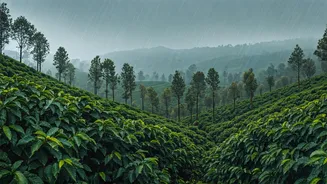
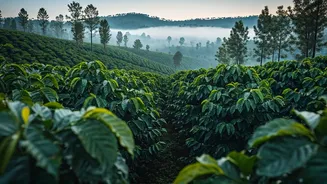
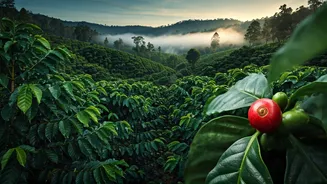
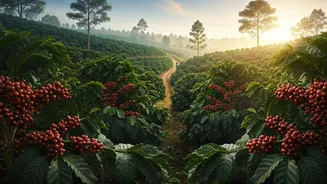
heather-covered highlands. While there are no kilts or bagpipes here, the visual parallels are striking. Coorg is a land of undulating hills shrouded in a near-constant veil of mist, with lush valleys and a perpetually green canopy that seems to drink the clouds. But unlike Scotland’s stark beauty, Coorg’s landscape is softer, more tropical, and cultivated with a unique purpose. The rolling terrain is carpeted not with heather, but with the glossy, dark green leaves of coffee plants, creating a mesmerizing patchwork of agriculture and untamed nature.
An Ode to the Monsoon
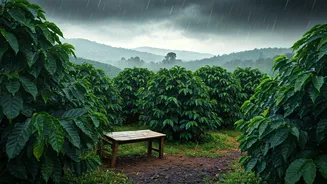
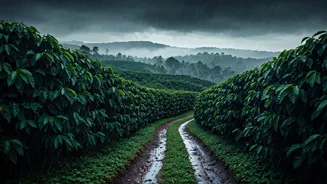
For most travel destinations, rain is a nuisance—a day-ruiner that sends tourists scrambling for indoor museums. In Coorg, the monsoon is the main event. From June to September, the region receives a dramatic drenching that breathes life into every corner of the landscape. This isn’t a dreary, persistent drizzle. It’s a full-sensory experience. The rain arrives in powerful, rhythmic sheets, drumming a hypnotic beat on the tiled roofs of plantation bungalows. The sound becomes a soothing constant, a natural white noise machine that encourages you to slow down. The air, already clean from the high altitude, is scrubbed fresh, carrying the rich, loamy scent of petrichor—that wonderful smell of rain hitting dry earth. Rivers swell, waterfalls that were mere trickles become roaring cascades, and the entire color palette of the region deepens into a thousand shades of emerald and jade.
Life on a Coffee Estate
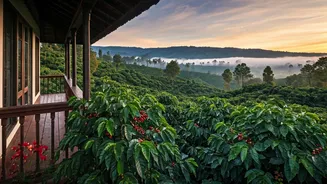
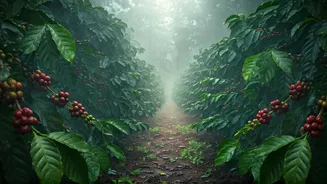
The heart of Coorg’s dreamy appeal lies in its coffee estates. These are not industrial farms but sprawling, shaded plantations where Arabica and Robusta beans grow beneath a canopy of silver oak and rosewood trees. This shade-grown method is crucial, not just for producing nuanced, high-quality coffee but for maintaining the region's biodiversity. Many of these estates are family-owned, passed down through generations, and have opened their doors to visitors through charming 'homestays.' Staying on an estate during the monsoon is the quintessential Coorg experience. You wake to the sound of rain and the chirping of exotic birds. You can spend your days walking misty trails that snake through the coffee bushes, watching droplets cling to ruby-red coffee cherries, and learning about the journey from bean to cup. The day ends with a freshly brewed cup of local coffee on a veranda overlooking the rain-washed hills, a simple pleasure that feels utterly luxurious.
More Than Just a Pretty View
While the landscape is the headline act, the culture of Coorg provides the rich context that makes a visit so memorable. The local people, the Kodavas, have a unique heritage and are known for their martial traditions and warm hospitality. The 'dreamy' feeling extends to the pace of life here. It’s a forced disconnect from the relentless urgency of the modern world. Here, the agenda is set by the weather. A heavy downpour is an invitation to curl up with a book and a cup of spiced tea. A break in the clouds is a cue to explore a nearby waterfall or visit a local market. The food is another highlight, with a distinct cuisine featuring ingredients like wild mushrooms, bamboo shoots, and the famous 'pandi curry,' a flavorful pork dish. It’s this combination of stunning scenery, a culture deeply connected to the land, and an atmosphere that encourages stillness that truly defines the Coorg experience. It’s not just a place you see; it's a feeling you carry with you.