


From Food Truck to Grocery Cart
For years, the most exciting flavors in American cities were found on four wheels. Food trucks and street vendors served as culinary incubators, introducing millions to the vibrant, complex tastes of dishes like Filipino sisig, Mexican birria, and Korean
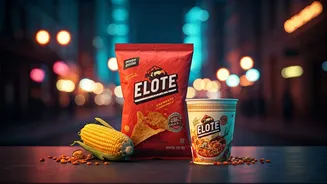
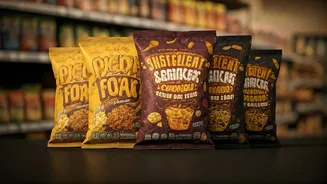
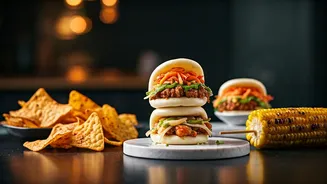
corn dogs. But that hyperlocal experience is undergoing a massive commercial translation. The new frontier for street food isn't a new city block; it's aisle seven at your local supermarket. This trend is about more than just hot sauce. It’s the full-throated adoption of specific, previously niche street-food concepts into mass-market consumer packaged goods (CPG). Think of Trader Joe’s viral frozen Kimbap, a direct nod to the grab-and-go staple of Korean markets. Or consider the explosion of chili-lime and elote-flavored corn chips from brands big and small, borrowing a flavor profile straight from Mexican street corn vendors. These products aren't 'inspired by' a general region; they are replicating a specific, beloved, and highly authentic street-food experience, right down to the packaging and marketing.
An Appetite for Authenticity
So, why now? The shift is being driven by a perfect storm of demographic and cultural changes. Millennial and Gen Z consumers, the most diverse generations in U.S. history, grew up with a far broader palate and a different definition of 'American' food. For them, authenticity isn't a novelty; it's a baseline expectation. They don’t want a watered-down 'taco flavor' potato chip; they want the complex, smoky heat of salsa macha or the tangy spice of a proper birria consommé. Social media platforms like TikTok and Instagram have acted as a massive accelerator. A viral video of a cheesy Korean corn dog or a vendor assembling Taiwanese scallion pancakes can create nationwide demand overnight. Consumers see it, they want it, and they don't want to wait for a food festival to try it. Smart brands are closing that gap, recognizing that today’s viral food trend is tomorrow’s best-selling SKU. This digitally-fueled curiosity has created a consumer base that is more educated and adventurous than ever before, rewarding brands that deliver genuine global flavors.
The New Rules of Snacking
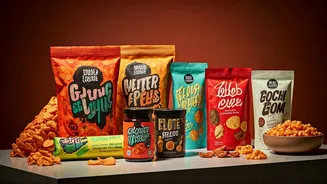
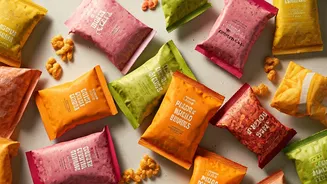
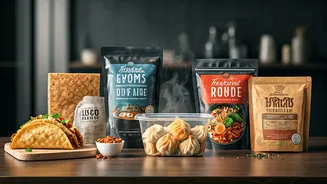
The trend isn't just about flavor; it's about format. Street food is, by its nature, designed for convenience. It’s portable, hand-held, and requires minimal fuss. This aligns perfectly with the evolution of American eating habits, which have steadily moved away from three square meals a day toward a more fluid culture of snacking and 'mini-meals.' Retailers are capitalizing on this by offering products that mimic that convenience. We're seeing single-serving frozen soup dumplings (xiao long bao) that can be microwaved in minutes, snack-sized bags of plantain chips with garlic sauce, and refrigerated, ready-to-eat packages of chicken satay with peanut sauce. It’s the street food ethos—quick, easy, and satisfying—applied to the modern, time-crunched consumer. For brands, this isn't just about launching a new product; it’s about fitting into a new lifestyle where the line between snack and meal is permanently blurred.
Big Brands and Small Startups Take a Bite
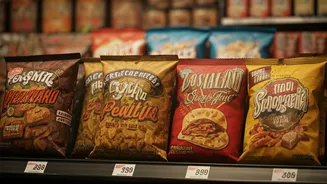
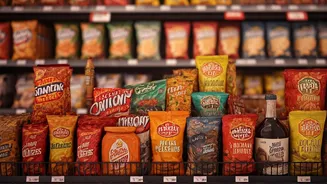
This isn't a niche phenomenon confined to coastal cities or specialty stores. While agile startups like Siete Family Foods, which brought grain-free tortillas and churro strips to the mainstream, often lead the charge, behemoth corporations are taking notice. Giants like PepsiCo (owner of Lay's) and Kellogg's (owner of Pringles) increasingly use limited-edition, street-food-inspired flavors—from Nashville Hot Chicken to Brazilian Picanha—to generate buzz and test market viability. Meanwhile, retailers like Trader Joe's and Whole Foods function as crucial tastemakers, using their private-label brands to introduce shoppers to trends like Japanese onigiri or spicy fermented condiments with less risk. Their success serves as proof-of-concept for the entire industry. When a product like frozen birria or cacio e pepe puffs flies off the shelves at Trader Joe's, it sends a clear signal to every food company in the country: the American palate has changed for good, and the street is where you'll find its future.