

The New Definition of Refreshment
For decades, the American cooler was a simple affair, filled with sugary sodas, basic juices, and maybe a diet drink or two. Refreshment was about quenching thirst and getting a quick hit of sugar and caffeine. That paradigm is officially shifting. Today’s
consumers, particularly Millennials and Gen Z, aren't just looking for a drink; they're looking for a function. They want their beverage to do something for them—boost their mood, support their digestion, sharpen their mind, or help them unwind. This is the core of the “functional beverage” boom, a category that has exploded from niche health food stores into mainstream supermarket aisles and gas station refrigerators. It represents a fundamental change in what we expect from the things we drink.
It Starts with the Gut
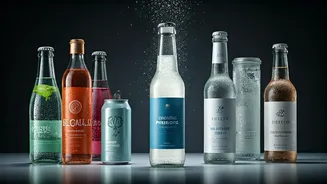
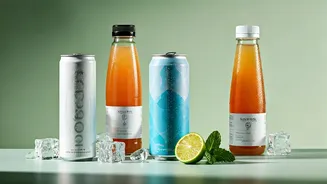
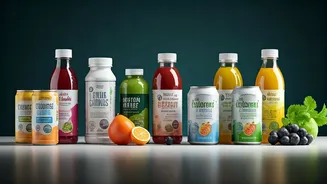
Arguably the most visible players in this new wave are the prebiotic sodas, with brands like Olipop and Poppi leading the charge. Packaged in candy-colored cans with retro fonts, they offer classic soda flavors like root beer and orange squeeze but with a fraction of the sugar and a dose of fiber to feed healthy gut bacteria. The science is simple: our gut microbiome, the community of trillions of bacteria living in our digestive tract, plays a huge role in everything from immunity to mood. Prebiotics are the food for the good bacteria. By turning a can of soda into a gut-friendly elixir, these brands have successfully tapped into the growing public obsession with digestive wellness. They’ve made gut health accessible, easy, and even trendy.
Unwinding Without the Alcohol
Another major driver of this trend is the “sober curious” movement and a broader desire for sophisticated, non-alcoholic alternatives for social situations and evening relaxation. Enter adaptogenic drinks. Adaptogens are herbs and mushrooms, like ashwagandha, L-theanine, and reishi, that are believed to help the body manage stress. Brands like Recess and Kin Euphorics market themselves as an antidote to modern anxiety, offering “calm in a can.” They provide a ritual and a sensory experience—the pop of the can, the fizz, the complex flavor—that mimics drinking a cocktail or craft beer, but without the alcohol, calories, or next-day regrets. They’re positioned not as a substitute for soda, but as a replacement for that end-of-day glass of wine.
Brain Food in a Bottle
If some drinks are for calming down, others are for powering up—without the jitters of a triple-shot espresso. Nootropic beverages are designed to enhance cognitive function, promising improved focus, memory, and mental clarity. Ingredients like Lion’s Mane mushroom, L-theanine (also popular for calm), and citicoline are appearing in everything from sparkling waters to canned coffee. These drinks appeal directly to the productivity-obsessed, a generation of workers and students looking for a competitive edge. Instead of another cup of coffee that might lead to a crash, they’re reaching for a beverage that claims to offer sustained, jitter-free focus. It’s the biohacker ethos, made convenient and delicious.
The Perfect Storm of Wellness
This isn't one isolated trend; it's a perfect storm. Decades of public health messaging about the dangers of sugar have finally sunk in. Wellness culture, amplified by social media influencers on platforms like TikTok and Instagram, has made topics like gut health and stress management mainstream dinner-table conversation. At the same time, consumers are demanding more transparency, cleaner ingredient labels, and products that align with their personal health goals. The new wave of nutrient-packed beverages sits at the intersection of all these forces, offering a convenient, photogenic, and functional solution that makes people feel like they’re making a good choice for their body, one sip at a time.