

An Escape Hatched by Empire
To understand Mahabaleshwar, you first have to understand the concept of the “hill station.” In the 19th century, British officials and soldiers governing India were desperate to escape the subcontinent's punishing summer heat. They sought refuge in the mountains,
establishing towns that mimicked the climate and architecture of a distant England. Mahabaleshwar, perched high in the Western Ghats mountain range of Maharashtra, was one such escape. Founded in the 1820s, it became the official summer capital of the Bombay Presidency. The British built stone churches, quaint cottages, and sprawling bungalows, creating an alpine village in the tropics. Today, that colonial fingerprint remains, not as a relic, but as the foundational charm of a town that has since been fully embraced as a beloved Indian destination. It’s a place where history isn’t just in a museum; it’s in the very layout of the streets and the old-world feel of its core.
Why June is Pure Magic
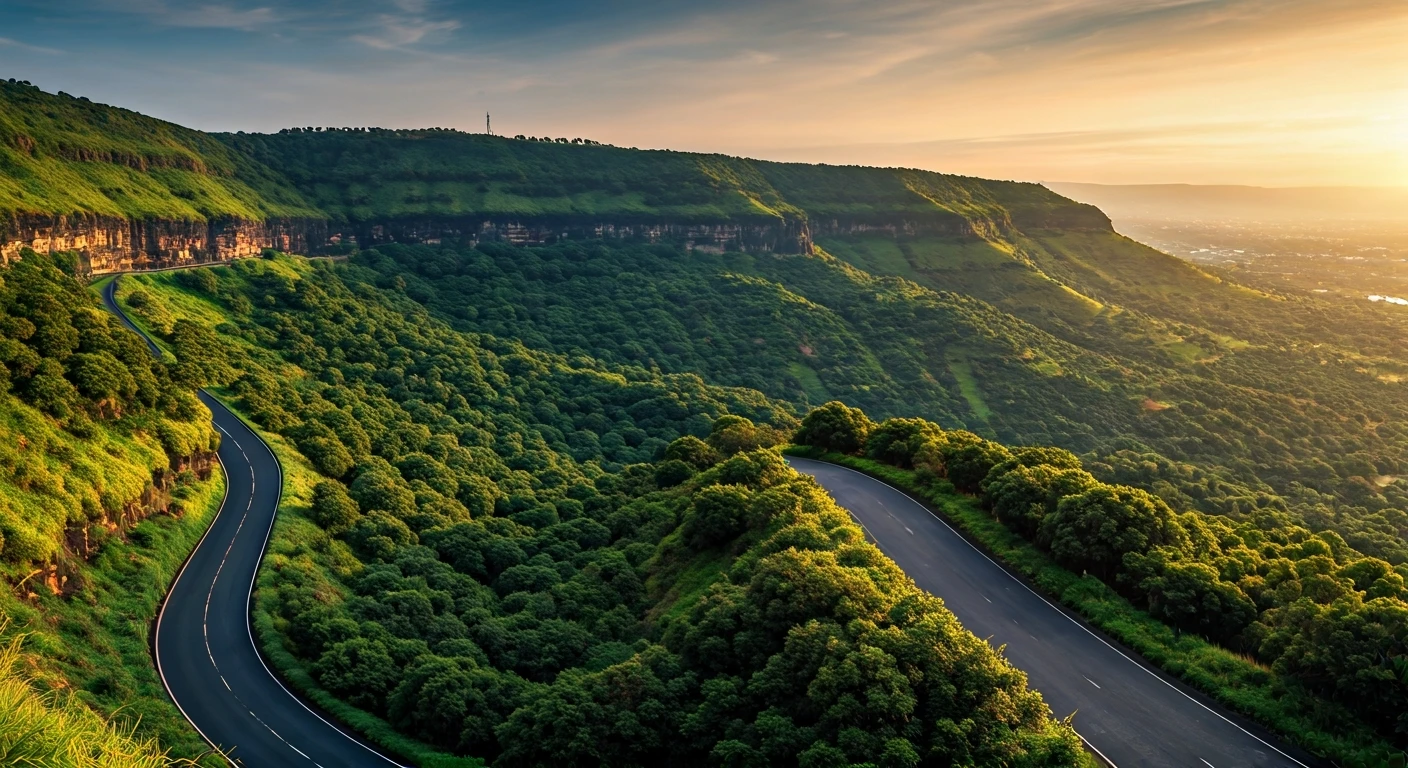
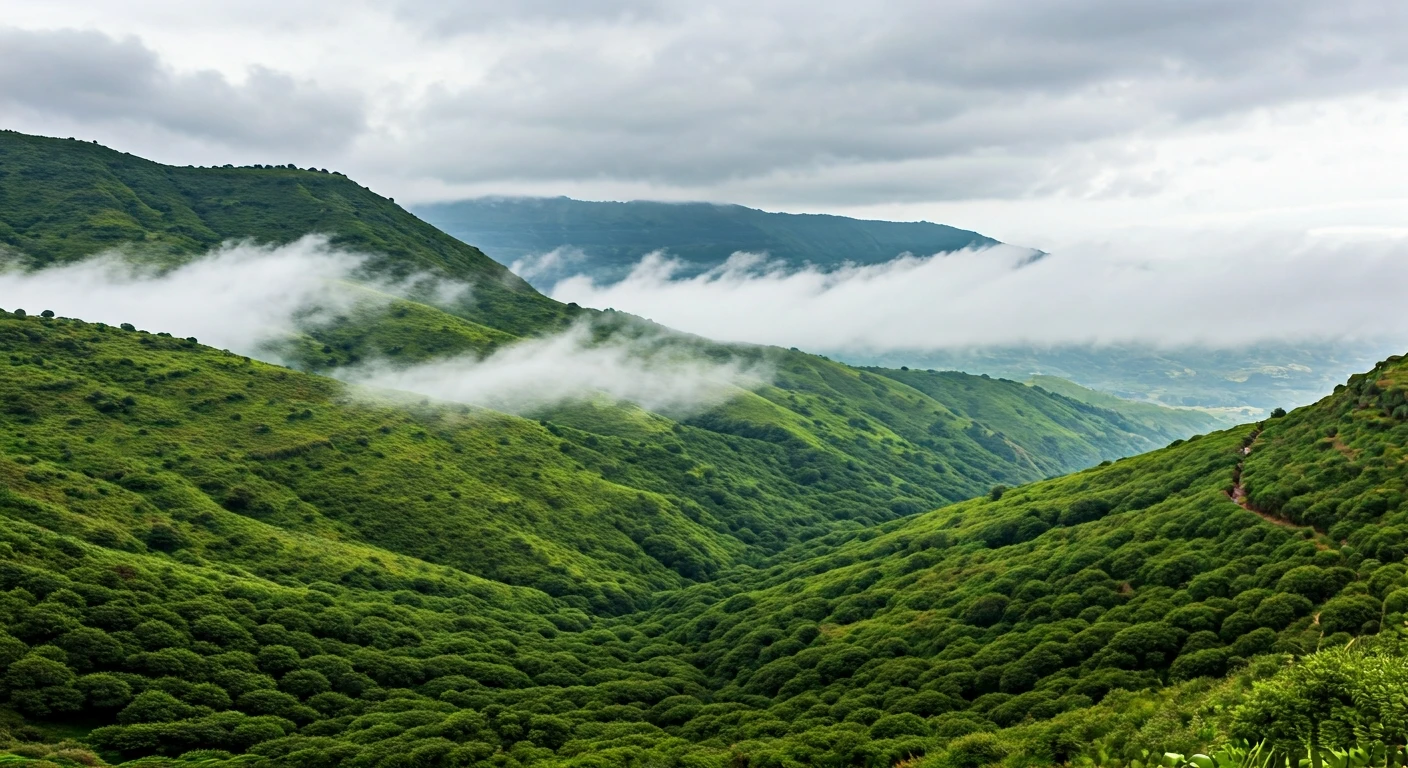
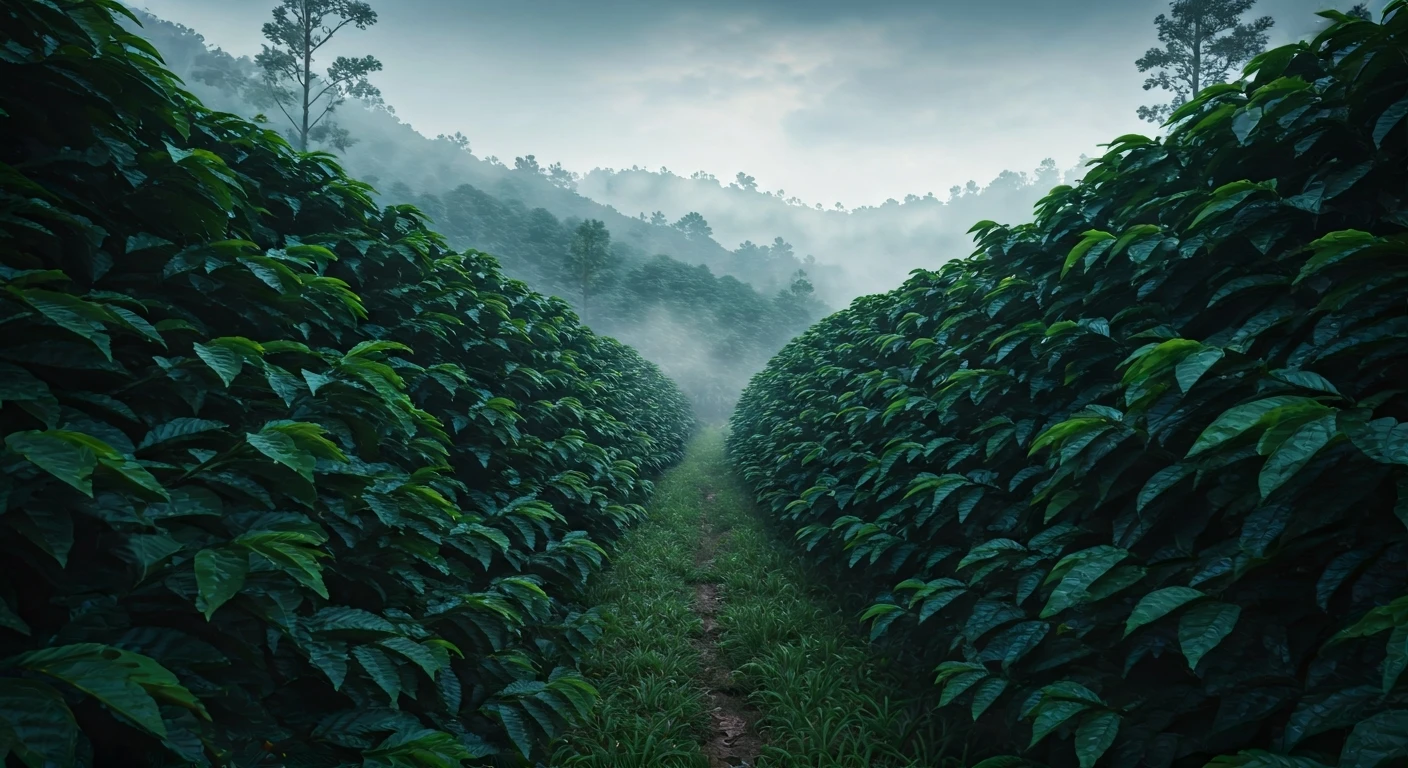
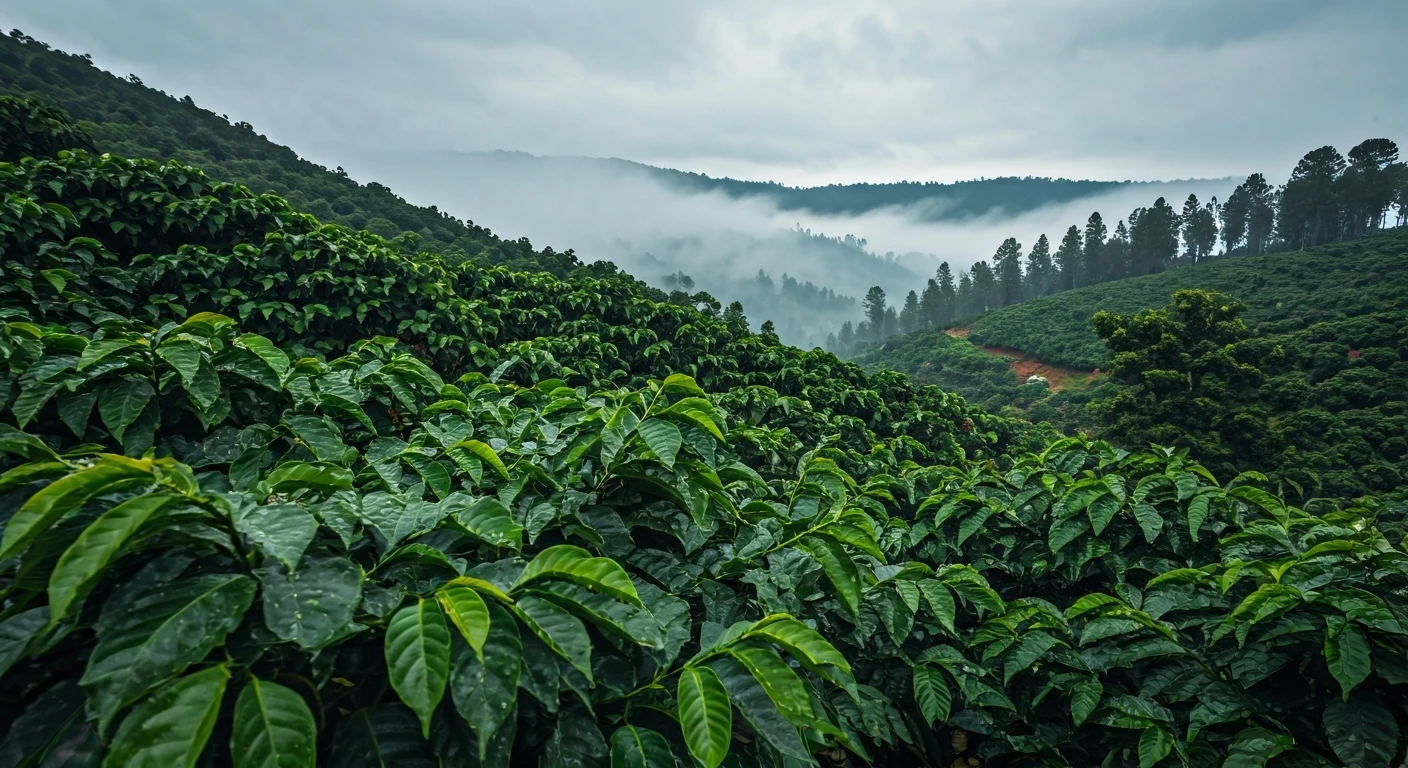
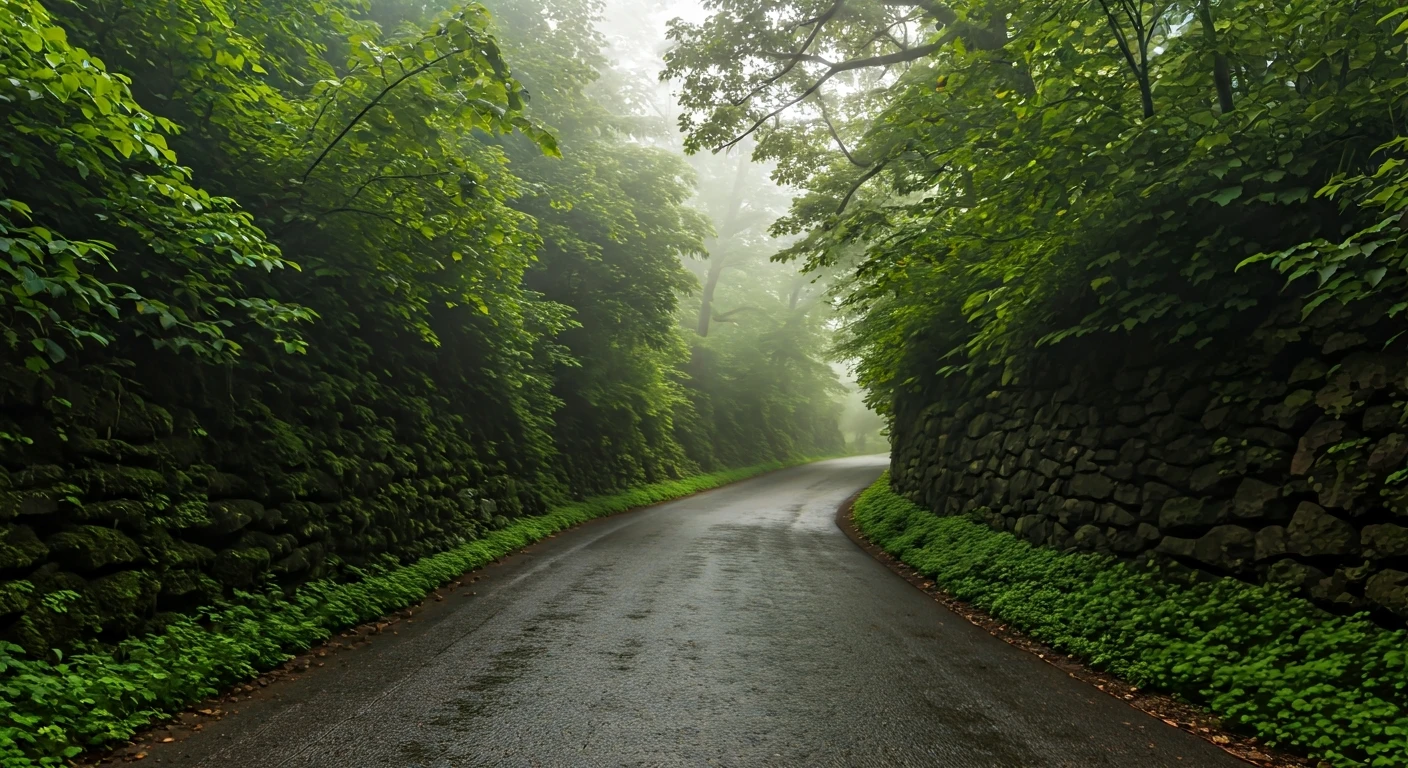
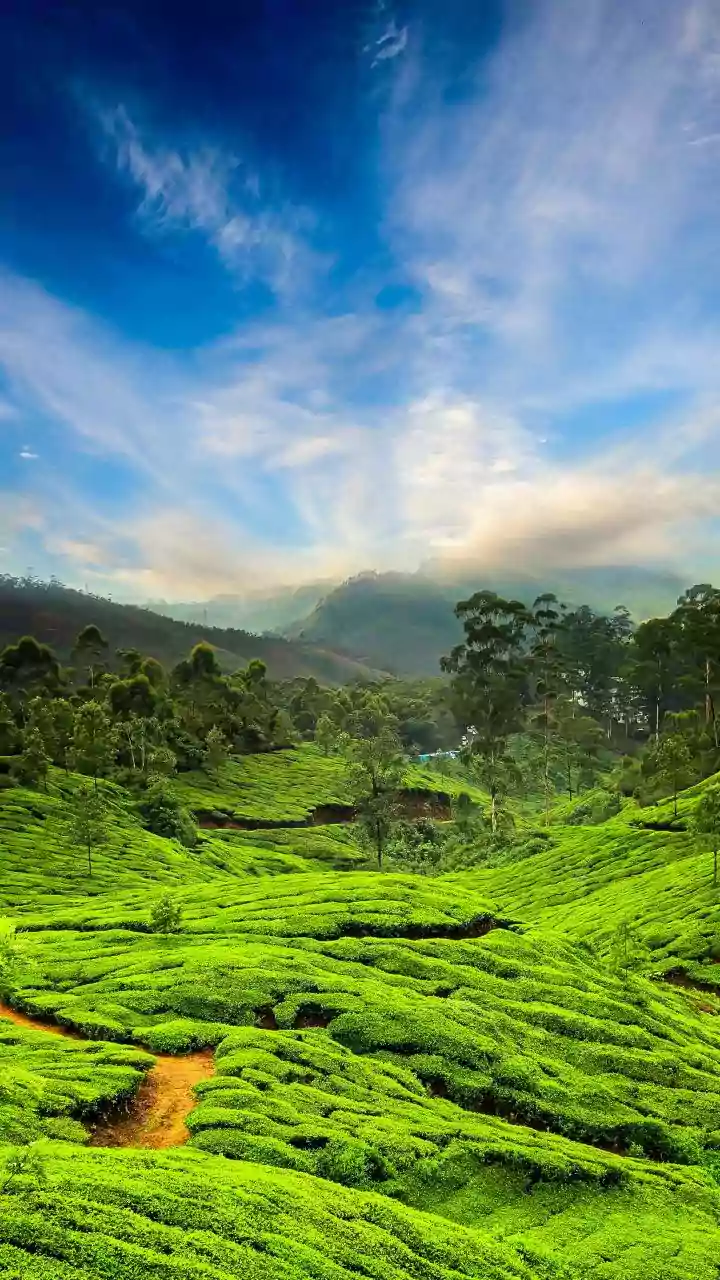
For most Western travelers, a June vacation means chasing the sun. In Mahabaleshwar, it’s the opposite. June marks the dramatic arrival of the southwest monsoon. After months of dry heat, the first rains are a celebrated, transformative event. The parched landscape erupts into an almost impossibly vibrant green. Waterfalls, dormant for months, thunder back to life. But the true magic is the mist. A thick, cool fog blankets the hills, rolling through the valleys and weaving through the pine forests. Driving along the winding roads, you can feel like you’re floating through the clouds. It’s a romantic, moody, and deeply atmospheric experience that provides a profound sense of relief and renewal. This isn’t a trip for sunbathing; it’s for cozying up with a hot cup of chai and watching the drama of the weather unfold.
Chasing Views and Strawberries
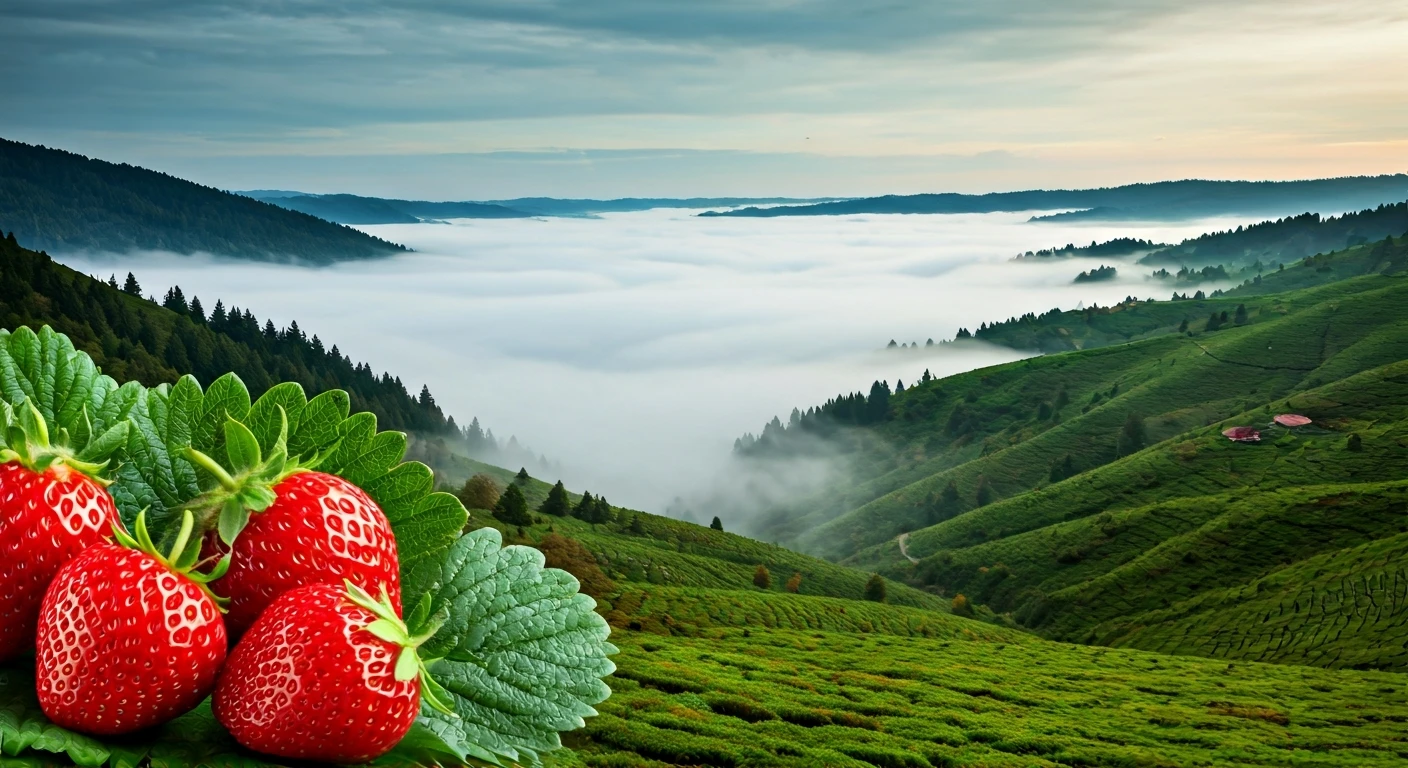
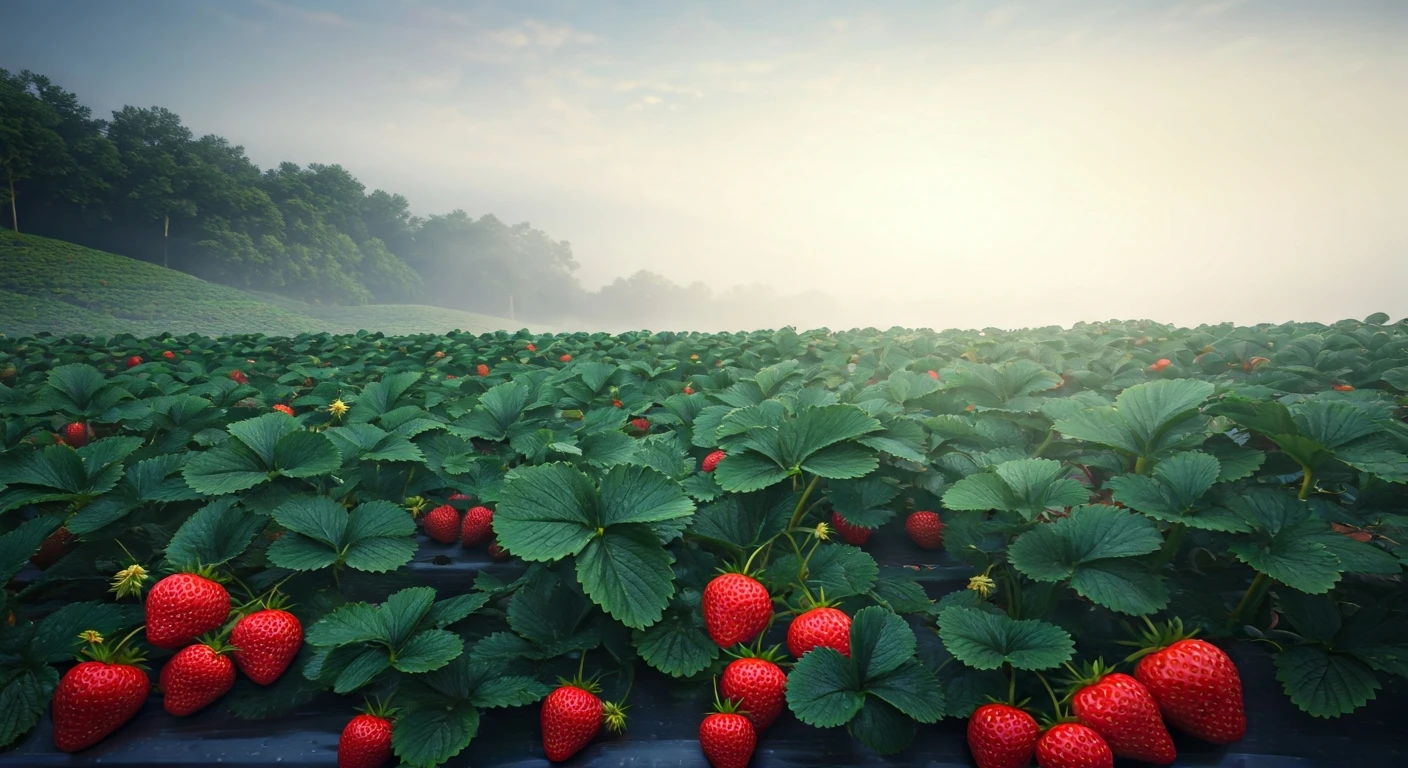
Mahabaleshwar is famous for its panoramic viewpoints, with names that echo its colonial past, like Arthur's Seat, Wilson Point, and Kate's Point. On a clear day, these spots offer breathtaking vistas of the deep valleys and surrounding plateaus. In June, however, the “view” is often a mesmerizing wall of white fog, an experience that locals find just as captivating. The thrill is in the fleeting moments when the clouds part, revealing the emerald landscape below for a few precious seconds before closing again. But the town's most famous export is strawberries. While the peak picking season is in the winter, Mahabaleshwar is synonymous with them. All year round, you can find shops selling fresh strawberry cream desserts, jams, syrups, and ice creams. Visiting a farm or simply indulging in these sweet treats is a non-negotiable part of the Mahabaleshwar experience, a literal taste of the region's bounty.
An Enduring Urban Retreat
The British may have founded it, but Mahabaleshwar's modern identity is shaped by its proximity to the bustling megacities of Mumbai and Pune. For millions of urbanites, it remains the quintessential weekend escape. The less-than-five-hour drive offers a complete sensory reset: trading traffic noise for the sound of rain, concrete skylines for misty green hills, and oppressive humidity for cool mountain air. Generations of families have made the pilgrimage, creating a deep sense of nostalgia. It’s where children first see clouds beneath their feet and where couples go for romantic, rain-drenched strolls. While flashier, more modern destinations have emerged, the classic appeal of Mahabaleshwar—its accessibility, its natural beauty, and its serene, old-world vibe—hasn’t faded. It’s a tradition that endures because the need it fulfills is timeless.