




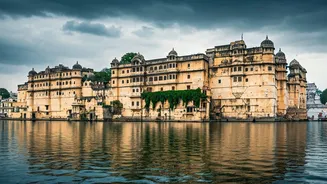


A City Washed Anew
For much of the year, Udaipur bakes under the fierce Rajasthani sun. The city, a jewel of Rajputana architecture, shimmers in the heat, its white palaces reflecting a harsh, brilliant light. But when the monsoon arrives, typically from July through September,
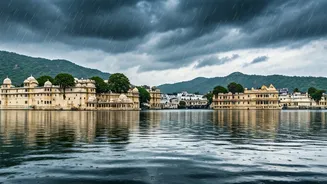
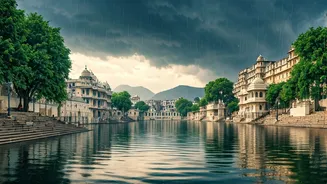
a profound transformation occurs. The oppressive heat breaks, replaced by a cool, petrichor-scented breeze that sweeps through narrow alleyways and across grand courtyards. The dust of the preceding months is washed away, revealing the true, deep colors of the city. The ivory marble of the City Palace seems to glow with a soft, internal luminescence, and the vibrant blues and greens of traditional paintings adorning doorways appear richer, more alive. The world, once bleached by the sun, is suddenly saturated with color and life.
The Soul of the Lake
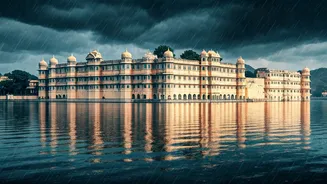
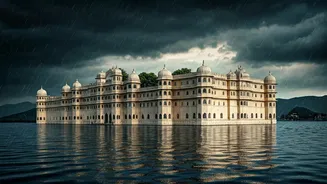
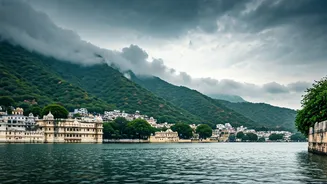
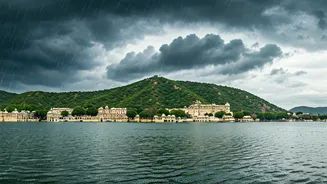
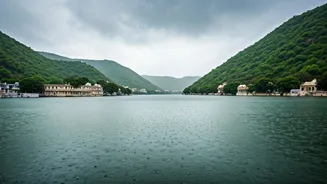
Udaipur’s identity is intrinsically tied to its man-made lakes, particularly the sprawling Lake Pichola. In the dry season, the water levels can recede, but the monsoon replenishes them with a quiet urgency. The lakes swell, their surfaces textured by the constant drumming of rainfall. A boat ride, a tourist staple, becomes an entirely different experience. Instead of gliding under a clear blue sky, you move through a moody, impressionistic painting. The iconic Lake Palace and Jag Mandir island hotels appear to float ethereally in the mist, their details softened by the rain. The surrounding Aravalli Hills, brown and barren for most of the year, erupt in a sudden, impossible green, their slopes disappearing into the low-hanging clouds. It’s a scene of quiet grandeur, where the rhythmic splash of the oars and the gentle rain are the only sounds.
Palaces Wrapped in Clouds
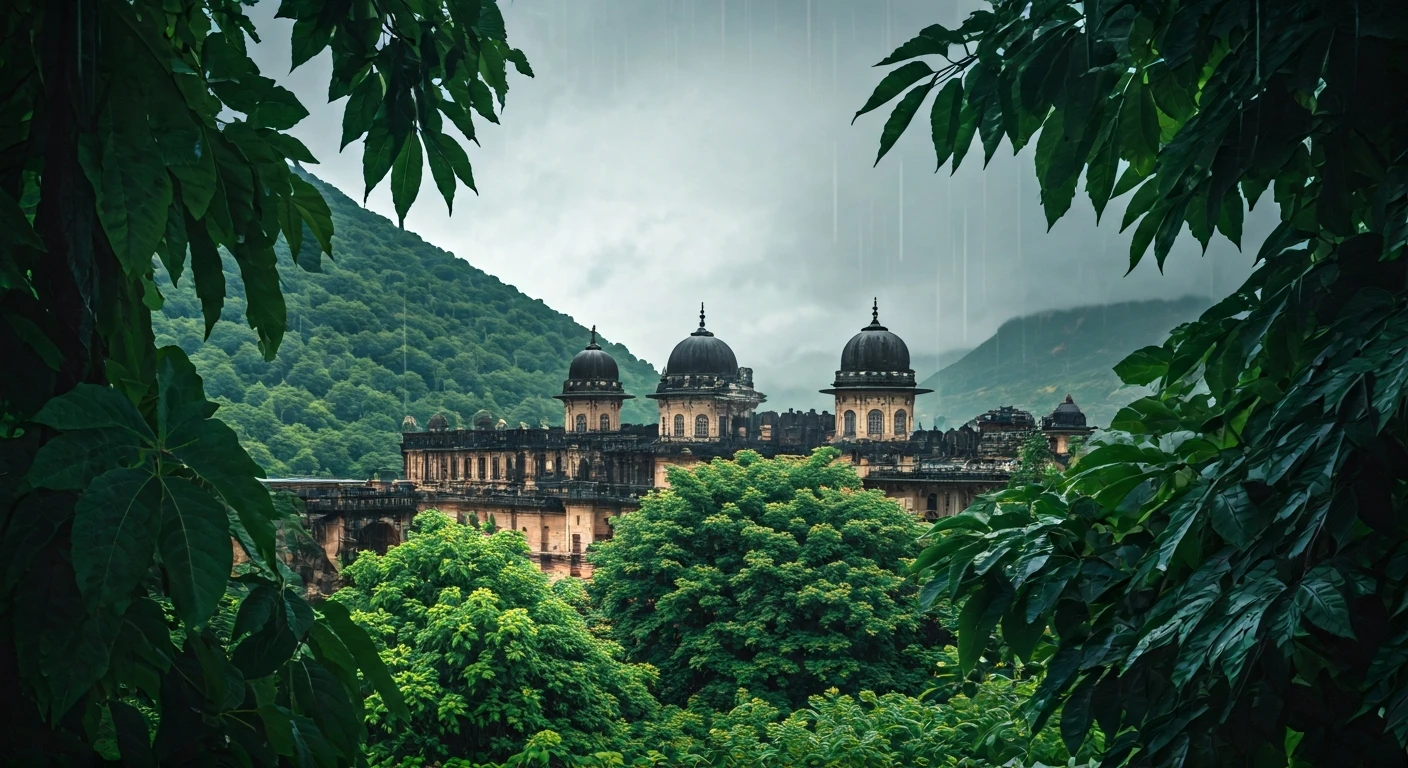
The romance of rainy Udaipur is best observed from a high vantage point. Perched atop a hill, the Monsoon Palace, or Sajjangarh, was built for this very purpose: for royalty to watch the gathering storm clouds. Looking down from its ramparts, you can see the weather rolling in, a dramatic spectacle of light and shadow playing across the landscape. The city below becomes a tapestry of grays, whites, and greens, punctuated by the shimmering lakes. Even within the sprawling City Palace complex, romance finds a new frame. Staring out from a 'jharokha'—an ornate, overhanging balcony—you can watch the rain streak across the ancient glass, distorting the view of Lake Pichola into a watery mosaic. In these moments, it’s easy to feel like you’ve stepped back in time, a silent observer in a royal court waiting for the storm to pass.
The Comfort of the Storm
The magic isn’t just in the grand vistas; it’s in the small, intimate moments the weather encourages. The monsoon season drives life indoors, fostering a sense of coziness. Street vendors adapt, their carts now offering steaming cups of masala chai and plates of hot, crispy 'pakoras' (fritters) to be enjoyed while sheltering under an awning. Cafes overlooking the lake become sought-after havens, their window seats offering the perfect perch to read a book or simply watch the rain. The city’s pace slows. There’s no rush. The weather invites you to linger, to talk, to connect. This is where the romance becomes truly effortless—it isn’t manufactured by grand gestures, but found in the simple, shared pleasure of being warm and dry while the world outside is cleansed by the storm.