




It’s Not About Temperature
First, let’s get one thing straight. When we talk about “cooling foods” in the context of traditional Indian wellness, specifically Ayurveda, we’re not talking about ice cream or a cold beer. While those might offer a fleeting chill, the concept here
runs much deeper. It’s about a food’s inherent energy and its metabolic effect on your body after you’ve digested it. In Sanskrit, this is called *virya*. Some foods are believed to stoke your internal metabolic “fire” (*agni*), making them “heating.” Others are thought to calm and soothe that fire, making them “cooling.” Think of it like this: a spicy chili is heating, creating warmth and sweat, while a cool slice of cucumber feels hydrating and calming, even if both are served at room temperature. This idea of an internal thermostat, managed by diet, has been a cornerstone of health in India for thousands of years.
The Ayurvedic Balancing Act
So why does this matter? According to Ayurveda, our bodies are governed by three primary energies, or *doshas*: Vata (air/ether), Pitta (fire/water), and Kapha (earth/water). The Pitta dosha is associated with heat, metabolism, and digestion. When Pitta is in excess—often exacerbated by hot weather, stress, or spicy, oily foods—it can manifest as inflammation, skin irritation, acid reflux, and a general feeling of being overheated and irritable. The goal is always balance. Eating cooling foods is the primary way to pacify an aggravated Pitta. This isn't just for people who identify as a “Pitta type.” It’s a tool anyone can use, especially during the sweltering summer months, to maintain equilibrium, stay hydrated, and support smoother digestion when your body is already dealing with external heat.
Your Cooling Foods Shopping List
Ready to rebalance your internal thermostat? The best part about this “hack” is that it’s based on whole, simple foods that are likely already in your grocery store. Here’s a quick guide to some of the most common and effective cooling foods:
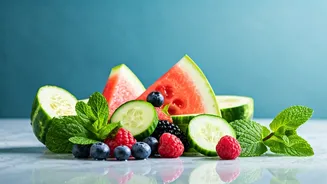
* **Fruits:** Watermelon, cantaloupe, honeydew, coconuts, grapes, pears, apples, and pomegranates. These are typically sweet, juicy, and hydrating.
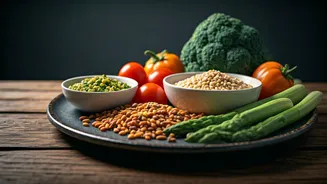
* **Vegetables:** Cucumber, zucchini, leafy greens (like lettuce and spinach), broccoli, cauliflower, asparagus, and celery. Think green and water-rich.
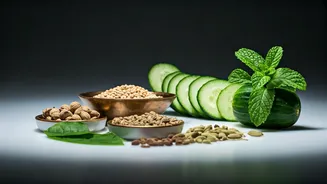
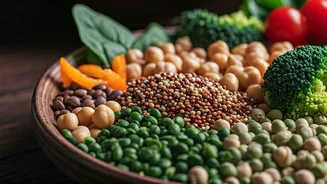
* **Grains & Legumes:** Basmati rice, barley, oats, and mung beans are considered cooling and easy to digest.
* **Herbs & Spices:** Cilantro, mint, fennel, and coriander are superstar cooling herbs. They add flavor without adding heat.
* **Dairy:** Milk, butter, and ghee (clarified butter) are considered cooling. Yogurt, while often eaten cold, is technically considered slightly heating due to its sour fermentation process, but its cooling effect often prevails in practice, especially when mixed with water or herbs in a drink like *lassi*.
Simple Ways to Eat Cool
Incorporating these foods doesn't require a radical diet overhaul. It’s about making small, intentional swaps.
* **Hydrate Smarter:** Instead of plain ice water, try water infused with cucumber slices, mint leaves, and a squeeze of lime. Or, sip on coconut water, which is naturally packed with electrolytes and considered extremely cooling.
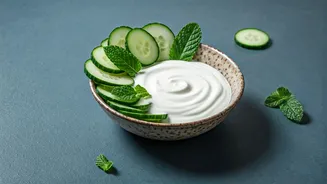
* **Make a Raita:** This classic Indian side dish is the perfect cooling antidote to a rich meal. Simply mix plain yogurt with grated cucumber, chopped mint or cilantro, and a pinch of salt. It’s a probiotic-rich, hydrating dip or sauce.
* **Build a Better Salad:** Go beyond basic lettuce. Build a hearty salad with chopped cucumber, steamed asparagus, cooked mung beans, and a sprinkle of pomegranate seeds. Dress it with a simple mix of olive oil, lime juice, and fresh cilantro.
* **Rethink Your Grains:** Swap heavier, heating grains for light and fluffy basmati rice or a simple barley soup. These are gentler on the digestion, especially on hot days.