
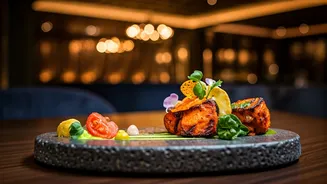
The Humble Vegetable Takes Center Stage
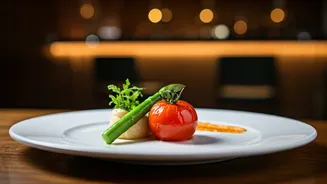
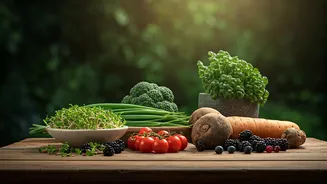
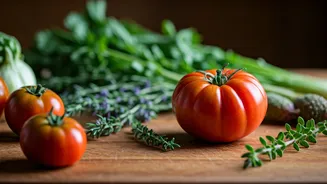
For years, the protein was the star and vegetables were the backup singers. That hierarchy has collapsed. Now, chefs are treating vegetables with the same reverence once reserved for a dry-aged steak. Summer plates are bursting with heirloom tomatoes
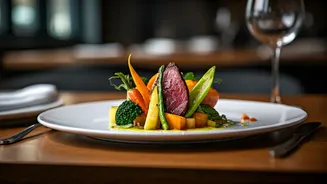
in a dozen colors, shaved zucchini ribbons forming a delicate nest, or a whole roasted carrot glazed and seasoned into a showstopper. This isn't about hiding the meat; it's about celebrating the peak-season flavor and stunning natural beauty of produce. It’s smarter because it’s more sustainable, often more affordable for the kitchen, and aligns with diners’ growing desire for plant-forward, nutrient-dense meals that don't feel like a sacrifice.
Embracing Perfect Imperfection
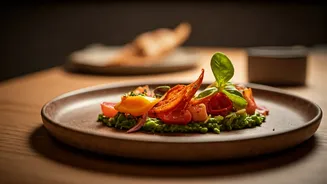
Remember the era of tweezer-perfect microgreens, geometric sauce smears, and food stacked into precarious towers? The new school of thought is a rebellion against that rigidity. Chefs are embracing a more organic, naturalistic style sometimes called “perfectly imperfect.” Ingredients are often arranged to look as if they’ve been casually, artfully scattered across the plate. A crumble of cheese might be sprinkled with a free hand; a sprig of dill might land slightly off-center. This isn't laziness; it’s a confident, less-is-more aesthetic that telegraphs freshness and authenticity. It trusts the ingredients to be beautiful on their own terms, without needing to be forced into an unnatural shape.
Sauces That Float, Not Smother
Heavy, opaque sauces made with cream and butter have their place, but in summer, they can feel leaden. The smart move is toward lighter, more transparent preparations that enhance rather than mask. Think infused oils, vibrant vinaigrettes, and clear, intensely flavored broths or consommés poured tableside. A popular technique is the “broken” vinaigrette, where the oil and vinegar are only lightly emulsified, creating beautiful pools of color and texture. These sauces bring acid and brightness, cutting through richness and making the entire dish feel more energetic and suited to a warm evening. The flavor is concentrated, but the feeling is light.
Waste-Not, Want-Not Garnishes
That crispy little flourish on top of your fish? It might be made from the skin of the potato that was used for your purée. The intensely green oil drizzled around your pasta? It could be blended from the stems of the parsley that went into the dish. This is the heart of smart, sustainable styling. Chefs are looking at every part of an ingredient as a potential component, turning what was once considered kitchen waste into a delicious, texturally interesting garnish. Vegetable peels are fried into crisps, herb stems are blitzed into oils, and cheese rinds are steeped into broths. It’s a win-win: the restaurant reduces waste and saves money, and the diner gets a plate with more complexity, texture, and a better story.
Color Straight from the Garden
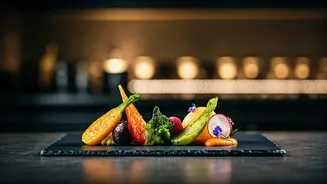
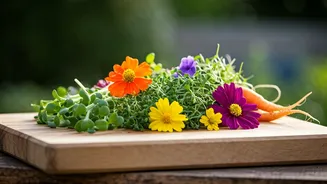
The most visually arresting summer plates are often the most natural. Instead of relying on artificial coloring or contrived powders, chefs are using the inherent vibrancy of the ingredients themselves. The deep purple comes from a beet purée, the brilliant orange from a carrot-ginger emulsion, and the shocking pink from pickled red onion or radish. Edible flowers are used not just for decoration but for their subtle peppery or sweet flavors. The effect is a plate that looks like a painter’s palette drawn from a summer garden. This approach celebrates seasonality and communicates freshness at a glance—we’re hardwired to see bright, natural colors as healthy and delicious.