




The Sound of Quiet
In the world of Himalayan travel, a handful of names dominate the conversation: Shimla, Manali, Darjeeling. They are beautiful, historic, and almost always buzzing with an energy that can feel less like a mountain escape and more like a high-altitude
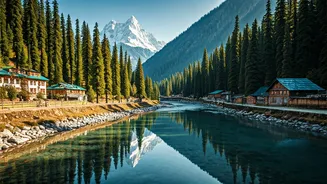
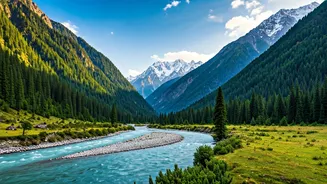
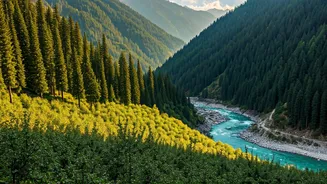
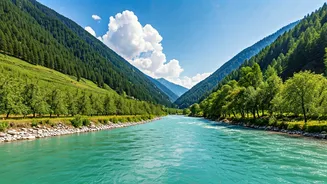
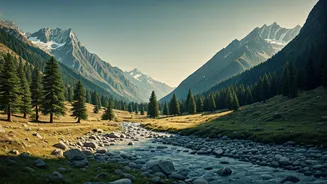
city break. Harsil, nestled in the Indian state of Uttarakhand, operates on a different frequency. Here, the loudest sound is often the roaring Bhagirathi River carving its way through the valley. The 'tourist noise' mentioned in so many travel guides is conspicuously, wonderfully absent. This is a place where you trade the cacophony of horns and hawkers for the rustle of wind through dense deodar cedar forests and the distant, melodic clanging of temple bells. The village, which also serves as an army cantonment area, has an inherent sense of order and tranquility. It’s not a place packed with attractions; it’s a place that *is* the attraction. The primary activity is simply being present—walking along the riverbank, finding a sun-drenched rock to sit on, and letting the sheer scale of the landscape reset your internal rhythm.
Himalayan Drama on Full Display
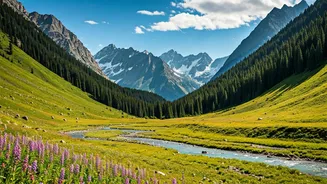
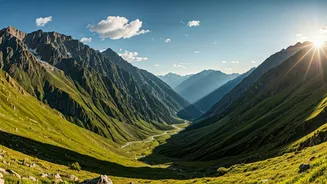
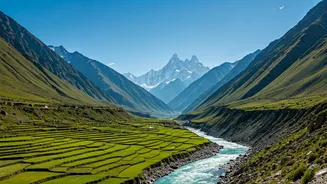
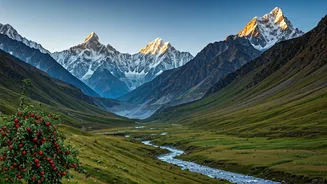
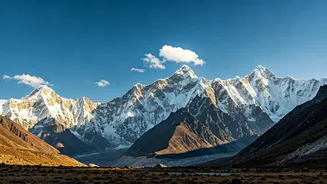
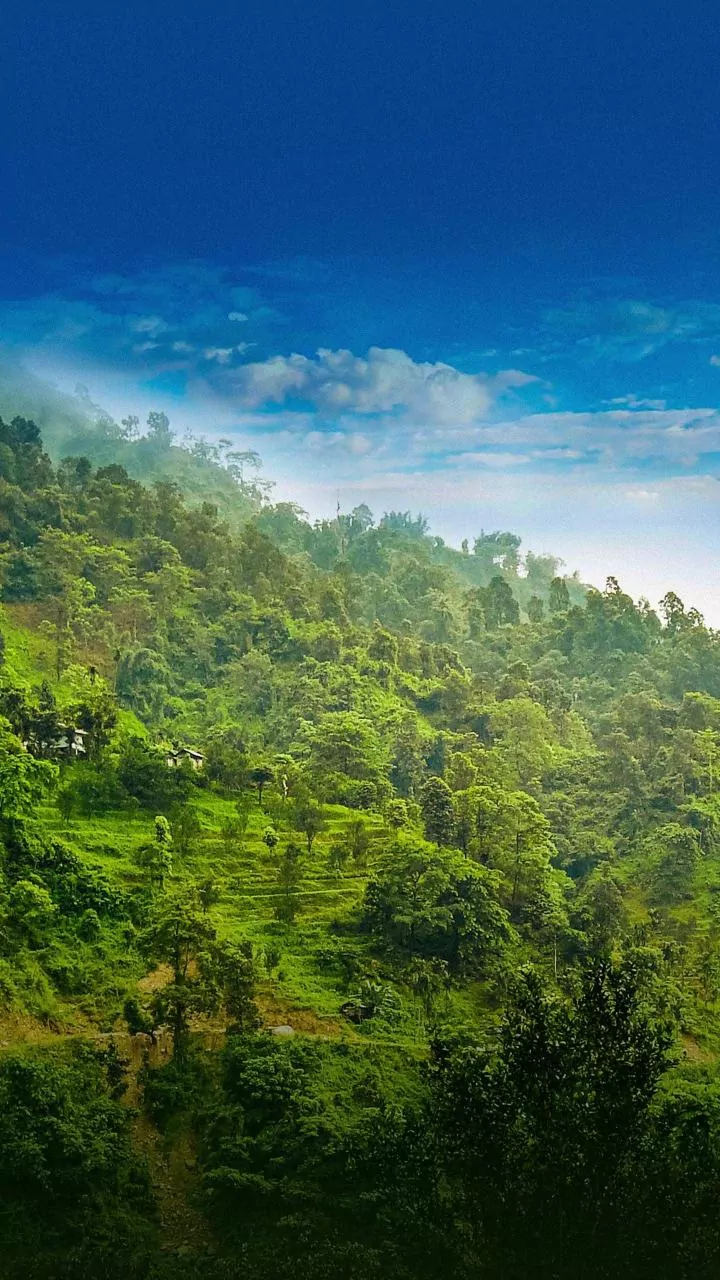
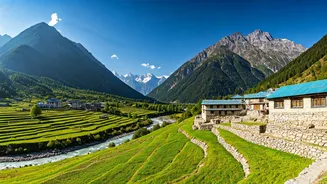
The promise of 'mountain drama' is not an overstatement. Harsil is cupped by towering, snow-dusted peaks that seem to change personality with the shifting light. Mornings bring a crisp, golden glow that illuminates the jagged ridgelines. Afternoons can see dramatic clouds rolling in, temporarily swallowing the summits before parting again to reveal a view that feels entirely new. This isn't the filtered, framed vista from a hotel balcony; it's an immersive, 360-degree experience. The valley floor itself is a tapestry of greens, from the deep emerald of the cedar and pine forests to the lighter shades of the terraced fields. The Bhagirathi River, considered a source stream of the sacred Ganges, is a constant, powerful presence. Its glacial-blue waters tumble over boulders, creating a dynamic soundtrack to the serene visuals. This is nature’s theater, and in Harsil, you have a front-row seat without having to jostle for position.
Of Apples and Legends
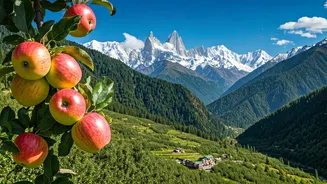
Harsil’s charm is deepened by its stories. The valley is famous for its apple orchards, which produce some of the most flavorful apples in the country. The story goes that a British adventurer, Frederick 'Pahari' Wilson, settled here after the Sepoy Mutiny of 1857, married a local woman, and introduced apple cultivation to the region. Walking through these orchards, especially during the blossom or harvest seasons, adds a layer of fragrant, man-made beauty to the wild landscape. Wilson’s 'haunted' cottage is still a point of local lore, a reminder of the valley’s layered history. Beyond the legends, the rhythm of local life is simple and unhurried. You’ll see villagers tending to their fields, shepherds guiding their flocks, and life moving at a pace dictated by seasons, not schedules. This authenticity is a core part of the appeal for travelers weary of manufactured experiences.
A Gateway to the Sacred
While Harsil is a destination in its own right, it also serves as a crucial, peaceful stop for those on a greater journey. It lies on the main route to Gangotri, one of the four sacred 'Char Dham' pilgrimage sites for Hindus and the source of the Ganges River. Many pilgrims and trekkers choose to acclimatize in Harsil’s gentle embrace before ascending to Gangotri’s harsher, higher-altitude environment. This proximity lends the valley a subtle spiritual energy. It feels like a gateway, a place of preparation and contemplation before entering a more sacred realm. For the non-pilgrim, it simply adds another dimension to the experience, connecting the profound beauty of the landscape to the deep cultural significance it holds for millions.