




The Closing Monsoon Window
The headline isn't an exaggeration, but it requires context. Every year, the national parks of Central India, including the world-renowned Kanha and Pench Tiger Reserves, shut their gates to visitors. This isn't due to a lack of interest, but an act of nature:
the arrival of the monsoon. Typically beginning around the end of June or the first of July, the torrential rains make safari tracks impassable and give the jungle a much-needed chance to rejuvenate. This closure lasts until mid-October. That means that the month of June represents the last chance for safari-goers to explore these parks. It's a 'final window' that is both challenging and incredibly rewarding, offering a unique set of conditions for what many consider the ultimate wildlife prize.
Kanha: Kipling’s Real-Life Jungle
If you grew up with Rudyard Kipling’s *The Jungle Book*, you already have a sense of Kanha National Park. This is the land that inspired his tales of Mowgli, Baloo, and the fearsome Shere Khan. Spread across a vast expanse of sal forests and grassy meadows in the state of Madhya Pradesh, Kanha feels epic in scale. The park is celebrated for its successful conservation programs, which have helped its tiger population rebound. A safari here is a journey into a living storybook. Jeeps traverse rolling hills and open plateaus where herds of barasingha (swamp deer), a species Kanha famously saved from extinction, graze peacefully. But the true quest is for the tiger. The park's diverse habitats provide ample cover, but also excellent opportunities for sightings, making every moment electric with possibility.
Pench: The River and the Pack
Just a few hours’ drive from Kanha lies Pench Tiger Reserve, a park with a distinctly different character. Also deeply connected to *The Jungle Book*—many believe its riverine landscape was the specific setting for the wolf pack's territory—Pench is defined by the river that flows through its heart. The terrain is rockier and drier, dominated by teak forests. The park is famous not only for its tigers but also for its healthy population of dholes, or Indian wild dogs, giving visitors a chance to see another formidable apex predator. Safaris in Pench often track along the riverbed, a natural corridor for wildlife. Leopards are frequently spotted lounging on rocky outcrops, and the birdlife is spectacular. While smaller than Kanha, Pench offers a dense and dramatic wildlife experience, a perfect counterpoint to its larger neighbor.
Is the Heat Worth the Reward?
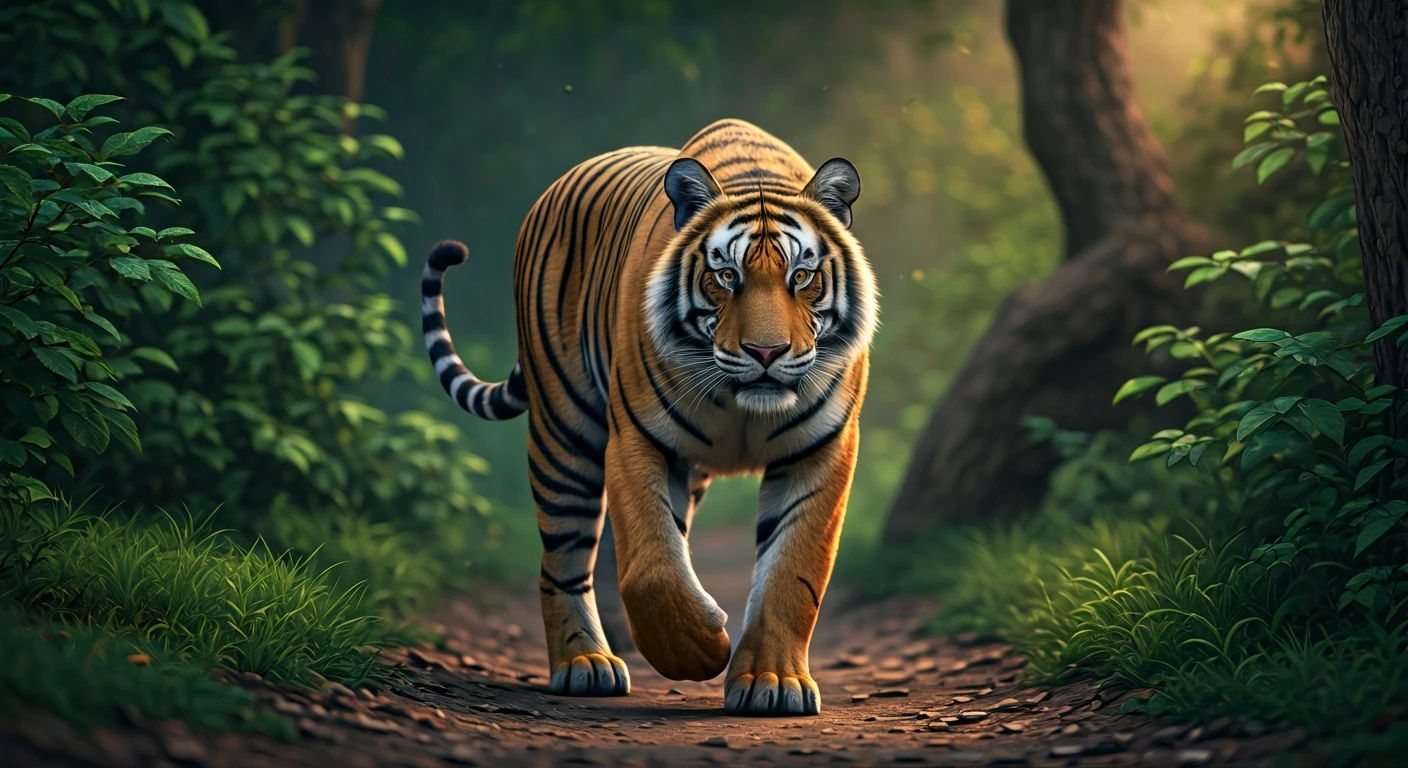
Visiting Central India in June is not for the faint of heart. Temperatures can soar well over 100°F, and the sun is intense. So why go? Because the heat is your greatest ally. As the landscape dries up before the monsoon, water becomes the most valuable resource in the jungle. The parks' numerous small waterholes and the last remaining pools in the riverbeds become magnets for all animals. Thirsty tigers, normally elusive and solitary, are forced to abandon the cool of the deep forest and make their way into the open for a drink. This dramatically increases the odds of a sighting. Guides know exactly which waterholes are active, and a patient wait can yield an unforgettable reward: a magnificent Bengal tiger emerging from the foliage, unbothered by its audience as it quenches its thirst. The discomfort of the heat melts away in an instant.
What to Expect on Safari
A tiger safari is a structured and thrilling adventure. Days start before dawn, with a quick coffee before heading out in an open-air 4x4 jeep, known as a Gypsy. Accompanied by a forest guide and a driver, you venture into a designated park zone. The guides are masters of tracking; they listen for the alarm calls of deer and monkeys, look for fresh pugmarks in the dust, and communicate with other jeeps to triangulate a tiger's location. It’s a collective hunt that builds immense anticipation. Between the search for tigers, you’ll encounter India’s other incredible wildlife: lumbering sloth bears, massive gaur (Indian bison), sly jackals, and countless species of birds. The safari is not just about the destination of seeing a tiger, but the entire immersive journey into one of the planet's most vibrant ecosystems.