






Practice Runs and Carrier Acclimation
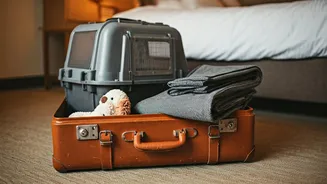
The single biggest mistake owners make is assuming their pet will be fine in a carrier for hours on end, especially if it's their first time. Weeks before your trip, make the carrier a safe, positive space. Leave it open in your living room with treats
and favorite toys inside. Start with short car rides to fun places like a park, gradually increasing the duration. The goal is to desensitize your pet and build a positive association with the carrier and the motion of travel, rather than having their first experience be a stressful, long-haul journey.
The In-Transit Comfort Kit
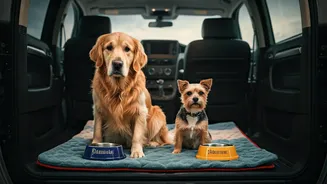
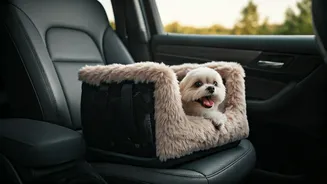
Beyond a travel bowl and a small bag of food, a well-packed comfort kit can be a lifesaver. Include a favorite blanket or an old t-shirt that smells like you, which can have a significant calming effect. Pack a few familiar, durable chew toys to alleviate boredom and anxiety. Also essential: pet-safe cleaning wipes for accidents, a collapsible water dish, and any necessary medications. For long road trips, a simple harness seatbelt can provide security while allowing more freedom than a crate.
Scout Your Destination's Pet Rules
Being 'pet-friendly' means different things to different establishments. Your hotel may allow pets, but do they have size restrictions, extra fees, or rules against leaving a pet unattended in the room? Research local ordinances before you arrive. Are there leash laws? Which parks or beaches allow dogs? Are there any pet-friendly restaurant patios? Showing up with a plan prevents the stressful scenario of being stuck in a hotel room because you can’t find anywhere to go with your companion.
Create a Local Emergency Plan
You have a plan for a human medical emergency, and your pet deserves the same. Before you leave, identify the nearest 24-hour emergency veterinary clinic to your accommodation. Save their address and phone number in your phone. It's also wise to have the ASPCA Animal Poison Control Center number (888-426-4435) handy. A few minutes of research ahead of time can be invaluable in a crisis, saving you from frantically searching for help in an unfamiliar city with a sick or injured pet.
Don't Forget Their Mental Health
Travel disrupts routines, which can be deeply unsettling for animals. Try to maintain some sense of normalcy. Stick to their regular feeding and walking schedules as much as possible. When you arrive, give them time to explore their new environment safely while you unpack. Make sure to schedule downtime. A packed itinerary might be fun for you, but your pet needs breaks and quiet time to decompress, nap, and feel secure. A stressed pet is not a happy traveler.
Consider a 'Pet Sitter' Fund
Even on a pet-focused trip, you may want to do something that isn’t animal-friendly, like a nice dinner out or a visit to a museum. Instead of leaving your pet alone in a strange hotel room—which can cause anxiety and destructive behavior—plan ahead. Research local, bonded, and insured pet-sitting or dog-walking services in your destination city. Building the cost of a sitter for a few hours into your travel budget gives you freedom and ensures your pet is being cared for, not just cooped up.