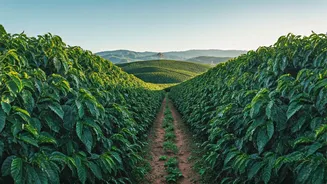




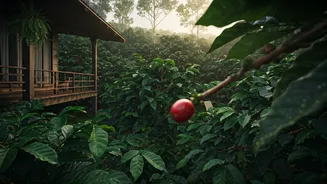




Where Green Hills Meet the Clouds
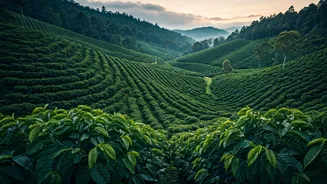
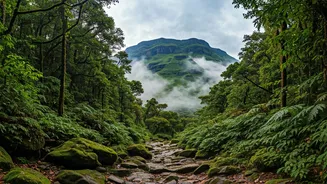
Forget what you think you know. India’s coffee country isn't a single place but a verdant wonderland stretching across the Western Ghats, a mountain range so lush it’s a UNESCO World Heritage site. The epicenter is the state of Karnataka, home to two
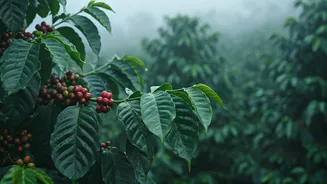
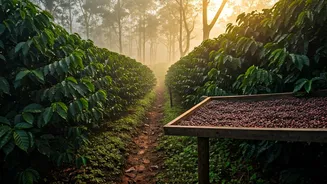
regions that sound like they’re straight out of a fantasy novel: Coorg (Kodagu) and Chikmagalur. Picture this: winding roads carve through hills blanketed in a million shades of green. Mist clings to the valleys in the morning, and the air is perpetually cool and clean. This isn’t the India of bustling megacities; it's a place where time slows down, paced by the rhythm of rainfall and the lifecycle of the coffee cherry. The landscape itself is the first part of the experience—a tranquil, soul-soothing backdrop for the adventure to come.
The Legend of the Seven Seeds
Unlike in many parts of the world where coffee arrived with colonial trade, India’s coffee story has a more mythic origin. Legend has it that in the 17th century, a Sufi saint named Baba Budan smuggled seven precious coffee beans out of Yemen, strapped to his chest. At the time, Arabia fiercely controlled its coffee monopoly, forbidding the export of fertile beans. Baba Budan planted these seven seeds in the hills of Chikmagalur, which literally means “Younger Daughter's Town.” From those seven seeds, an entire industry was born. Today, a shrine to Baba Budan stands in the hills that bear his name, a pilgrimage site for people of all faiths and a testament to the region’s deep, almost spiritual connection to the crop.
A Different Kind of Brew
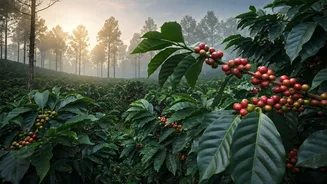
Indian coffee is unique, primarily because it's almost entirely shade-grown. Unlike the vast, sun-drenched fields you might see in other parts of the world, here the coffee plants (both Arabica and Robusta) thrive under the canopy of massive rosewood, jackfruit, and fig trees. This multi-tiered ecosystem creates a natural habitat for birds and animals, making the plantations incredibly biodiverse. It also slows the ripening of the coffee cherries, allowing them to develop a more complex, nuanced flavor. The result is a coffee that is typically less acidic, with a full body and notes of spice, chocolate, and tropical fruit. Be sure to also seek out “Monsooned Malabar,” a one-of-a-kind coffee where harvested beans are exposed to monsoon winds for months, causing them to swell and acquire a famously smooth, earthy, and bold flavor profile found nowhere else on earth.
Living the Plantation Life
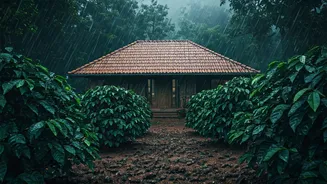
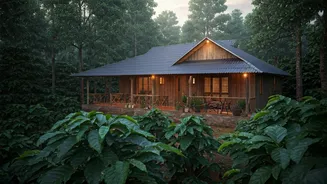
The single best way to experience coffee country is by staying on a plantation. The region is dotted with “homestays,” which range from rustic, family-run cottages to luxurious bungalows with infinity pools overlooking the valleys. This isn’t your standard hotel stay. You’ll wake up to the sound of birdsong, not traffic. The hosts, often planters themselves, will take you on guided “blossom to brew” walks, explaining how the coffee is grown, harvested, and processed. You’ll learn to distinguish an Arabica plant from a Robusta, smell the jasmine-like fragrance of coffee blossoms (if you visit between February and March), and end your tour with a “cupping” session to taste the estate’s final product. Meals are a highlight, often featuring the local Kodava cuisine—hearty, flavorful dishes like pandi curry (pork curry) and akki rotti (rice flatbread) that perfectly complement the cool mountain air.
Beyond the Bean
While coffee is the main event, it’s far from the only attraction. These regions are an outdoor adventurer’s paradise. You can hike to the top of Tadiandamol, Coorg's highest peak, for breathtaking panoramic views. You can visit Abbey Falls or Iruppu Falls, where water cascades down rock faces in the middle of the dense forest. The area is also rich in spices, so many plantations double as spice gardens where you can see cardamom, pepper, and vanilla growing in their natural state. It’s a holistic sensory experience—a trip that engages your sense of taste, smell, and sight in a place that feels a world away from home.