
The Allure of the Moody Landscape
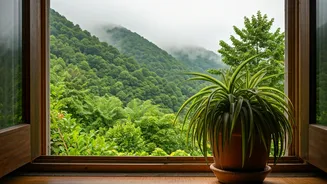
Forget picture-perfect blue skies. The real soul of the Northeast often reveals itself under a blanket of gray. Imagine a Maine harbor where the fog blurs the line between sea and sky, leaving lobster boats to emerge like ghosts. Picture Vermont's Green
Mountains shrouded in mist, their peaks playing hide-and-seek with the clouds. The rain deepens the colors, turning forests a hundred shades of emerald and slicking cobblestone streets in Boston or Portland into reflective, painterly surfaces. The smell of wet pine and damp earth—known as petrichor—is a form of aromatherapy you can only get this way. Instead of a day for wide-open vistas, it becomes a day for intimate, focused beauty. The world shrinks to the cozy circle around you, making every detail—a single red leaf, a stone wall, a lighthouse beam—feel more profound.
An Invitation to Go Indoors
A rainy day is the Northeast’s official permission slip to slow down and indulge in its greatest indoor assets. This isn't a region of mega-malls; it's a haven for the specific and the curated. It’s the perfect excuse to spend three hours in a dusty antique shop in the Berkshires, discovering treasures you didn't know you needed. It's an afternoon lost in the stacks of an independent bookstore like Northshire in Manchester, Vermont, with a warm drink in hand. Many of the region’s best small museums, from the Norman Rockwell Museum in Stockbridge, Massachusetts, to the Shelburne Museum in Vermont, are ideal rainy-day sanctuaries. And, of course, there’s the food. A rainy afternoon practically begs for a bowl of clam chowder in a cozy pub, a farm-to-table meal by a crackling fire, or a tour of one of the region’s many craft breweries.
The Non-Negotiable Gear List
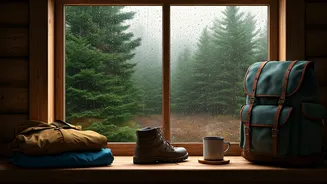
Here’s the “demanding” part: the dreaminess evaporates quickly if you’re cold and wet. Enjoying a rainy Northeast requires preparation, not stoicism. The key isn't a bulky, disposable poncho; it's smart layering. Start with a truly waterproof (not just water-resistant) rain jacket with a hood. This is your single most important piece of gear. Beneath it, wear layers you can add or remove, like a fleece or a wool sweater—avoid cotton, which stays wet and cold. Footwear is equally critical. Waterproof boots with good traction are essential, whether you’re navigating slick city sidewalks or muddy hiking trails. Nothing ruins a day faster than soaked socks. Pack extra pairs of wool socks, which stay warm even when damp. A sturdy umbrella is fine for town, but for anything more adventurous, a good hooded jacket is far more practical.
Navigating Wet Roads and Trails
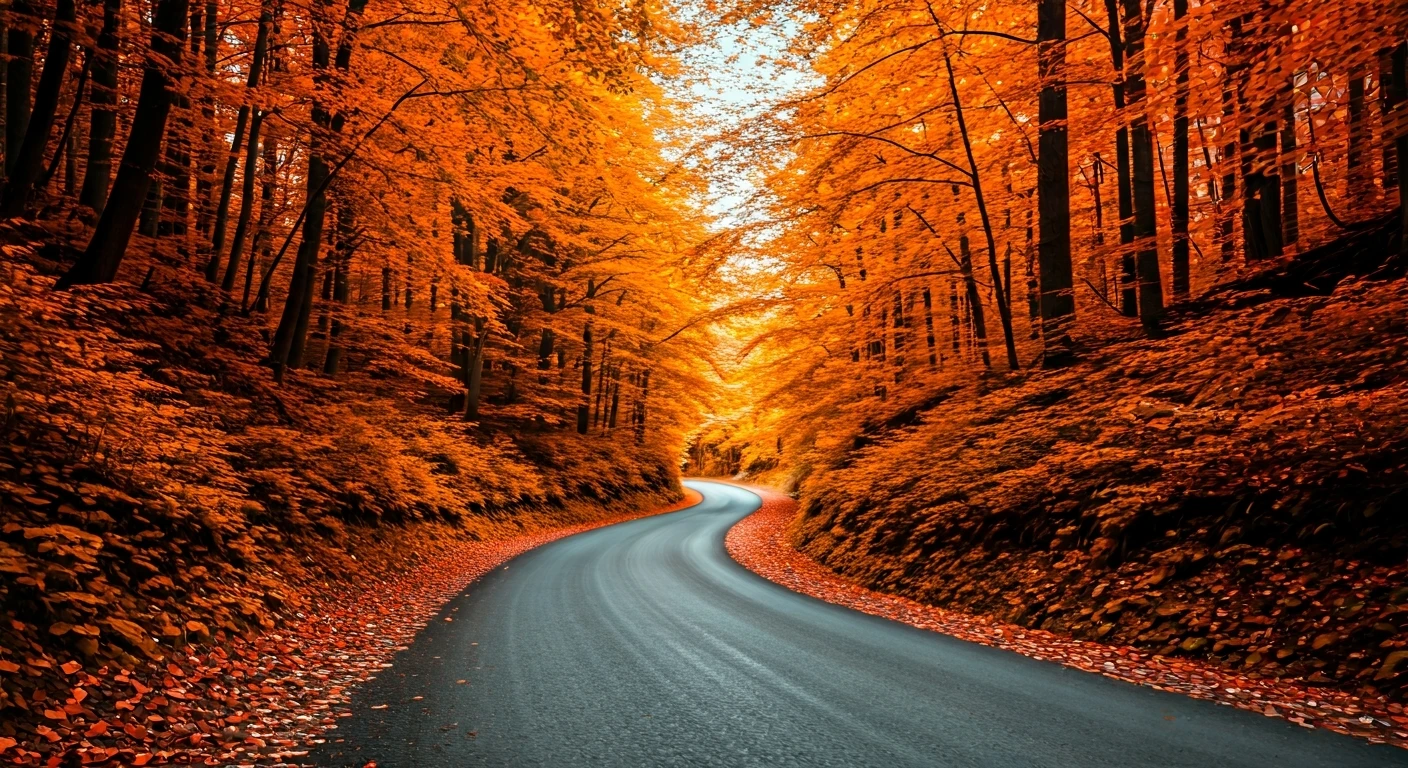
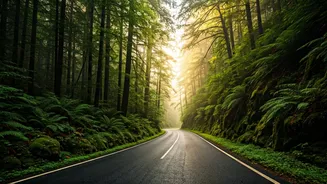
The challenges extend to getting around. The Northeast’s charming, winding country roads can become treacherous when wet. Leaf-strewn asphalt gets dangerously slick, visibility can drop suddenly in fog or a downpour, and you should always build extra time into your driving schedule. Don't tailgate, and be especially cautious of deer, which are more active at dawn and dusk, rain or shine. If you plan to hike, be realistic. That challenging mountain summit might be a bad idea in the rain, with slippery rocks and zero visibility at the top. Opt for lower-elevation forest walks, waterfall trails (which are often at their best after rain), or coastal paths. Always check trail conditions before you go; local ranger stations or hiking apps like AllTrails often have recent updates on washouts or muddy sections. The goal is a beautiful, moody walk, not a dangerous ordeal.