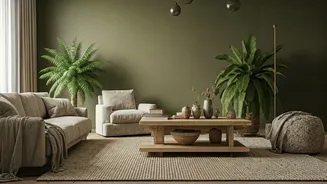



1. Embrace an Earthy Color Palette
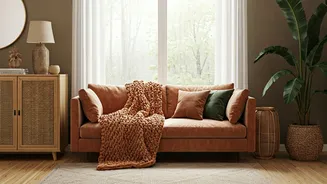
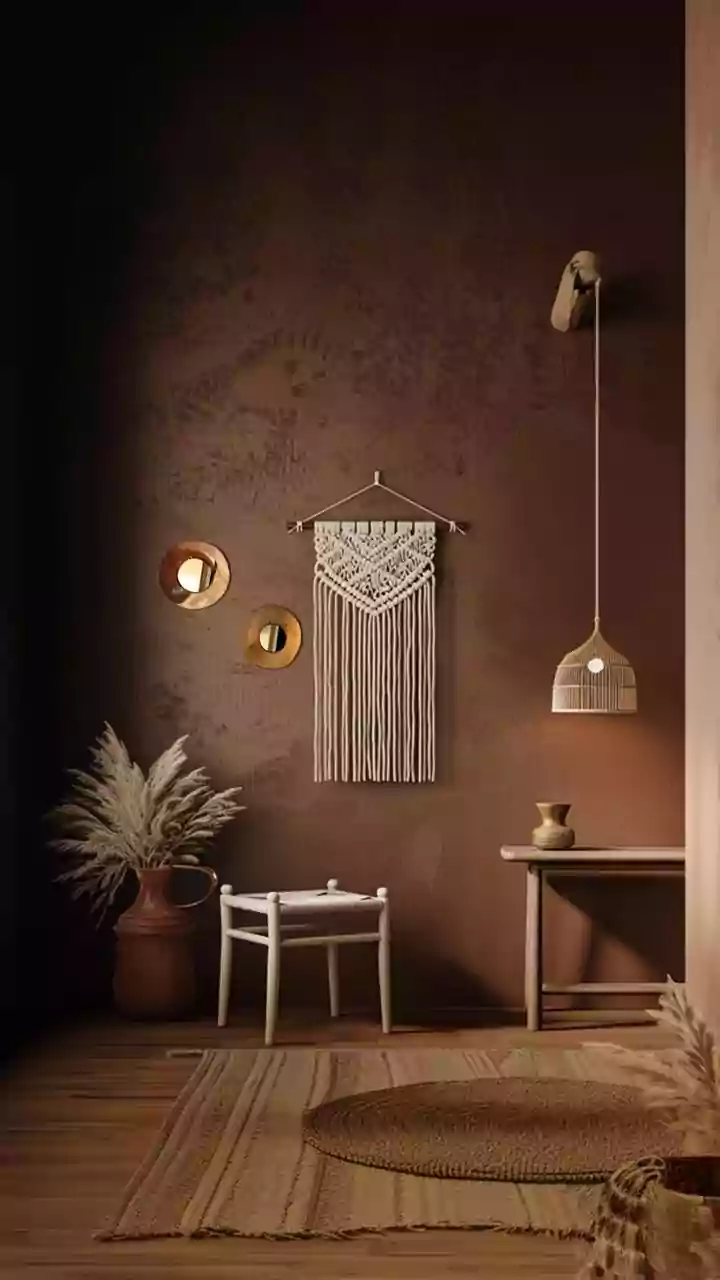
Step away from cool grays and sterile whites. The foundation of an earth-inspired interior is its color scheme, drawn directly from the natural world. Think of the warm, muted tones of a desert landscape at sunset, a dense forest floor, or a windswept
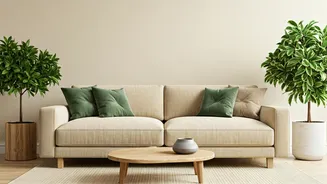
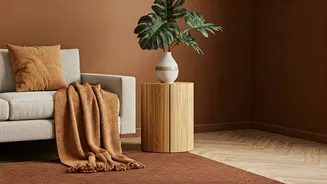
coastline. This means embracing rich terracottas, soft sage greens, sandy beiges, and deep, grounding browns. These colors are inherently calming and create a welcoming, nurturing atmosphere. You don't have to repaint your entire house to start. Begin with a feature wall in a warm ocher or swap out bright throw pillows for ones in olive green or rust. The goal is to create a backdrop that feels organic and soothing, a direct contrast to the often-chaotic digital world outside.
2. Layer on Natural Materials and Textures
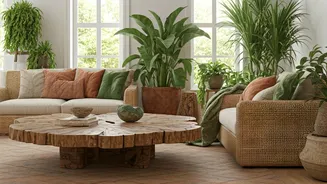
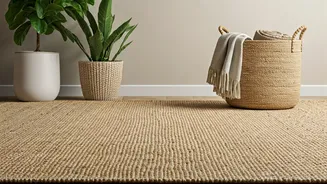
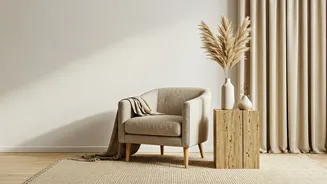
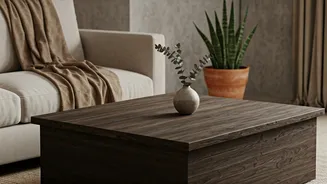
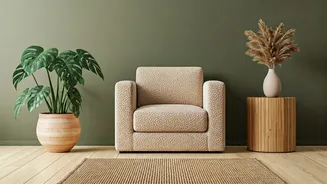
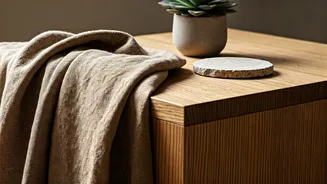
This trend is as much about touch as it is about sight. Texture adds depth, interest, and a crucial sense of coziness. Look for opportunities to incorporate materials that feel raw, honest, and unprocessed. Think solid wood furniture (especially pieces that highlight the grain), rattan or wicker chairs, and jute or sisal rugs that feel wonderful underfoot. For textiles, prioritize natural fibers like linen, cotton, and wool. A chunky wool blanket draped over a sofa, linen curtains that gently filter light, and a variety of cushions in different weaves can transform a room from flat to dynamic. These materials not only look beautiful but also connect us to the natural world in a tangible way.
3. Welcome the Outside In
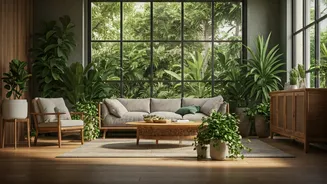
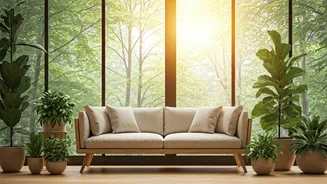
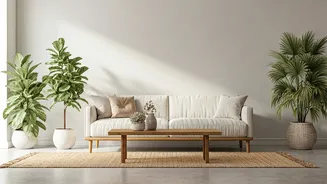
At its heart, this style is a form of biophilic design—the practice of connecting people and nature within our built environments. The most direct way to do this is by incorporating plants. And not just a single, sad succulent on a windowsill. Think bigger: a statement fiddle-leaf fig in a corner, trailing pothos on a bookshelf, or a collection of smaller plants grouped together. Beyond greenery, maximize natural light wherever possible by keeping window treatments light and airy. Arrangements of dried branches, a bowl of river stones, or even nature-inspired art can also serve as powerful reminders of the world outside your walls, fostering a sense of peace and reducing stress.
4. Celebrate Imperfect, Organic Shapes
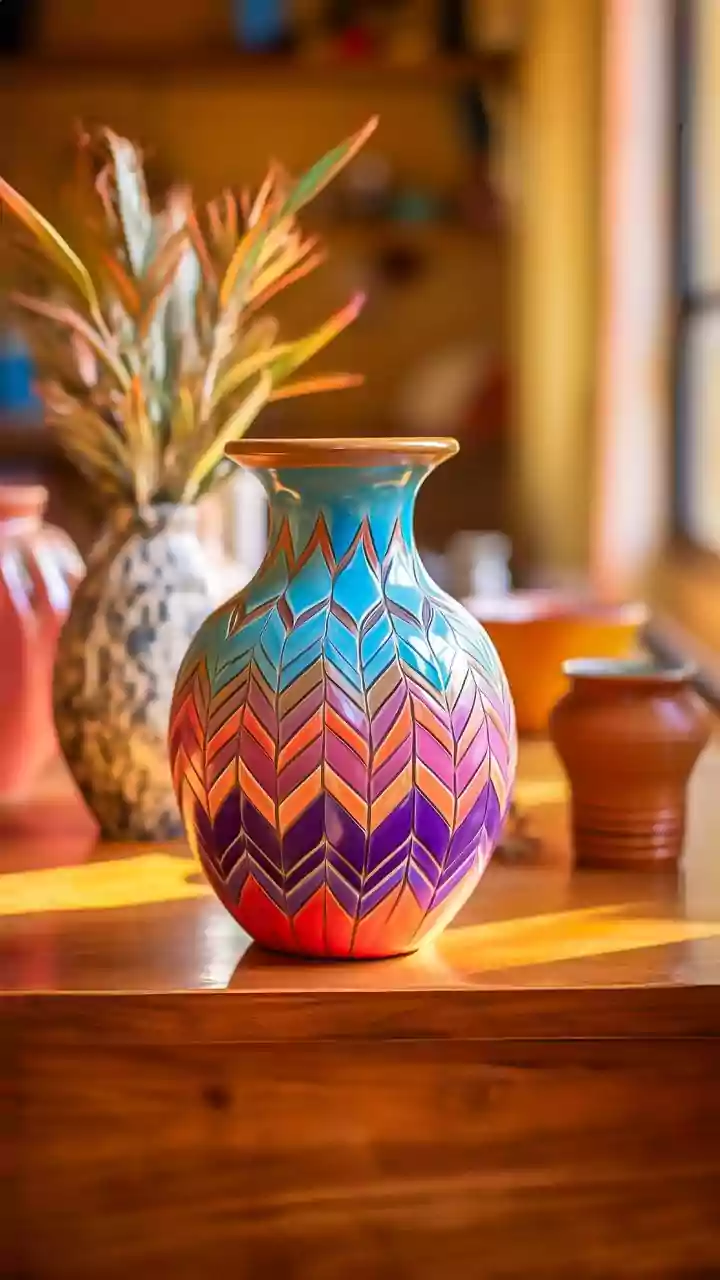
Nature rarely deals in perfectly straight lines and sharp angles. Earth-inspired interiors reflect this by favoring soft curves and imperfect, organic forms. This can be seen in the rise of curved sofas, round coffee tables, and arched doorways or mirrors. Look for decor that feels handmade and unique rather than mass-produced and flawless. This includes hand-thrown ceramic vases, live-edge wood tables that follow the natural contour of the tree, and even slightly misshapen, handcrafted bowls. These imperfect pieces add character, soul, and a human touch to a space, making it feel lived-in and authentic rather than like a sterile showroom.
5. Focus on Sustainable and Artisan Choices
This aesthetic shift is often tied to a deeper lifestyle choice: a desire for more mindful consumption. The emphasis on natural materials often goes hand-in-hand with a preference for sustainable, reclaimed, or vintage items. Instead of buying a new, cheaply made piece of furniture, the ethos encourages seeking out a well-crafted vintage dresser or investing in a table from a local woodworker. This not only reduces your environmental footprint but also fills your home with objects that have a story. Supporting artisans and small businesses that create unique, handcrafted goods aligns perfectly with the style’s celebration of authenticity and imperfection.