

The Peak of Culinary Complexity
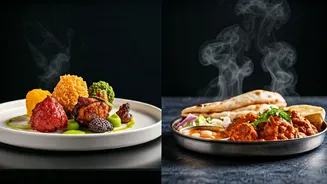
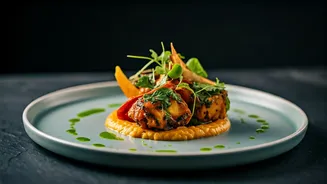
Remember the 2010s? It was the golden age of the 'foodie' as a personality type. Restaurant tasting menus stretched for hours, featuring gels, spherified olives, and dishes deconstructed to the point of being unrecognizable. At home, the pressure was on to replicate
this ambition. Sourdough starters were nurtured like pets, home kitchens looked like science labs, and recipes from glossy magazines often required a full weekend and a trip to three specialty stores. This was the era of the 'fancy experiment,' a time when culinary worth was often measured by difficulty, obscurity, and a high price tag, both in time and money. The goal wasn't just to eat, but to perform culinary mastery, to post the impressive photo, to prove you were part of the gastronomic in-crowd.
A Return to Comfort and Speed
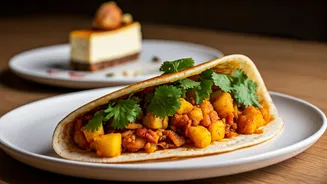
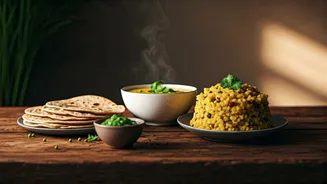
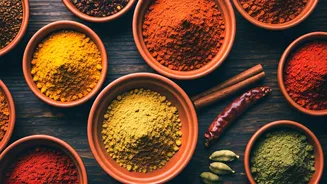
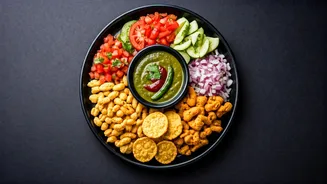
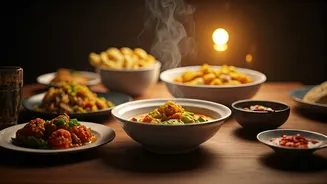
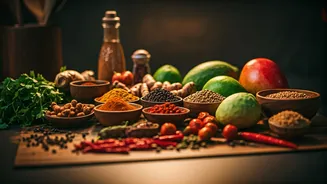
Then, the world changed. The pandemic, economic anxieties, and a collective sense of burnout created a powerful craving for something else: comfort. And in the world of food, comfort often means simplicity, warmth, and flavor that doesn't demand a Herculean effort. Enter the 'quick Indian meal.' We're not just talking about the heavy, cream-laden curries of the old-school takeout joint. We're talking about the food that millions in India eat every day: a fragrant tadka dal that comes together in 20 minutes, a simple sabzi (vegetable stir-fry) with a handful of spices, or a pot of nourishing khichdi. These dishes deliver an astonishing depth of flavor—savory, sour, spicy, sweet—from a pantry of affordable staples like lentils, rice, onions, and a well-stocked spice tin. The 'return on investment' for 30 minutes of cooking is exponentially higher than for most Western dishes, and the result is deeply satisfying on a primal level.
The New Definition of 'Weeknight Dinner'
This shift isn't just happening in home kitchens. The fast-casual restaurant scene is exploding with concepts that prove Indian food can be quick, healthy, and accessible. Chains and local spots are offering build-your-own-bowl models with fresh ingredients, moving past the buffet stereotype and into the modern lunch rush. For busy Americans, the choice between a bland salad and a vibrant, spiced chickpea bowl is an easy one. Furthermore, a new generation of Indian-American food writers and influencers, like Priya Krishna with her bestselling book 'Indian-ish,' has demystified the cuisine. They've given a generation of cooks permission to adapt recipes, use an Instant Pot, and embrace the practical, everyday magic of Indian cooking without being intimidated by notions of 'authenticity.'
Why Flavor Is Winning
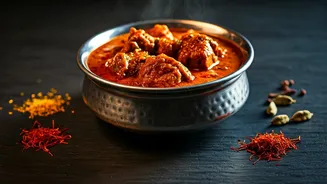
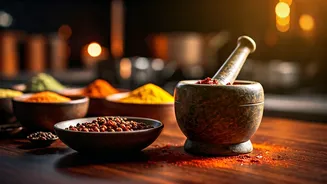
Ultimately, the trend is about a re-evaluation of what 'good food' means. It’s a move away from performative complexity and toward tangible results. A fancy experiment might be interesting once, but a perfectly tempered dal or a quick chicken curry can become a beloved part of a weekly rotation. The techniques of Indian cooking—like blooming spices in hot oil (the tadka or tarka)—are simple yet transformative, creating layers of flavor in minutes. This is where the 'fancy experiments' lose. They often require specialized equipment and hours of passive time for a subtle result. A quick Indian meal, on the other hand, provides a powerful, direct, and immediate flavor experience using basic pots and pans. It's a democratic form of deliciousness, available to anyone with a spice rack and half an hour to spare.