

The Tyranny of the Viral Recipe
For years, the dominant language of online food has been visual perfection. Think of the endless scroll: the perfectly symmetrical avocado toast, the mesmerizing cheese pull, the slow-motion honey drizzle. Content was optimized for the algorithm, not
for the soul. This era gave us viral, but often contextless, sensations like baked feta pasta, cloud bread, and Dalgona coffee. They were fun, fleeting, and highly shareable, but they often lacked a crucial ingredient: a story. These recipes existed in a frictionless, placeless void. They could have been made anywhere, by anyone. The focus was on aesthetics and novelty, creating a globalized, homogenized digital cuisine where a dish’s value was measured in likes and shares, not in its connection to a place, a person, or a history. While visually satisfying, this trend flattened the rich, textured landscape of food culture into a glossy, two-dimensional image. It was food as a design object, not a cultural artifact.
A Return to Place and People
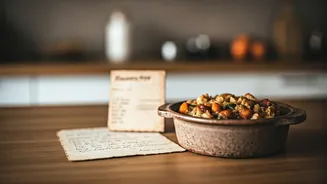
Now, a quiet but powerful shift is underway. Across TikTok, Instagram, and YouTube, a new wave of creators is rejecting the aesthetic-first playbook. Instead of chasing the next viral craze, they are looking backward—to their grandparents' kitchens, their regional heritage, and the dishes that tell the story of where they come from. This is the rise of regional cooking, not as a dusty, academic subject, but as a living, breathing practice. You see it in creators showcasing the specific nuances of Appalachian cooking, using foraged ingredients and century-old techniques. You find it in videos celebrating the rich, complex flavors of Gullah Geechee cuisine from the coastal Southeast, or the Sonoran traditions of the Southwest. These aren't just recipes; they're acts of cultural preservation. The focus isn't on a perfect, studio-lit shot but on the process: the worn-in cast-iron skillet, the hands of a grandmother kneading dough, the story behind why a certain spice is used. It’s food with a sense of place.
Why Now? The Search for Authenticity
This movement isn’t happening in a vacuum. It’s a direct response to years of curated, often unattainable, online perfection. In a world that feels increasingly disconnected, there's a deep hunger for authenticity and genuine connection. Regional cooking provides a powerful antidote to the generic content mill. It offers a tangible link to history and identity at a time when both feel fragile. The pandemic also played a role, pushing people into their own kitchens and sparking a renewed interest in family history and heritage. With travel restricted, exploring the culinary traditions of our own backyards—or our own family trees—became a meaningful way to connect with the world. Social media algorithms, once geared toward rewarding broad, viral content, have also evolved. Platforms like TikTok have proven surprisingly effective at elevating niche creators, allowing hyper-specific content, like how to make a proper Detroit-style pizza or a traditional New England johnnycake, to find a passionate audience.
More Than Just a Meal
The beauty of this trend is that it re-centers food as a vessel for culture. When a creator shares a recipe for their family’s cioppino, they’re not just sharing a list of ingredients. They’re sharing a story of Italian-American immigration in San Francisco, of fishermen making something beautiful from the day’s leftover catch. When someone demonstrates how to make frybread, they are opening a window into Native American history, resilience, and community. This approach enriches both the creator and the viewer. It moves the conversation beyond “Is it tasty?” to “What does it mean?” It celebrates the incredible diversity of American cuisine, which is not a single monolith but a vibrant tapestry woven from countless regional and immigrant traditions. It reminds us that the most memorable meals are rarely the ones that look the most perfect on camera; they are the ones that are steeped in love, history, and a sense of belonging.