




The New Urban Health Quest
For generations, the Indian diet was built on a foundation of lentils, vegetables, and whole grains. But as India’s economy boomed, a growing urban middle class saw its diet shift. Increased prosperity and exposure to Western lifestyles led to a greater
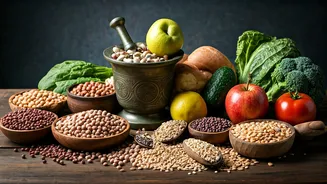
consumption of processed foods, refined flours, and sugar-laden snacks. The result was a rise in lifestyle diseases like diabetes and heart disease, creating a public health challenge that a new generation is now tackling head-on. Today, a powerful counter-movement is underway. Driven by a tech-savvy, globally-aware urban population, the conversation around food is shifting from mere sustenance to a tool for proactive wellness. This isn't just about weight loss; it's a holistic approach to health that starts on the plate. And at the center of this new philosophy is a renewed appreciation for one of food's most essential, if unglamorous, components: fiber.
Rediscovering Ancient Grains
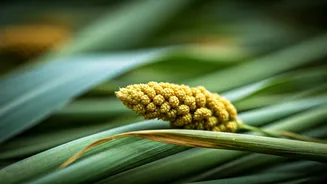
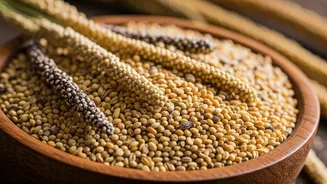
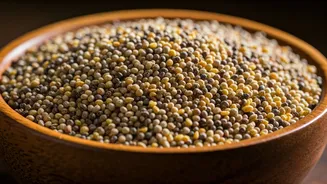
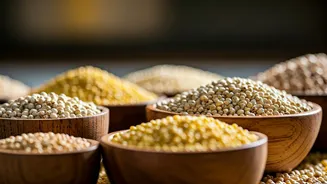
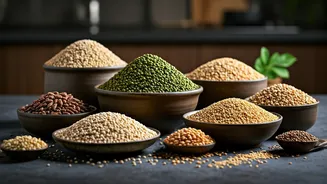
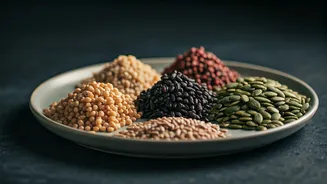
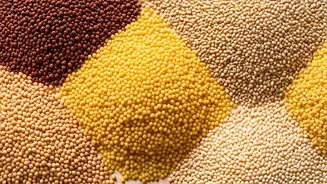
The most visible sign of this trend is the triumphant return of millets. Grains like ragi (finger millet), jowar (sorghum), and bajra (pearl millet) were once staples across the subcontinent. Rich in fiber, protein, and micronutrients, they were perfectly adapted to India's climate. However, for decades they were stigmatized as “poor man’s food,” pushed aside by the government-subsidized dominance of refined wheat and rice. Now, these ancient grains are being rebranded as superfoods. Health-conscious consumers are seeking out millet-based versions of everything from breakfast porridge and dosa batters to pasta and bread. Hip cafes in Mumbai and Bangalore offer ragi pancakes and jowar-crust pizzas. Packaged food companies, smelling a massive opportunity, are launching millet-based cereals, cookies, and noodles, positioning them as a healthier, gluten-free alternative to traditional staples.
From Medicine Cabinet to Pantry
Another key player in this story is psyllium husk, known locally as Isabgol. For decades, this plant-based fiber was relegated to the medicine cabinet, a gentle laxative recommended by grandmothers. It was a remedy, not an ingredient. That is rapidly changing. Inspired by the global wellness trend of adding fiber to everything, Indians are now incorporating psyllium husk directly into their cooking. It’s being mixed into atta (whole wheat flour) to make fiber-rich rotis, blended into smoothies for a gut-friendly boost, and used as a thickening agent in recipes. What was once a purely functional, medicinal product has been reborn as a versatile wellness ingredient, bridging the gap between traditional wisdom and modern nutritional science.
A Uniquely Indian Movement
While the focus on fiber and gut health might seem like a simple import of Western wellness trends, the Indian movement is distinct. It’s less about buying expensive, imported supplements and more about looking inward. This is a story of decolonizing the plate, of reclaiming agricultural heritage and celebrating indigenous ingredients that were long overlooked. Social media influencers, nutritionists, and celebrity chefs are leading the charge, sharing recipes and extolling the virtues of local, seasonal, and fiber-rich foods. The Indian government has also thrown its weight behind the trend, promoting 2023 as the “International Year of Millets” to boost production and consumption. It's a rare moment where consumer demand, national pride, and government policy are all aligned, creating a powerful engine for dietary change.