
From Secret Recipes to Viral Videos
For generations of Indian-Americans, family recipes were a closely guarded secret. Measurements were given in approximations—a pinch of this, a handful of that—and techniques were learned by watching over a mother or grandmother’s shoulder. The process
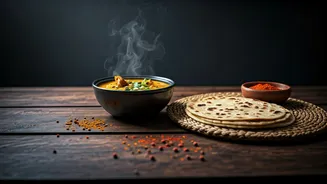
was intuitive, intimate, and notoriously difficult to document. But for Gen Z, the kitchen classroom has gone digital. A generation fluent in the language of algorithms and aesthetics is turning to social media to learn, document, and share the art of Indian home cooking. Platforms like TikTok and Instagram are now bustling archives of diasporic culinary knowledge. Here, a complex curry is broken down into a 60-second, ASMR-style video, and the intimidating process of making perfectly round rotis becomes an approachable tutorial complete with on-screen text and trending audio. These digital lessons are demystifying dishes that once felt out of reach, making them accessible to a generation that may not have had the chance to learn them firsthand.
A Hunger for Heritage
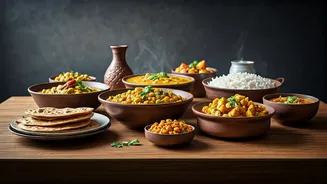
This trend is about far more than just what’s for dinner. For many second- and third-generation Indian-Americans, cooking has become a primary vehicle for connecting with their roots. Growing up, they may have navigated the complexities of a dual identity, sometimes feeling not quite “Indian enough” or fully “American.” They may not speak their ancestral language fluently or have deep ties to their parents' hometowns. But food is a universal language, a sensory link to family history and cultural identity. Learning to cook the dal they grew up eating or mastering their family’s biryani recipe is an act of reclamation. It’s a way to forge a tangible connection to a heritage that can sometimes feel abstract. In a world of fleeting digital trends, the comforting, aromatic flavors of home provide a powerful anchor to something real and lasting. Each successfully recreated dish becomes a quiet declaration of identity.
The Pandemic's Kitchen Classroom
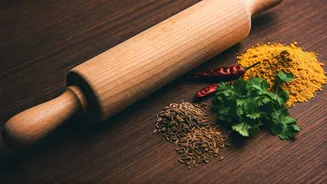
While this cultural shift was already simmering, the COVID-19 pandemic brought it to a boil. Confined to their homes, with restaurants closed and social lives on pause, millions of young Americans turned to the kitchen for comfort, creativity, and sustenance. For Gen Z members of the Indian diaspora, this period of isolation became an opportunity. Many moved back in with their parents, creating a unique, if sometimes stressful, environment for intergenerational knowledge transfer. Suddenly, there was time to finally ask their mom for the real rajma recipe or to stand beside their dad and learn the secrets to a perfect tadka (tempered spices). Those living alone used the time to experiment, turning to online creators for guidance. The pandemic didn't create the desire to connect with heritage through food, but it provided the time, space, and motivation to finally act on it, transforming kitchens across the country into personal culinary schools.
Redefining 'Authenticity'
Importantly, this new wave of home cooking isn't about dogmatic adherence to tradition. Gen Z creators and home cooks are not just preserving recipes; they are adapting and evolving them. This is the era of “Indian-ish” cooking, a term popularized by author Priya Krishna. It’s about practicality and personal expression. It means using an Instant Pot to speed up a dal that once took hours, substituting kale for a hard-to-find Indian green, or creating a paneer tikka pizza. This approach rejects the rigid, often weaponized, concept of “authenticity.” Instead, it celebrates the reality of diasporic life: a fluid, hybrid identity. By sharing their simplified techniques, ingredient swaps, and unique fusions, these young cooks are making Indian cuisine their own. They are showing that heritage isn't a static artifact to be preserved under glass, but a living, breathing tradition that can be remixed for a new generation in a new country.