



A Front-Row Seat to the Gods
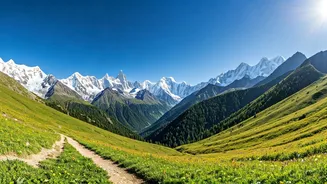
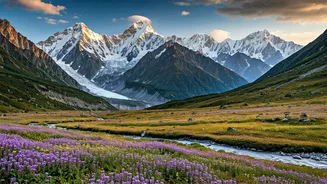
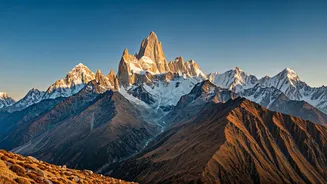
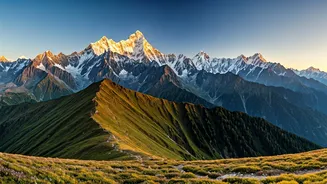
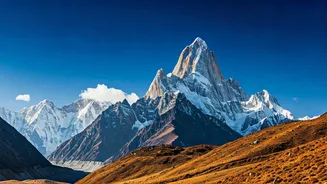
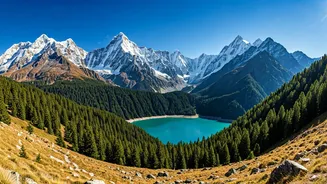
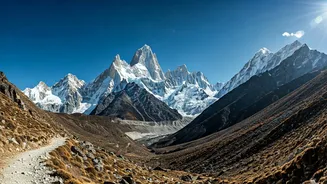
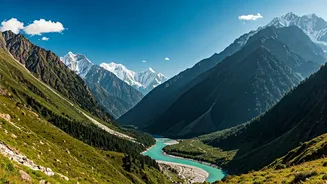
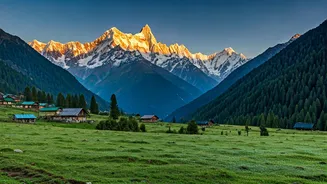
The first thing you notice in Munsiyari isn't a landmark or a market—it's the silence, punctuated by the sheer, overwhelming presence of the Panchachuli peaks. This cluster of five Himalayan giants, fabled to be the final cooking hearths of the Pandavas
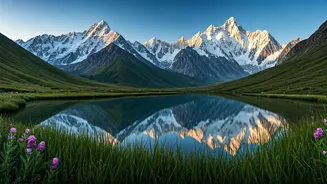
from the epic Mahabharata, dominates the skyline. Unlike other mountain towns where peaks are a distant suggestion, here they form a breathtaking, panoramic wall. Waking up in Munsiyari means pulling back the curtains to a live painting of rock and ice catching the day’s first golden light. The view isn't just a backdrop; it’s an active participant in your day, a constant, humbling reminder of nature’s scale. This isn’t the gentle, rolling scenery of a typical hill retreat. It’s a raw, elemental throne room, and you’ve been granted an audience.
The Journey Is Part of the Destination
Munsiyari’s magic is protected by its remoteness. Located in the far-flung Kumaon region of Uttarakhand, close to the borders of Tibet and Nepal, getting here is a commitment. It’s a long, winding, and often rugged drive from the nearest railheads and airports. This journey weeds out the casual tourist looking for an easy weekend. Those who arrive have earned it. The isolation preserves an authenticity that has been scrubbed clean from more accessible destinations. There are no sprawling luxury hotel chains or noisy tourist traps. Instead, you'll find family-run guesthouses, cozy homestays, and a pace of life dictated by the seasons, not by tourist itineraries. This isn't an inconvenience; it’s a filter. Munsiyari is for travelers, not tourists—for those who believe the best places are found at the end of the road, not along the highway.
A Gateway to a Lost World
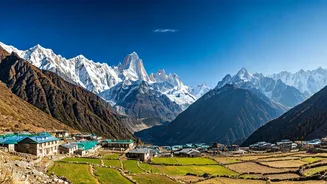
For centuries, Munsiyari was a bustling hub on the salt route, a vital trade corridor connecting India with Tibet. The local Bhotia people, with their rich history as merchants and mountaineers, are the keepers of this legacy. Their culture and stories are woven into the fabric of the town. You can see it in the architecture of villages like Darkot, known for its intricately carved wooden doors and windows, and hear it in the tales of a time when mule trains laden with salt and wool navigated these treacherous passes. The closing of the Tibetan border in the 1960s transformed Munsiyari from a trade hub into a quiet frontier town. But that history lingers, giving the place a profound sense of character. It’s a living museum, a place where you can feel the echoes of a lost world of cross-border trade and adventure.
Adventure Beyond the Balcony View
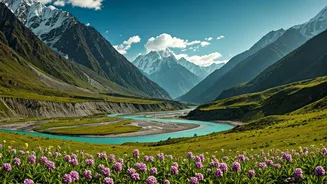
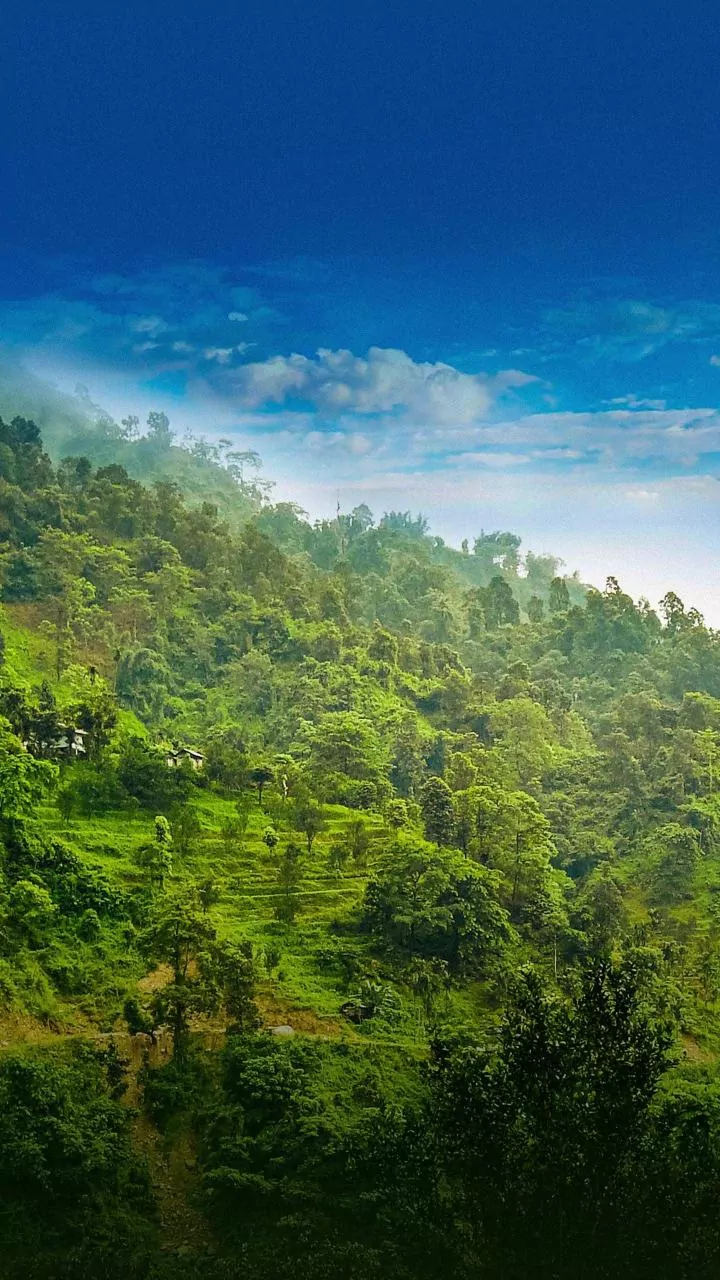
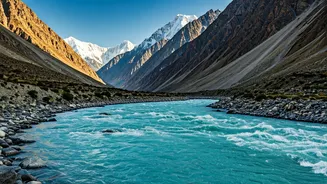
While the views from your guesthouse balcony are stunning, Munsiyari is fundamentally a basecamp for adventure. It's the starting point for some of the Himalayas' most revered treks. For serious mountaineers and trekkers, this is the gateway to the Milam and Ralam Glaciers and the Nanda Devi Base Camp. These multi-day expeditions take you deep into the high-altitude wilderness, far from any sign of civilization. But you don’t have to be a hardcore alpinist to experience the thrill. A short but steep hike to Khaliya Top offers a 360-degree spectacle of the Panchachuli, Rajrambha, and Nanda Devi peaks. The area is also a paradise for birdwatchers, with Himalayan monals and other rare species flitting through the rhododendron forests. In Munsiyari, the mountains aren't just for looking at; they’re for exploring.