








Think of Your Scalp as a Garden
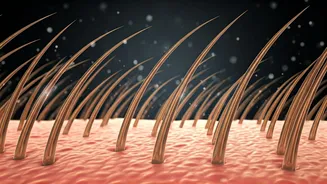
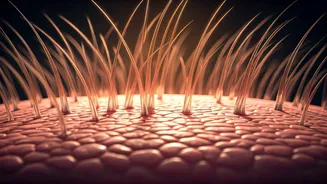
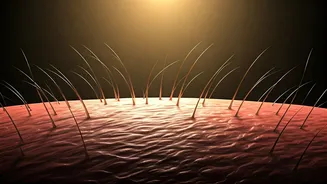
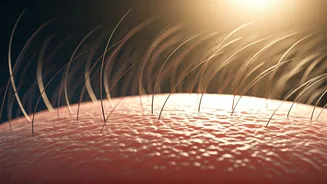
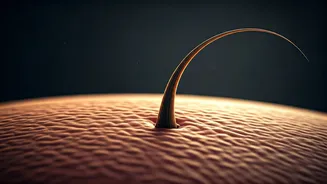
The most effective way to understand hair health is to stop thinking about hair as an independent fiber and start thinking of the scalp as a garden. Your hair follicles are the seeds, and your scalp is the soil. If the soil is nutrient-poor, clogged,
or inflamed, you can't expect to grow vibrant, healthy plants. In the same way, if your scalp is unhealthy, it simply cannot produce strong, resilient, shiny hair. The strand of hair you see is technically dead tissue; the living, growing part is happening beneath the surface. All the issues we see—breakage, slow growth, dullness, and even some types of hair loss—are often symptoms of a problem that started at the root.
The Invisible Issue: Product Buildup
One of the most common culprits of scalp distress is buildup. Over time, a mixture of styling products (like dry shampoo and hairspray), natural oils (sebum), and dead skin cells can form a stubborn layer on the scalp. This accumulation does more than just make your hair feel greasy or weighed down. It can physically block hair follicles, which may impede hair growth and lead to finer, weaker strands emerging. Furthermore, this buildup can disrupt the scalp's natural microbiome, creating an environment where inflammation and irritation can thrive. If your hair feels perpetually flat at the roots or your scalp feels itchy and congested, you’re likely dealing with buildup.
Inflammation: The Silent Follicle Foe
Scalp inflammation is a major, often invisible, source of hair problems. It can be caused by a variety of factors, including allergic reactions to hair products, sunburn, stress, or skin conditions like dandruff or psoriasis. When the scalp is inflamed, the body’s immune response can inadvertently damage the hair follicles. This chronic, low-grade inflammation, sometimes called 'inflammaging,' creates a stressful environment that can shorten the hair's growth phase and push it into the shedding phase prematurely. The result is often increased hair fall and strands that are weaker and more prone to breaking because their foundation was compromised from the very beginning.
Poor Circulation and Nutrient Delivery
Just like any other part of your body, your hair follicles rely on a steady supply of oxygen and nutrients delivered via your bloodstream. When circulation to the scalp is poor, this vital delivery system is compromised. What hinders circulation? Chronic tension in the neck and scalp muscles (often from stress), lack of physical stimulation, and general cardiovascular health can all play a role. Without adequate blood flow, follicles are essentially starved of the building blocks they need—like biotin, iron, and zinc—to construct strong hair. This can lead to slower growth and hair that appears dull and weak simply because it wasn't well-fed during its formation.
How to Reset Your Scalp Health
The good news is that scalp care doesn't have to be complicated. The first step is to treat it like skin. Incorporate a clarifying shampoo or a scalp scrub into your routine once a week to gently exfoliate and remove buildup. Be sure to read ingredient labels and avoid harsh sulfates if you have a sensitive scalp. Second, give yourself a scalp massage. While shampooing, use your fingertips (not your nails) to apply firm, circular pressure all over your scalp for two to three minutes. This not only helps dislodge buildup but also stimulates blood flow. Finally, protect your scalp from the sun by wearing a hat or using a UV-protectant spray designed for hair and scalp. These simple shifts can create a healthier foundation for the hair you want.