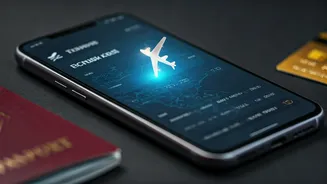








The Old Hassle of Traveling Abroad
For decades, an international trip for an Indian citizen was a financial obstacle course. The process often involved visiting a bank branch days in advance to procure foreign currency, loading a clunky prepaid forex card with exorbitant fees and terrible
exchange rates, or carrying wads of cash. Traditional credit cards came with a punishing 2% to 3.5% foreign transaction markup on every single purchase, from a coffee in Paris to a hotel in Bangkok. Every swipe felt like a small financial penalty for having a global mindset. This friction wasn't just an inconvenience; it was a constant, frustrating reminder of the barriers between their ambitions and the world.
Enter the Zero-Markup Revolution
This is where a new breed of fintech startups, like Niyo, Scapia, and Fi Money, saw a massive opportunity. Their core promise is deceptively simple: a credit or debit card with zero foreign exchange markup. They offer users the real-time Visa or Mastercard exchange rate, completely eliminating the hefty percentage that legacy banks traditionally skimmed off the top. For a generation that grew up online, the value proposition was instantaneous and undeniable. Why pay a bank 3% extra for nothing when a free app could save you hundreds of dollars on a single trip? These apps turned a grudge purchase—forex fees—into a point of savvy consumer choice, and young Indians embraced it ferociously.
It’s an Experience, Not Just a Card
But the obsession goes deeper than just saving money. These apps are designed for the digital-native. Onboarding takes minutes, not days. You can load funds, track spending, and lock your card instantly from your phone. But the real genius is in the ecosystem they’ve built around the core product. Many of these apps bundle coveted travel perks that were once the exclusive domain of ultra-premium, high-fee cards. We’re talking complimentary airport lounge access, travel insurance, and curated experiences. The card is no longer just a payment tool; it's a status symbol and a travel companion. Pulling out a sleek, minimalist Scapia or Niyo card at a cafe in Lisbon signals that you're not just a tourist—you're a smart, modern global citizen who knows how the system works.
A Generation Going Global
This fintech boom is inseparable from a larger cultural shift. For India’s millennials and Gen Z with disposable income, international travel is no longer a once-in-a-lifetime luxury; it’s an essential part of their lifestyle. Fueled by rising incomes, remote work flexibility, and a worldview shaped by Instagram and global media, they are exploring the world at an unprecedented rate. They expect seamless, digital-first solutions in every aspect of their lives, from ordering food to booking flights. The old banking system, with its paperwork, hidden fees, and analog processes, feels laughably outdated. These travel fintech apps aren't just a better option; they are the *only* option that speaks their language and moves at their speed.